
Blogs & Events
Wheelchair for Muscular Dystrophy: Seating and Positioning Needs by Stage
Does your wheelchair still support the way your body works today? With muscular dystrophy, weakness can move from the legs into the trunk, shoulders, arms, neck, or hands. A chair that worked well last year may start causing fatigue, leaning, pressure, or poor reach.
Choosing a wheelchair for muscular dystrophy therefore needs more than a width measurement. You need to review pelvic position, trunk control, head support, transfers, pressure care, driving access, and daily travel. Good muscular dystrophy mobility support should follow functional change. It should also allow progressive seating adjustment when strength reduces or sitting time increases.
How Seating Needs Change as Muscular Dystrophy Progresses
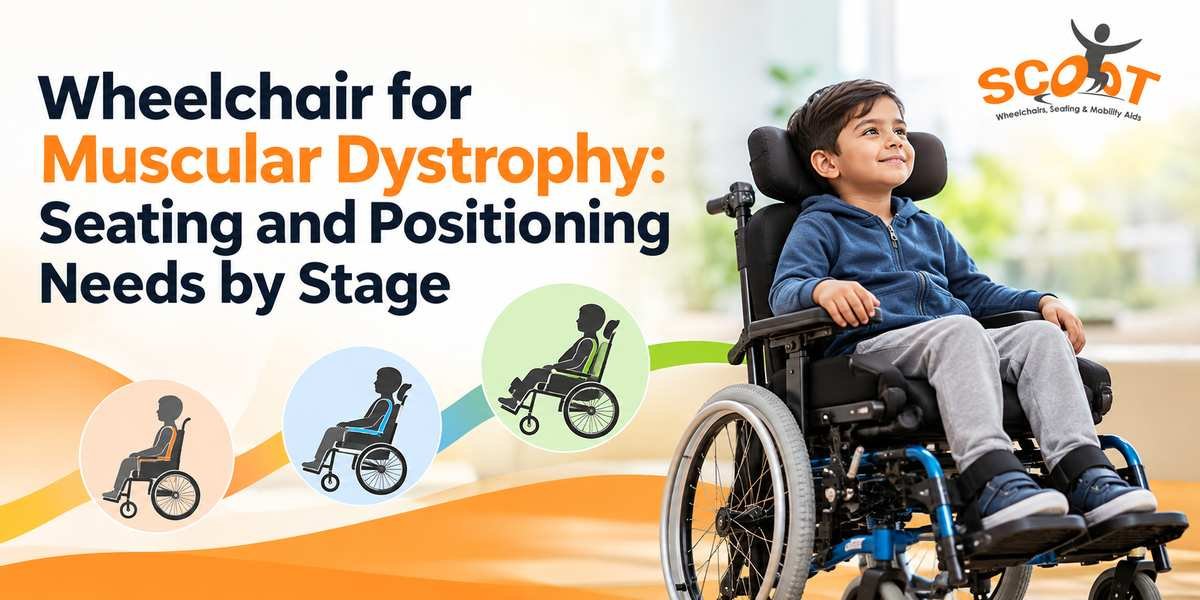
Muscular dystrophy does not follow one seating pattern. Some users walk indoors but need wheeled mobility outside. Others depend on a chair for most activity. So, assessment should focus on current function and likely change.
The aim is to support useful movement without making weak muscles work harder. Clinicians can then plan a wheelchair for a degenerative condition around posture, pressure, transfers, and future fitting.
Early Stage: Save Energy and Keep Useful Movement
During the earlier stage, many users still transfer or walk short distances. Longer outings, however, may drain leg strength. A wheelchair for muscular dystrophy can help preserve energy for school, work, appointments, or family activity.
At this point, seating should support without over-restricting movement. Check seat depth, foot placement, cushion shape, and back height. For MD posture support, the pelvis needs a stable base while the shoulders stay free for reaching.
Also check the chair inside cars, lifts, classrooms, and narrow home passages.
Middle Stage: Add Support as Sitting Time Increases
As walking becomes harder, wheelchair use may extend across the day. Then small fitting errors create larger problems. A tilted pelvis can pull the trunk sideways. Poor foot support can change thigh position. A low backrest can increase trunk effort.
This stage often needs custom seating for muscular dystrophy planning. Clinicians may review cushion contour, pelvic belt angle, backrest shape, and lateral support. They should also test breathing, reaching, and transfers.
Do not correct every lean with a larger pad. First find whether the pelvis, spine, rib cage, or fatigue pattern drives it.
Later Stage: Support the Trunk, Head, and Upper Limbs
Later-stage weakness may reduce the ability to return upright after leaning. Therefore, the seating system may need higher trunk support, closer lateral pads, a headrest, and better arm positioning.
Here, progressive seating adjustment becomes important. A shaped backrest can support the trunk. Lateral pads can guide the rib cage. A headrest can help during rest periods. Arm supports may reduce shoulder load during joystick use.
SCOOT explains these fitting choices in its guide to wheelchair backrests and lateral trunk supports, especially when a user starts leaning or losing upright control.
Tilt and Recline: Change Position With Less Physical Effort
Tilt-in-space changes the whole seating angle while keeping the hip angle more stable. Recline changes the angle between the seat and back. A clinician should choose between them after checking posture, pressure, rest, and transfers.
A wheelchair for muscular dystrophy may need powered tilt when the user cannot complete pressure shifts without help. Recline may support rest or position changes within a planned seating programme.
A 2026 study involving wheelchair users with muscular dystrophy found that lower-back pain dropped by 4.5 points, with a 95% CI of −6.8 to −2.2 and p=0.002. The study tested assisted cycling, not seating. Still, pain should prompt a seating review.
Pressure Care: Protect Skin During Longer Sitting Hours
Long sitting hours change pressure risk. Weak muscles may limit self-repositioning, so cushion choice should account for body shape, skin history, sitting time, and transfers.
Pressure relief and posture should work together. If one side of the pelvis sinks, the trunk may follow, changing head position and arm control.
The same 2026 study found that 6 of 10 participants, or 60%, with constipation recorded lower constipation scores after assisted cycling. The result relates to exercise, not seating. Still, clinicians should review movement, comfort, and daily routine when mobility reduces.
Driving Controls: Use the Strongest Repeatable Movement
Hand weakness can make a standard joystick harder to use. First test reach, finger force, wrist angle, and shoulder endurance. Then consider a low-force joystick or another control if standard driving causes strain.
Head arrays, chin controls, switches, and sip-and-puff systems may fit different movement patterns. Seating stability comes first because a moving pelvis or unsupported trunk can reduce driving accuracy.
For more detail, SCOOT explains wheelchair drive controls for weak hands, including low-force joysticks, head controls, and sip-and-puff systems.
Seating Features That Support Daily Comfort
The seating system should work as one unit. A cushion affects the pelvis, the pelvis affects the trunk, and trunk position affects head and arm use. So, changing one component may require another fitting check.
Seating Feature | Main Job | Check During Fitting |
Backrest | Supports trunk and spinal position | Height, contour, shoulder movement |
Headrest | Supports head during rest | Contact point, angle, transfer access |
Lateral supports | Guides side leaning | Pad height, pressure, breathing room |
Cushion | Supports pelvis and pressure distribution | Contour, stability, skin history |
Leg and foot supports | Guides lower-limb position | Knee angle, foot contact, available space |
Harness or pelvic belt | Guides position when a clinician prescribes it | Angle, fit, release access |
Good MD posture support begins at the pelvis, then moves upward. Therefore, adding a headrest before correcting pelvic position may leave the user fighting the chair. Side supports should guide the trunk without blocking breathing or arm movement.
Choosing a Wheelchair for Muscular Dystrophy: Manual, Tilt, or Power
Chair type should follow function, daily distance, transfers, and support needs. A manual chair may suit someone who self-propels or uses caregiver help for shorter distances. A tilt-in-space chair can help when position changes need caregiver input. A power chair may suit users who need independent mobility or powered seating.
For a wheelchair for a degenerative condition, think beyond today’s fit. Ask whether the frame can accept later seating changes, powered functions, or alternative controls. Also check doors, lifts, vehicle transport, and service access before ordering.
For another clinical view of cushions, tilt, and powered seating, SCOOT covers these areas in its wheelchair for spinal cord injury guide.
Children and Adults Need Different Positioning Plans
Children need growth room without an oversized seat. Excess width can reduce trunk control, while excess depth may push the pelvis forward. Therefore, paediatric seating should allow measured growth through the frame and selected components.
Families should review school desks, transport, transfers, and caregiver handling. SCOOT’s wheelchair for cerebral palsy guide also covers growth, head support, lateral support, and paediatric seating checks.
Adults face different demands. Work desks, vehicles, longer travel, and caregiver availability can shape the setup. A wheelchair for muscular dystrophy should support meals, communication, rest, work, and movement.
Adult custom seating plans for muscular dystrophy may add tilt, recline, leg support, or alternative controls as function changes.
When Alternative Power Controls Become Useful
A joystick works well only when the user can reach and move it with repeatable control. If finger strength drops, a low-force joystick may reduce effort. Later, clinicians may test chin, head, switch, or sip-and-puff access.
This step belongs within muscular dystrophy mobility support because driving access and seating depend on each other. The team should test stopping, turning, doorway entry, and longer driving periods before programming speed and sensitivity.
SCOOT Mobility Options for Changing Seating Needs
At SCOOT, we combine clinical wheelchair assessment with configurable seating, power mobility, pressure care, and positioning support for children and adults across India.
Our service strengths include:
- Clinical-led wheelchair assessment and long-term fitting support.
- Configurable wheelchairs plus cushions, backrests, headrests, harnesses, and laterals.
- Power tilt, recline, modified joysticks, head controls, and sip-and-puff options.
- JAY, Spex, ROHO, and Sunrise Medical technology within our wider range.
- Standard, ultralight, power, tilt-in-space, paediatric, and adult options.
- Centres in Bengaluru, Chennai, Kochi, Kolkata, Hyderabad, and Durgapur, with service and after-sales support.
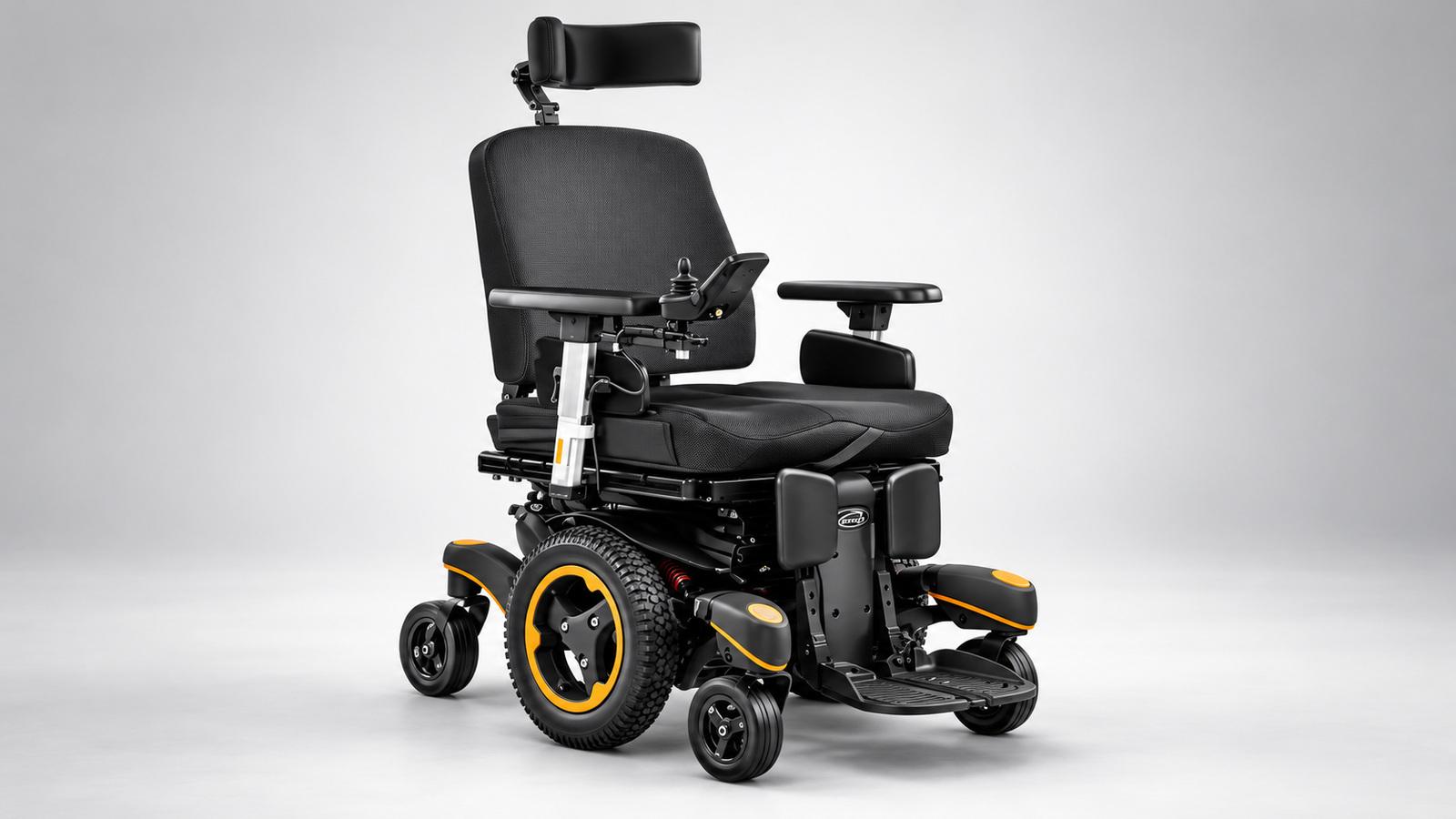
QUICKIE Q700 M HD Power Wheelchair
The QUICKIE Q700 M HD supports powered mobility with configurable seating for users who need greater positioning support. It suits higher support needs.
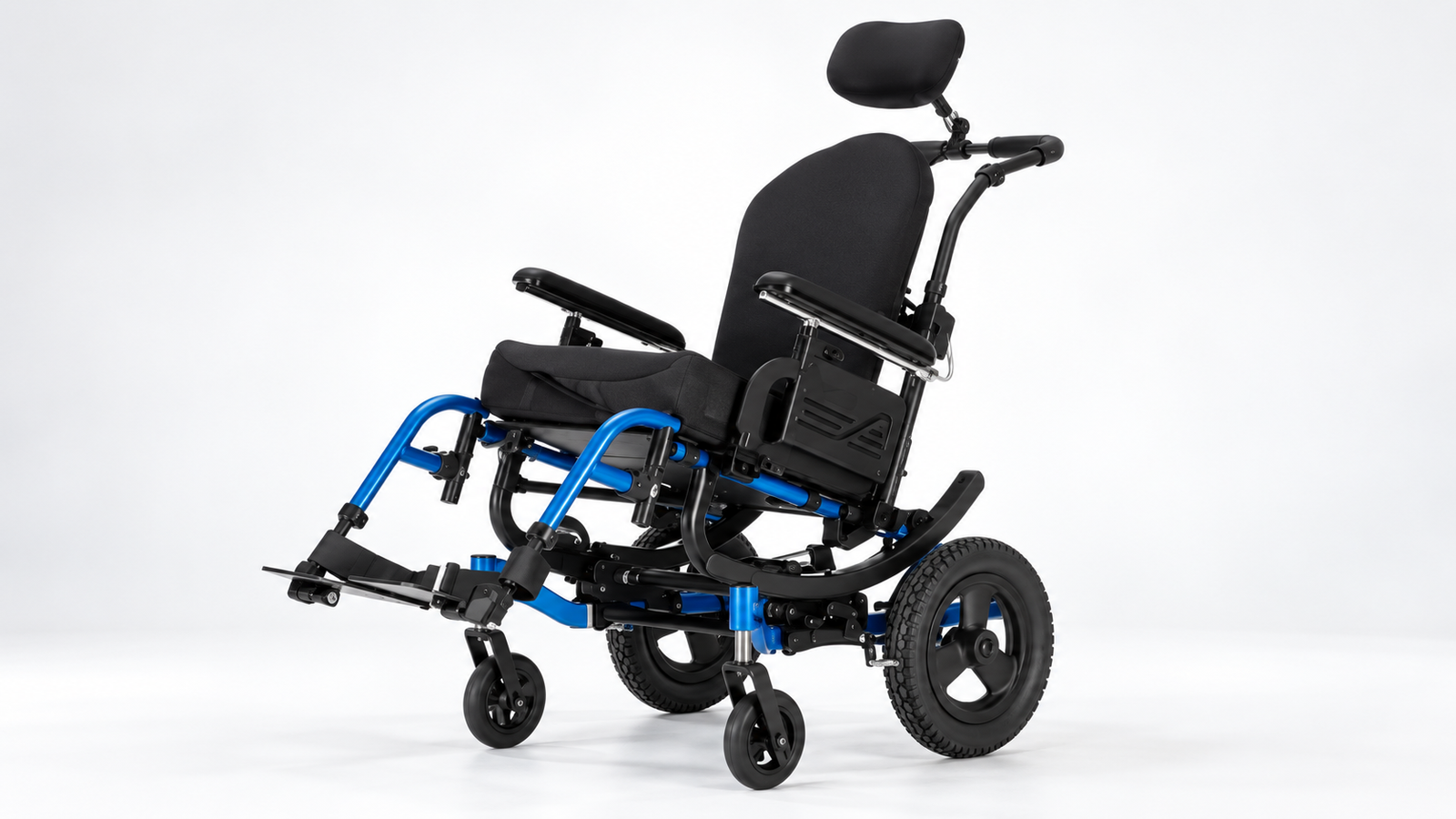
QUICKIE Iris Tilt-in-Space Wheelchair
The QUICKIE Iris offers tilt-based repositioning with multiple seating adjustments for caregiver-supported position changes. It supports regular repositioning.
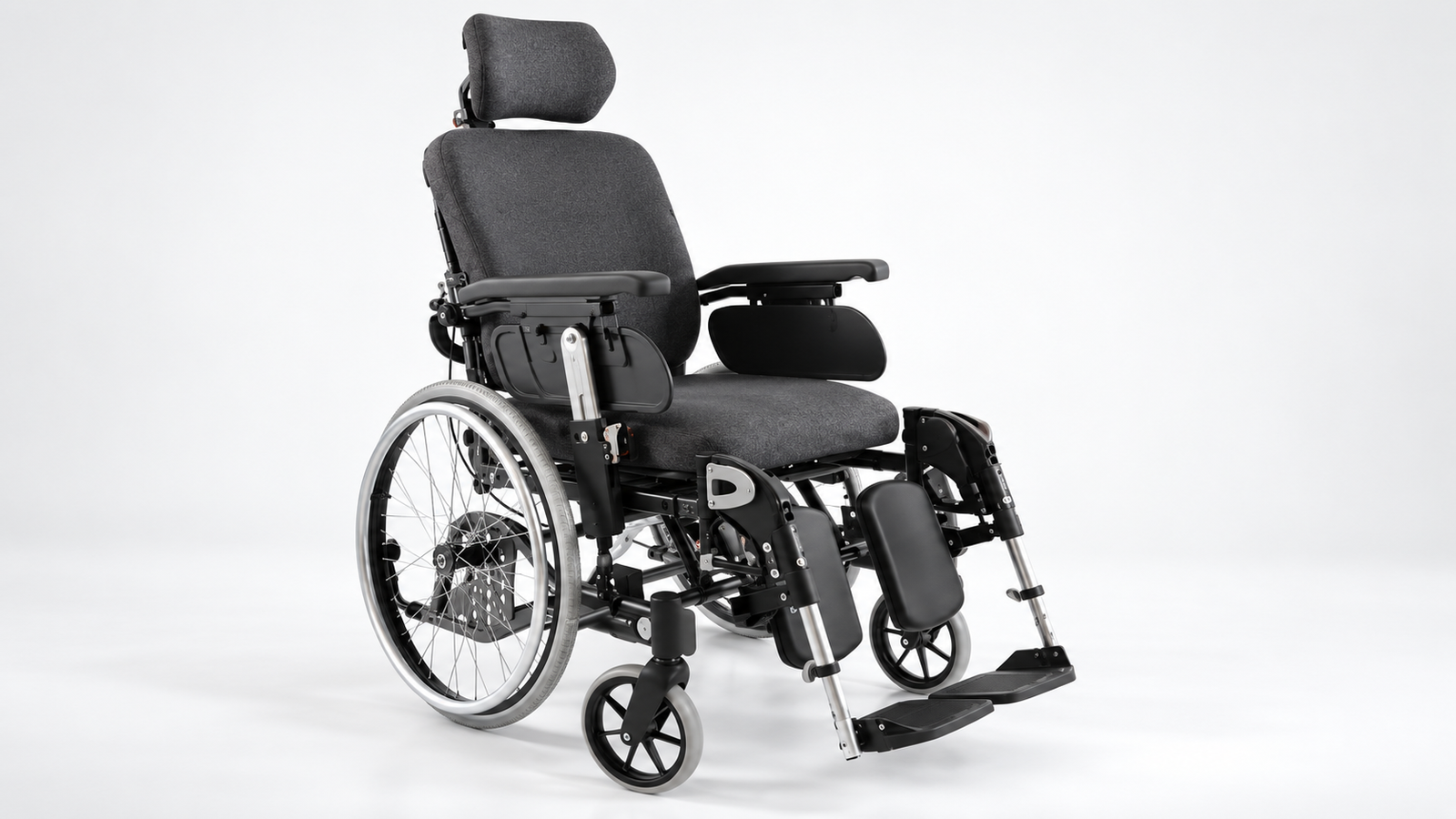
BREEZY Cirrus G5 Tilt-in-Space Wheelchair
The BREEZY Cirrus G5 combines tilt, backrest adjustment, and configurable seating for supported daily positioning. It helps with caregiver-led changes.
Conclusion: Plan for Today and the Next Stage
Muscular dystrophy can change mobility in stages, so seating reviews should change with it. We assess posture, pressure, controls, transfers, travel, and future adjustment before suggesting a setup.
At SCOOT, we compare seating systems around your current function and daily routine. Speak with our team for a clinical assessment and a wheelchair for muscular dystrophy planned around your positioning needs.
FAQs
How does wheelchair need change as muscular dystrophy progresses?
As muscle strength reduces, users may need greater trunk support, pressure care, powered positioning, alternative controls, and regular seating reviews through each changing stage safely.
What seating features support weakening muscles?
A suitable system may combine pelvic support, contour cushions, shaped backrests, lateral pads, headrests, arm support, foot positioning, and prescribed belts for better body alignment.
When should a family consider a power wheelchair for MD?
Consider powered mobility when walking or manual propulsion causes excess fatigue, limits daily access, or when powered positioning helps manage posture and pressure safely daily.
How often should seating be reassessed for progressive conditions?
Arrange a review when posture, skin, pain, growth, transfers, driving control, or daily function changes, then follow the clinician’s scheduled reassessment plan after that period.
Can proper seating slow the impact of muscle weakness?
Seating cannot slow muscular dystrophy itself, but suitable positioning can reduce avoidable strain, support function, protect skin, and improve comfort during daily wheelchair use periods.