
Blogs & Events

Wheelchair Sizing Guide: Why the Wrong Width or Depth Causes Long-Term Damage
Does your wheelchair feel fine for ten minutes, yet painful later? You may blame the cushion, posture, or long sitting hours. However, the real problem can start with basic chair dimensions. A good wheelchair sizing guide helps you match the frame to your body before pressure, sliding, shoulder strain, or poor leg support becomes a daily pattern.
At SCOOT, we look beyond catalogue size labels. We consider body measurements, posture, transfers, daily routes, and seating needs together. A poor fit keeps forcing your body to correct its position. Over months, that can lead to pain, skin stress, fatigue, and reduced control.
How Chair Dimensions Change Posture, Movement, and Daily Comfort
A wheelchair should support the pelvis while leaving your arms room to work. Therefore, sizing starts with the body. Clinicians may use seated anthropometry, posture checks, pressure review, and functional reach tests.
The August 2026 research included 338 wheelchair users, including 246 men and 92 women, across 26 seated measurements. Their seated heights measured 9% to 27% lower than the comparison adult sample. So, standard adult dimensions can miss the actual body position of many wheelchair users.
Why Seat Width Changes Hip and Pelvic Position
A narrow seat can squeeze the hips and increase side pressure. A wide seat can allow the pelvis to drift, rotate, or lean. Therefore, wheelchair seat width should follow hip breadth plus suitable clearance for clothing and movement.
Your wheelchair sizing guide should also consider cushion width and side supports. A mismatched cushion can reduce pelvic support even when the frame looks suitable.
How Excess Seat Depth Can Load the Area Behind Your Knees
Seat depth should support the thighs without pressing into the back of your knees. If the seat runs too deep, you may slide forwards to escape that pressure. Then the pelvis rolls backwards and the trunk follows.
A correct wheelchair measurement checks thigh length while leaving space behind the knees. For pelvic and upper-body positioning, read SCOOT’s guide to wheelchair backrests and lateral trunk supports.
Why Forward Sliding Creates a Chain of Postural Problems
Sliding rarely stays limited to the hips. First, the pelvis moves forwards. Next, the lower back rounds. Then the head and shoulders follow.
This pattern can also change foot position and arm reach. Over time, repeated friction may increase skin stress around the sacrum and thighs. Many wheelchair fitting mistakes begin with one dimension, yet the body responds across several contact points.
How Poor Fit Changes Shoulder and Arm Use
Manual users need good access to the push rims. A wide seat can force extra shoulder movement and longer reaching during propulsion.
That extra movement adds work to every push. Likewise, poor armrest height can lift or drop the shoulders. Active users may also benefit from SCOOT’s article on sports wheelchair features and fit choices.
Why Pressure Distribution Needs More Attention During Long Sitting Hours
Pressure also changes with pelvic position, cushion shape, seat angle, clothing folds, and repositioning frequency.
Therefore, custom wheelchair fitting should include pressure risk as part of the seating review. Your wheelchair sizing guide should never treat the cushion as a separate purchase. Frame dimensions and cushion dimensions must work together. SCOOT also explains how different materials and profiles affect support in its wheelchair seat cushion guide.
When You Should Measure the Wheelchair Again
Your body can change after surgery, weight change, muscle loss, growth, or swelling. Children need reviews as limb length and trunk support change.
Reassessment also helps when transfers become harder or posture changes. The July 2026 research validated scalable wheelchair dimensions with 10 wheelchair users and 30 frontal-crash simulations. Body-scaled models reduced seat-width error by 25.5% and seat-height error by 66.4% against one standard wheelchair size.
Measurements That Belong in a Wheelchair Sizing Guide
Good measurement requires more than hip width. Link body dimensions with posture, transfers, propulsion, foot support, reach, and the intended cushion.
The table below shows the core areas we review. It also shows why wheelchair depth and height should never come from guesswork or clothing size.
Measurement Area | How It Is Checked | What Poor Sizing Can Cause |
Seat width and hip breadth | Measure the widest hip area while seated | Side pressure, pelvic drift, harder wheel access |
Seat depth and thigh length | Measure from the rear of the pelvis towards the knee | Knee pressure, sliding, loss of pelvic position |
Seat-to-floor height | Match lower-leg length, cushion, footplates, and propulsion style | Poor foot support, difficult transfers, reduced push access |
Backrest height | Match trunk control and shoulder movement needs | Restricted arm use or weak trunk support |
Armrest and footrest position | Match forearm and lower-leg position | Shoulder elevation, dangling feet, poor thigh support |
A correct wheelchair measurement should also account for the cushion after compression. Otherwise, seat height can change once you place the user on the final seating system.
Seat Width and Hip Measurement
Measure the widest hip area in the expected seated posture. Then consider clothing, side guards, cushion shape, and hand access.
The second wheelchair seat width check happens during trial use. Watch whether the pelvis stays centred and whether the user can reach both wheels without shoulder strain.
Seat Depth and Thigh Length
Measure from the rear of the pelvis towards the knee crease, leaving suitable clearance. Short seats reduce thigh support, while excess depth can push you forwards.
This is where many wheelchair fitting mistakes appear after purchase. The frame may look large enough, but the body may still lack proper contact.
Seat-To-Floor Height and Lower-Leg Length
Seat-to-floor height affects foot clearance, transfers, table access, and manual propulsion. Therefore, measure the lower leg with the intended footwear and cushion included.
For foot propulsion, the setup may differ from a user who propels only through handrims. The same chair height does not suit every movement style.
Backrest Height and Trunk Support
Backrest height should support the trunk without blocking shoulder movement. Some users need shaped support or lateral pads, while others need less back support.
Then check head position, pelvic position, and arm function together. A backrest correction often fails when the pelvis remains unstable below it.
Armrest and Footrest Position
Armrests should support the forearms without lifting the shoulders. Footrests should support the feet while keeping the thighs in useful contact with the cushion.
Small changes can alter the full seating posture. Therefore, check wheelchair depth and height together with footplate position, rather than adjusting each part alone.
How Accurate Fit Supports Safer Everyday Mobility
A well-fitted chair can ease transfers, reduce repeated body corrections, and improve reach. It can also support a more efficient manual push.
Our wheelchair sizing guide approach starts with the person, then moves to frame choice and seating parts. For powered mobility, control position, turning space, posture, and seat functions need equal attention. SCOOT’s electric wheelchair guide covers those choices in more detail.
SCOOT Wheelchairs for Different Seating and Sizing Needs
At SCOOT, our clinical team helps you choose wheelchair types and configuration options around your daily needs. We offer standard, ultralight, power, tilt-in-space, sports, and drive-assist choices, alongside cushions, backrests, headrests, harnesses, lateral supports, and specialised controls. Our seating range also includes JAY, Spex, and ROHO products.
We also support custom wheelchair fitting through consultation, product trials, repairs, and spare-part access.
BREEZY Style Adjustable Wheelchair
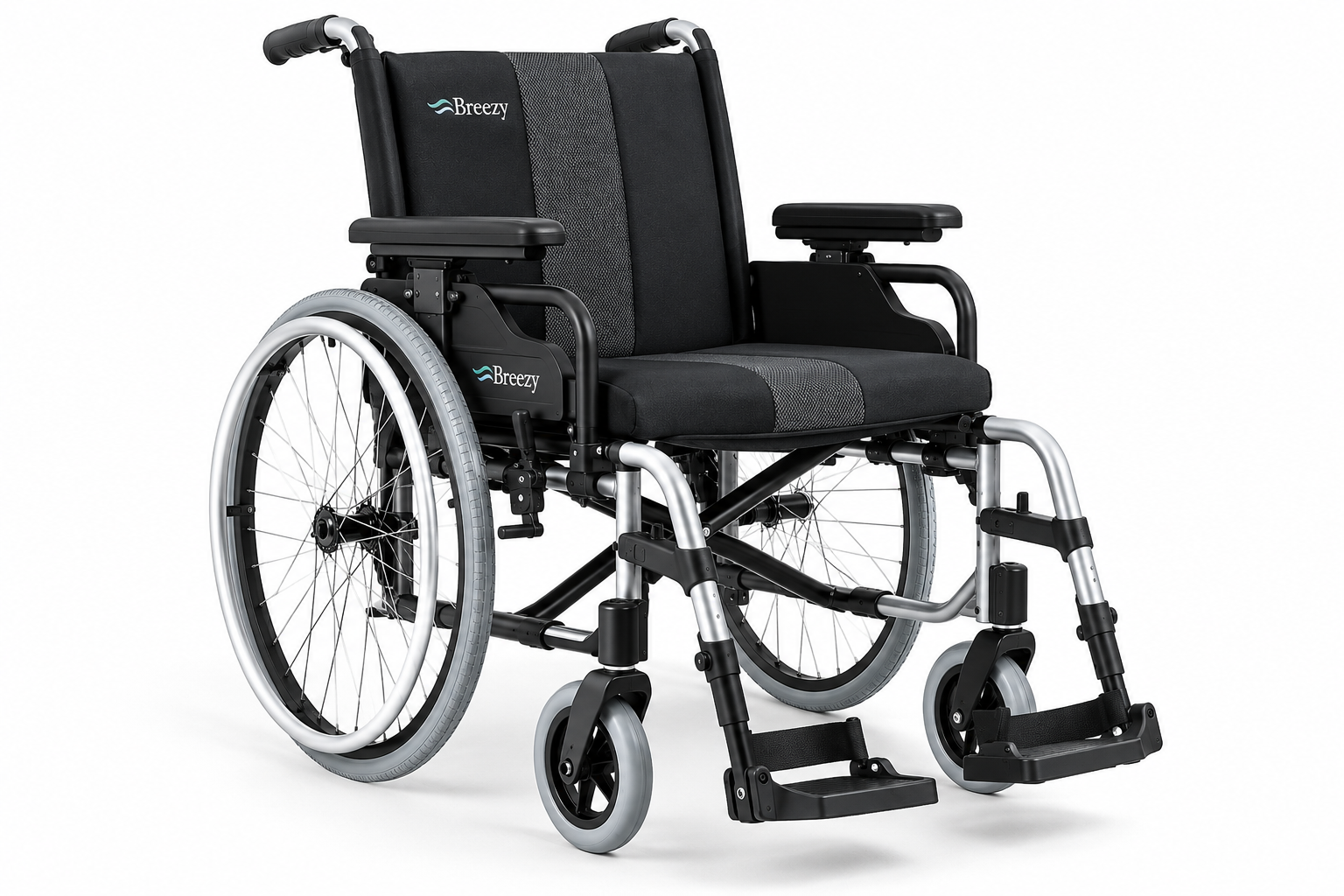
The BREEZY Style Adjustable Wheelchair gives users several seat-width choices, backrest options, and wheel configurations. This makes the chair easier to match with body size, posture, and everyday manual mobility needs.
QUICKIE IRIS Tilt-in-Space Wheelchair
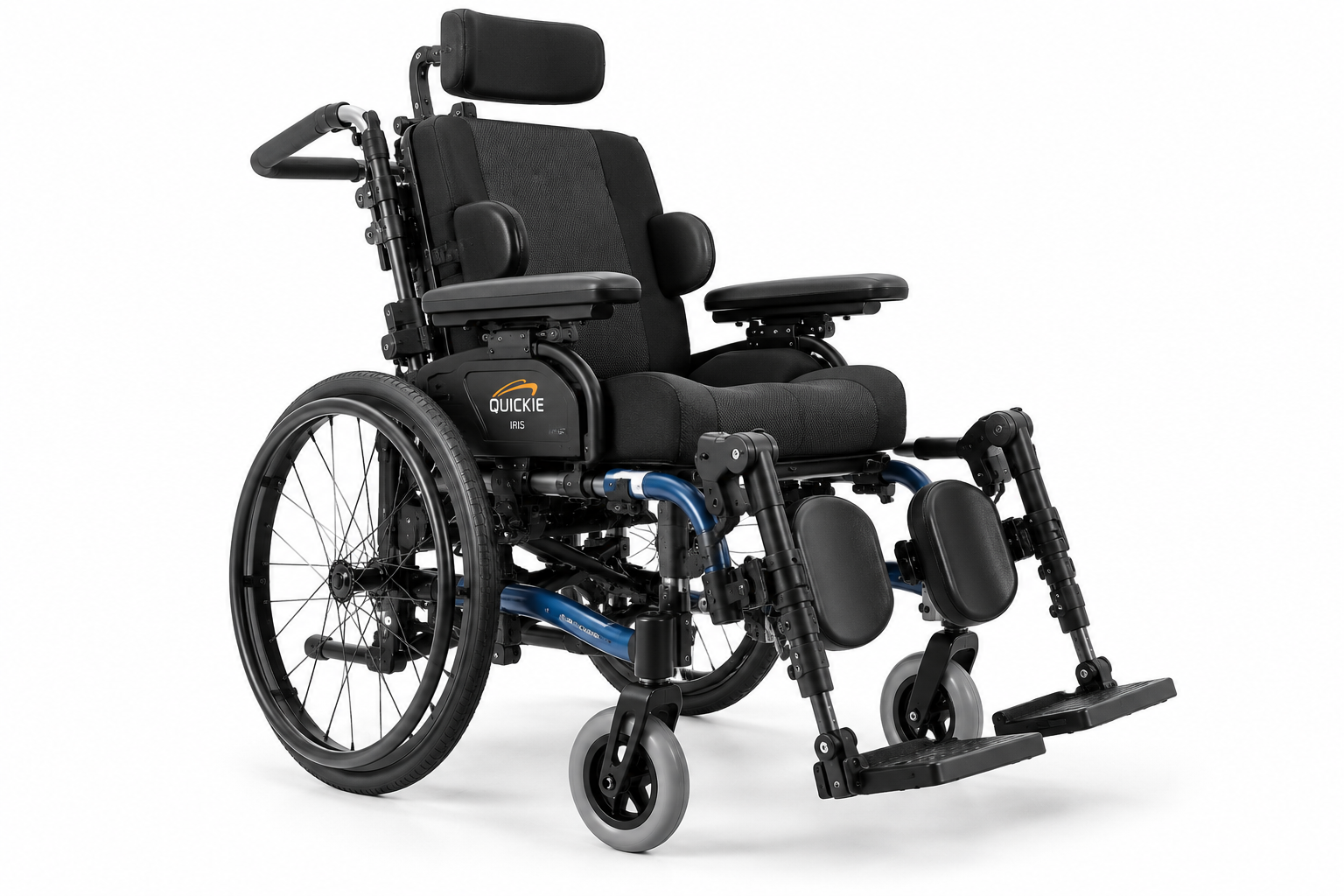
The QUICKIE IRIS Tilt-in-Space Wheelchair supports users who need more positioning control during longer sitting periods. Its tilt-in-space design helps with posture changes, while this model also carries ISO 7176-19 crash-test compliance.
QUICKIE Q300 M Mini Power Wheelchair
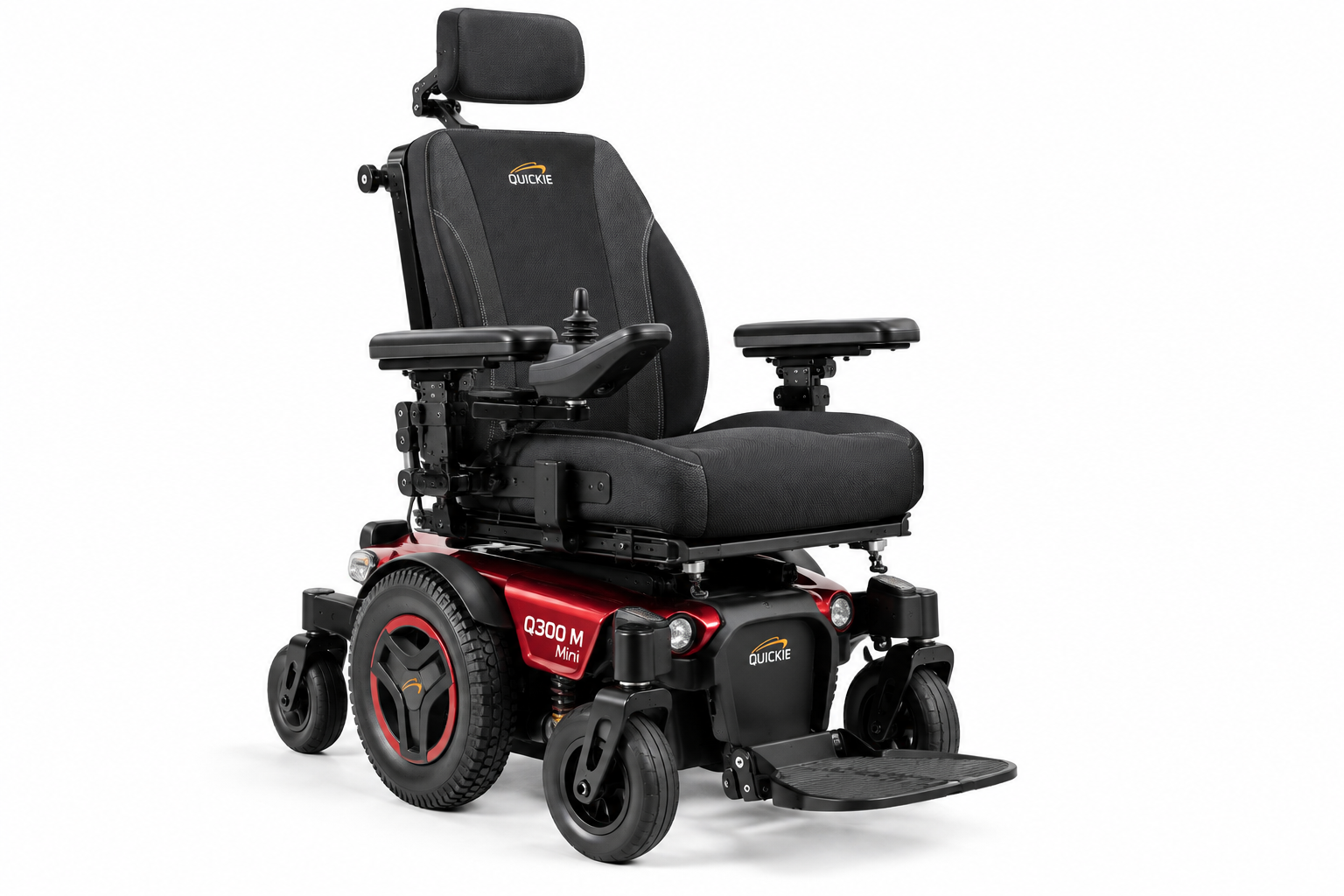
The QUICKIE Q300 M Mini Power Wheelchair combines compact powered mobility with an adjustable seating setup. Users can configure the chair around their body dimensions, positioning needs, and daily movement requirements.
Signs Your Current Wheelchair May Be the Wrong Size
Look at what happens after longer sitting, not only during the first trial. Hip pressure, red skin, forward sliding, raised shoulders, poor foot contact, or repeated leaning can signal poor fit.
Transfers can reveal problems too. If armrests, footplates, or seat height keep getting in the way, request a full seating review instead of changing only the cushion.
Conclusion
Wheelchair sizing changes pressure, posture, propulsion, transfers, and daily energy use. Width, depth, height, back support, and foot position all interact.
At SCOOT, we can help you compare seating needs, trial suitable options, and plan the right configuration through a structured wheelchair sizing guide. Contact our team and arrange a fitting review for your current chair or your next wheelchair.
FAQ
Why does wheelchair size affect long-term health?
Correct sizing supports posture, pressure distribution, arm movement, and leg position, reducing repeated strain that may contribute to pain or skin problems during long-term use.
What problems can an incorrectly sized wheelchair cause?
Poor fit can cause pelvic sliding, knee pressure, shoulder strain, skin irritation, difficult propulsion, weak foot support, and reduced control during mobility tasks over time.
How is the right seat width and depth measured?
Measure hip breadth for seat width, then measure from the pelvis towards the knee crease for depth, leaving suitable clearance behind both knees during sitting.
Can a wrong-sized wheelchair be adjusted later?
Some chairs allow changes to seat width, depth, backrests, footrests, and armrests, but fixed frame limits may require a different wheelchair or seating system altogether.
How often should wheelchair fit be reassessed?
Review fit after growth, weight change, surgery, new pain, posture changes, skin problems, or mobility changes, with periodic clinical checks when needed during long-term use.