
Blogs & Events

Wheelchair Footplate and Legrest Adjustments: Why They Matter for Circulation and Comfort
Do your feet start losing support after you spend longer in the wheelchair? Your knees may rise as well. A suitable wheelchair footplate and legrest adjustment gives both feet a firm resting position while supporting the lower legs. It may also reduce unwanted load around the knees and hips.
A setup that worked earlier may need checking after new footwear or swelling. Growth, cushion changes, and altered muscle tone can affect it too. Transfers may shift your lower-body position further. Your wheelchair leg support settings therefore need to match the seating arrangement you use now.
How Wheelchair Footplate and Legrest Adjustment Supports Daily Comfort
The footplates do not work separately from the rest of the chair. Seat height, cushion thickness, back support, and arm position all affect how your legs rest. Change one of them and pressure may move somewhere else. That is why clinicians usually assess the whole seated position before altering one part.
During the check, they look at thigh contact first, then knee bend and heel support. Ankle and pelvic position also enter the assessment. When swelling, skin colour changes, pressure marks, or discomfort appear, circulation and wheelchair positioning need attention together.
Setting Footplate Height for Lower-Leg Support
The footplates do not work separately from the rest of the chair. Seat height, cushion thickness, back support, and arm position all affect how your legs rest. Change one of them and pressure may move somewhere else. That is why clinicians usually assess the whole seated position before altering one part.
During the check, they look at thigh contact first, then knee bend and heel support. Ankle and pelvic position also enter the assessment. When swelling, skin colour changes, pressure marks, or discomfort appear, circulation and wheelchair positioning need attention together. Your thighs should also keep contact with the cushion instead of losing support near its front.
That is the purpose of footrest height adjustment. Raise the plate too far and more load may move beneath the thighs. Hip position may change as well. Drop the plate too far and the feet lose support, while the pelvis may begin moving forwards.
A fitter will usually compare lower-leg length with cushion height and seat depth before choosing the final position. They then check heel contact during manual pushing or powered driving, since movement may expose a poor setting. For users needing greater postural support, SCOOT discusses related seating choices in its guide to quadriplegic wheelchairs.
Choosing a Legrest Angle When Swelling Is Present
Legrest angle changes knee position and the amount of support beneath your lower leg. Some users manage with a fixed position, while others need elevation. Raising the legrest without checking the pelvis may shift the body forwards and move pressure to another contact area.
For wheelchair footplate and legrest adjustment, joint movement sets an important limit. Hamstring length, swelling, and the way you transfer also affect the choice. Where oedema or vascular concerns exist, a clinician may consider elevation and then check what changed elsewhere in the seating position.
Neither the knee nor ankle should be forced past the movement available to that user. For proper leg positioning wheelchair setup, start with the movement available at the knee and ankle. The chair’s factory position comes second.
Managing Pressure Around Ankles, Heels, and Feet
Foot position changes where pressure gathers. A heel slipping behind the plate can rub against nearby hardware. Pressure may move towards the front of the foot when the heel gets little support. A strap may cause local pressure when it grips one small part of the foot or ankle for too long.
The support should match the problem you are trying to correct. A heel loop may control heel movement, while other users may need a calf strap, ankle support, or shaped footplate. Then inspect the skin after longer sitting periods. New redness, temperature changes, swelling, or pain should prompt another seating review.
These checks form part of wheelchair comfort settings, because comfort depends on pressure distribution as much as padding. SCOOT’s article on wheelchair tennis and Paralympics in India also shows how wheelchair setup changes with activity demands.
Keeping the Knees and Hips in a Better Working Position
Check what happens at the knees when you change footplate height. Knees that rise too far may show that the plate is lifting the lower legs and reducing thigh contact. A low plate creates the opposite pattern. The pelvis may move forwards, leaving the lower back to carry more load.
Knee and hip angles need to be checked alongside seat depth and pelvic position. The footplate will not always be the part that needs changing. Sometimes the legrest, cushion, or back support causes the poor position. A wheelchair footplate and legrest adjustment should stay within the user’s available joint movement. The clinician can then check whether the change affects circulation and wheelchair positioning elsewhere in the chair.
Contractures, spasticity, muscle weakness, and unequal leg length can alter how each leg rests. In such cases, wheelchair leg support settings need to follow the user’s actual lower-limb position rather than a preset arrangement.
Signs the Footplate or Legrest Needs Another Setting
Problems may show up only after the user has been seated for some time. Check foot and knee position after a transfer, then compare it again after a longer journey. A change from the person’s usual posture can appear before severe discomfort starts.
- A foot keeps leaving the plate, the heel loses support, or footwear touches the floor
- The knees stay higher than their usual position, or contact beneath the thighs is reduced
- New swelling, numbness, redness, or a pressure mark develops around the calf, ankle, or foot
- The legrest starts obstructing transfers or no longer follows the knee position
- Growth, different shoes, or a replacement cushion changes the distance to the footplate
Those signs are enough to justify another seating review, even when the footplate is not the only cause. In some cases, cushion height or seat depth needs correction before wheelchair footplate and legrest adjustment begins.
Positioning the Footplates for Transfers and Daily Movement
Footplates provide support once you are seated, but transfers need open space around the feet. Where more transfer space is needed, swing-away, flip-up, or removable footplates can move the support out of the way. After the user returns to the chair, each support needs to go back to its fitted position before movement starts.
Transfer technique also affects wheelchair comfort settings. A useful fitting must be easy to return to after every transfer. For that reason, users and carers need to know which components move, how they lock, and where the prescribed position is.
Before vehicle travel, check the footplates against the access ramp and securement area. Neither should interfere with entry or wheelchair restraint points. SCOOT covers related mobility planning in its guide to accessible transport solutions.
Footplate and Legrest Options From SCOOT Mobility
SCOOT begins with the person’s seating needs before moving to a wheelchair choice. Its specialists assess biomechanics, medical needs, and wheelchair fit together. The range covers manual and power chairs, including tilt-in-space, sports, paediatric, and seating options.
- A standard configuration will not fit every posture or mobility requirement.
- Where the assessment shows a different need, we can consider custom-built options so the chair follows the user’s body and daily use.
- Users can also access seating products from JAY, Spex, and ROHO through us, alongside product trials, repair support, and spare parts.
- We have branches in Bengaluru, Chennai, Kochi, Kolkata, Hyderabad, and Durgapur, giving users several locations for in-person mobility enquiries in India.
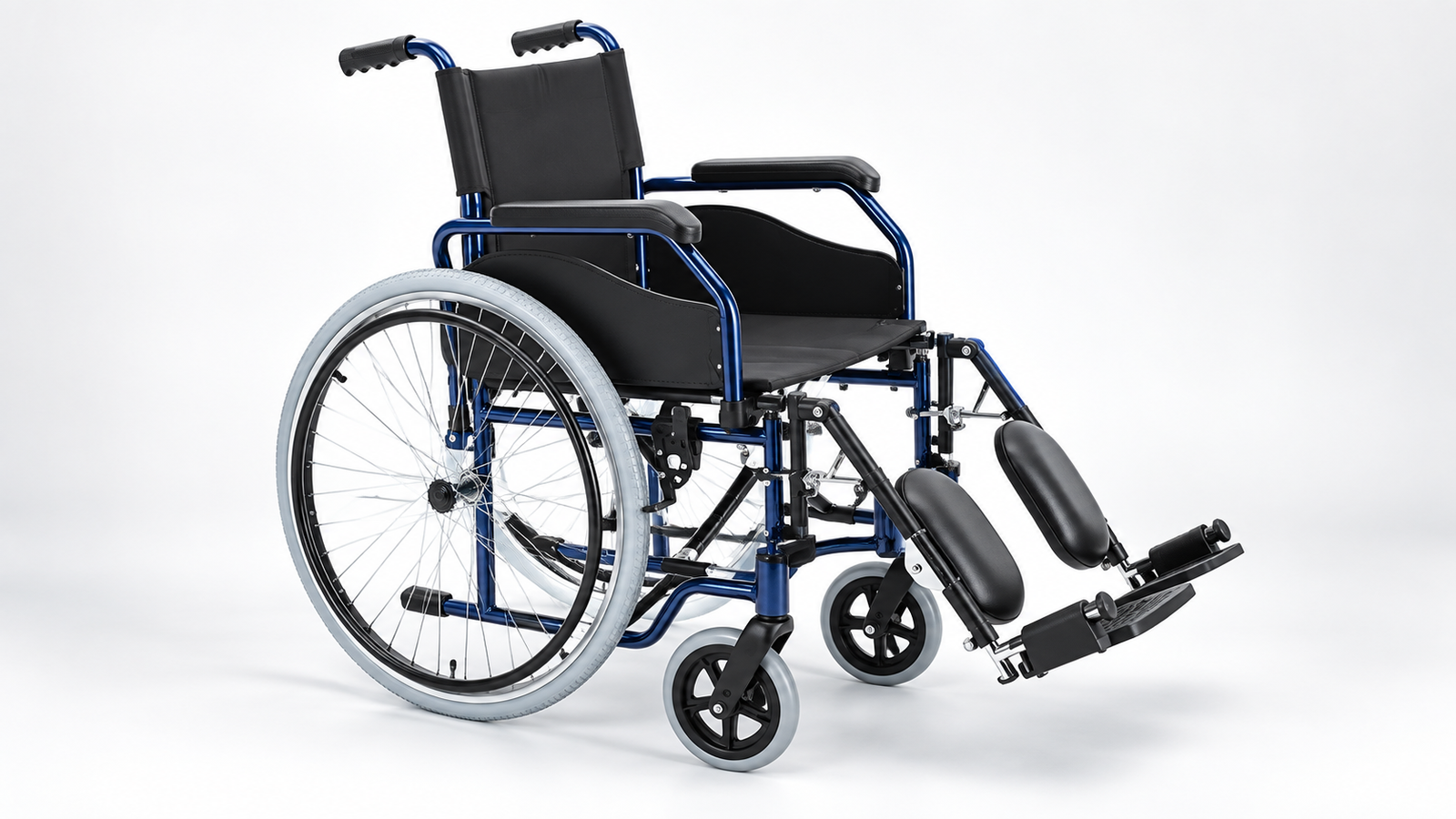
BREEZY 90: Folding Footplates and Lower-Leg-Length Adjustment
BREEZY 90 uses folding footplates with lower-leg-length adjustment. During fitting, the support can follow the user's leg length, while the folding design allows the plates to move aside for transfers.
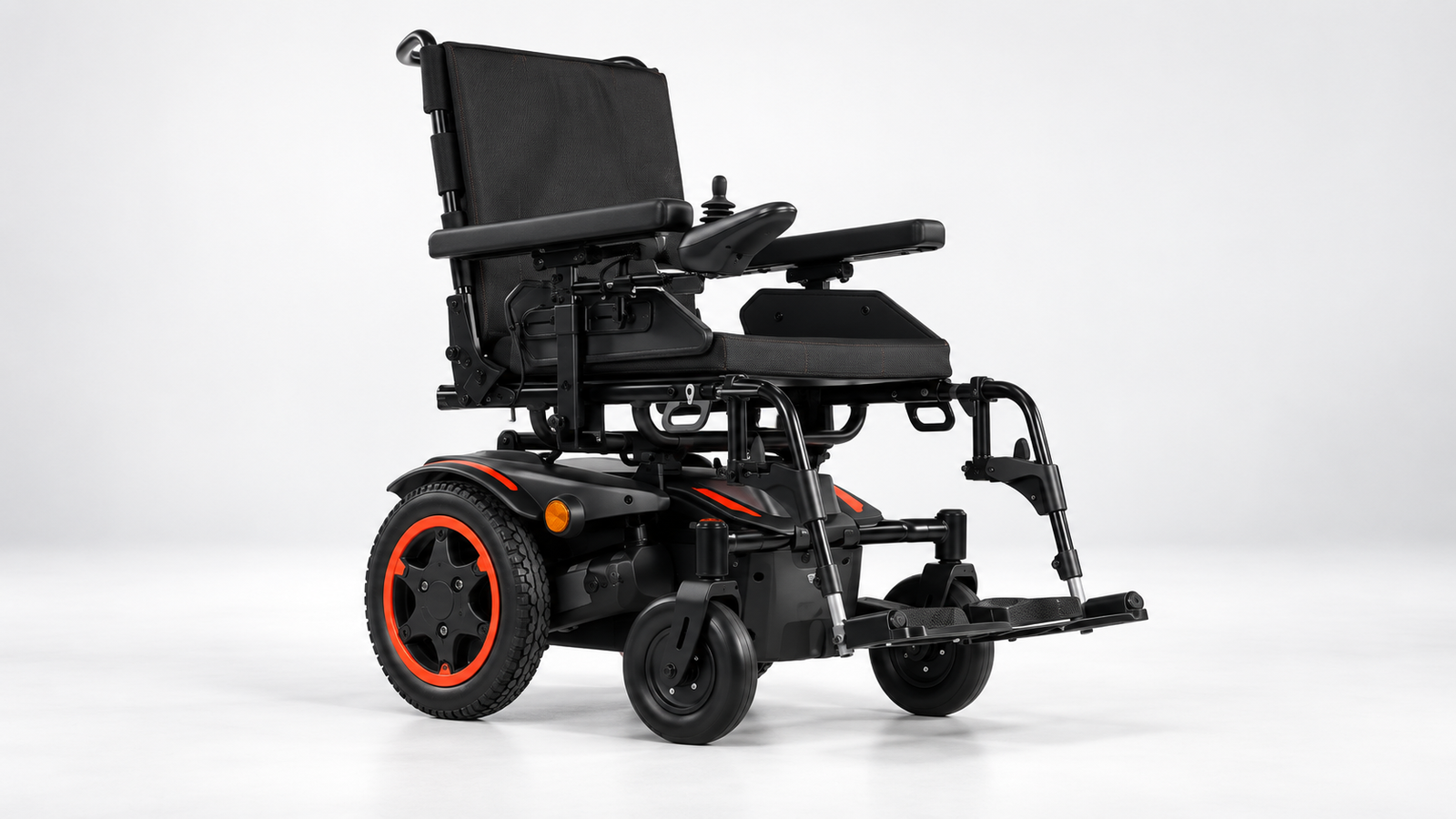
QUICKIE Q100 R: Elevating Legrest Choices
QUICKIE Q100 R offers different legrest configurations, including elevating options. That gives clinicians more room to match knee position and lower-limb needs.
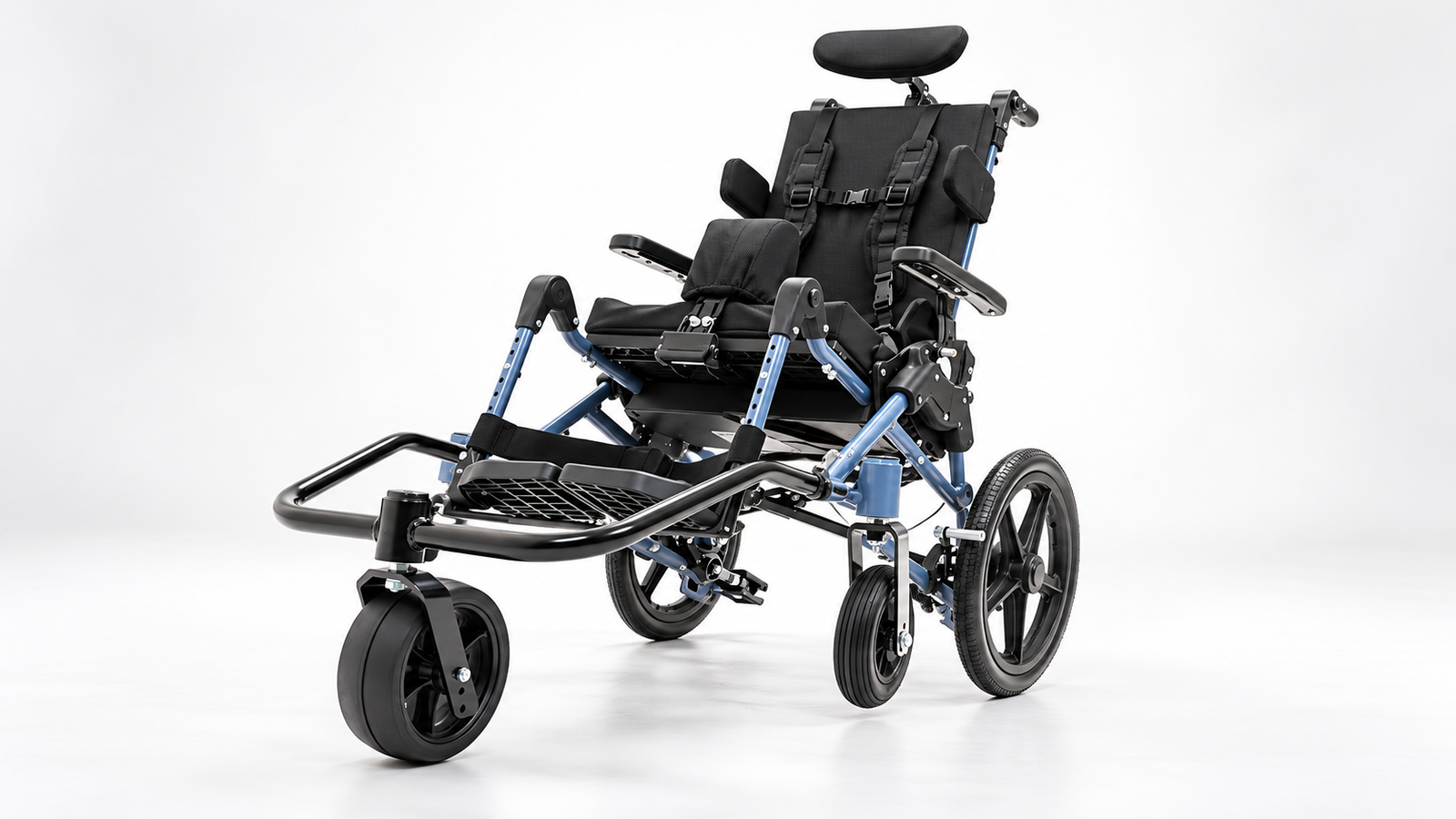
Participant Cub: Adjustable Foot Support for Children
Participant Cub allows footrest height and angle changes as a child grows. As the child grows, that adjustment range lets the fitting follow changes in body size and seating needs.
When Wheelchair Footplate and Legrest Adjustment Needs a Review
Do another review after a change in body size, footwear, cushion thickness, swelling, muscle tone, or transfer ability. Even replacing a cushion may alter the distance from the seat to the feet. Include footrest height adjustment when that distance changes.
What You Notice | What May Need Checking | Why It Needs Review |
Feet hang or slide | Footplate height and depth | The feet may lack stable support |
Knees stay too high | Lower-leg length setting | Thigh pressure or pelvic position may change |
Calves feel compressed | Legrest angle or calf support | Hardware may load one area too heavily |
Swelling increases | Leg elevation and overall posture | The chair may need another clinical review |
Transfers become harder | Swing-away or removable hardware | The support may block movement |
A seating professional may begin with lower-leg length and joint-angle measurements. Posture and skin condition come next. Once one setting changes, the user should return to the seated position for another check before anything else is altered.
For children, changes can happen faster because growth alters both leg length and seat fit. Parents comparing broader mobility equipment may also find SCOOT’s guide on the difference between a pram and stroller useful for device selection.
Final Thoughts on Wheelchair Foot and Leg Positioning
Footplate and legrest position affects where lower-body pressure falls during wheelchair use. Even a modest change in height or angle may shift contact at the thighs, feet, or pelvis. Regular proper leg positioning wheelchair reviews can catch those changes before discomfort becomes a daily problem.
At SCOOT, we review the wheelchair together with its seating parts and the way you transfer each day. Slipping feet, swelling, repeated pressure, or harder transfers are good reasons to book another assessment. Contact our team for wheelchair footplate and legrest adjustment support based on your present seating needs.
FAQ
Why Is Footplate Height Important for Wheelchair Users?
The right height gives the feet support without lifting the knees unnecessarily. A poor setting may move pressure towards the thighs and alter seated posture.
Can Poor Leg Positioning Affect Circulation?
Yes. Soft tissue may become compressed when the legs remain poorly supported. Reduced movement or swelling also warrants a review of the full seating setup.
How Often Should Footrests Be Adjusted?
There is no single schedule for every user. Recheck them after growth, footwear changes, a new cushion, swelling, pain, or a noticeable posture change.
What Signs Indicate the Legrest Needs Readjusting?
Look for feet slipping repeatedly, knees rising, new pressure marks, calf discomfort, swelling, or transfers becoming harder. Poor legrest alignment is another warning sign.
Who Should Perform Footplate and Legrest Adjustments?
Use a trained wheelchair clinician, therapist, rehabilitation engineer, or qualified seating specialist. They can check leg length, joint movement, pressure risk, and transfer requirements before changing the setup.