
Blogs & Events

Wheelchair for Multiple Sclerosis: Adapting Support as Symptoms Change
Could your wheelchair still support you on a difficult MS day? With MS, strength may remain steady at one point and fall later. Balance, hand control, posture and stamina can also change during the day. Some days may allow short walks. Other days can make a hospital visit, office journey, or shopping trip exhausting.
A wheelchair for multiple sclerosis should match these changing demands, rather than one short assessment. At SCOOT, we look at your posture, transfers, movement, home access, travel, caregiver support, and fatigue pattern. Then we consider how the wheelchair can adapt if your needs change later.
How Can Wheelchair Support Follow Changing MS Needs?
MS can affect mobility in several ways, and those effects may vary. First, we look at your safe walking distance and transfer method. Next, we assess trunk control, arm strength, hand access, pressure risk, and daily travel.
You may use different MS mobility aids during the same week. A walking aid may work indoors, while a wheelchair saves energy outside. When your mobility changes, an adaptive wheelchair for MS may need changes too. Seating position or control access may require another fitting.
Managing Fatigue During Longer Periods of Mobility
Fatigue often changes mobility before walking stops completely. You may manage a short walk at home, yet struggle across railway stations, campuses, hospitals, or large offices. Therefore, a wheelchair for fatigue management can conserve energy for transfers, work, personal care, and family time.
A fluctuating-symptoms wheelchair setup may support manual mobility on stronger days and assistance on harder days. Power mobility may reduce repeated arm effort as well. However, the choice should reflect shoulder health, endurance, home space, transport, and the distances you cover. Our guide on mobility aids for disability compares options for different physical needs.
Supporting Posture as Muscle Strength Changes
Trunk weakness may change the position of your pelvis, shoulders, or head. At first, a basic back support may work. Later, you may need firmer pelvic support, lateral pads, another backrest shape, or head support.
These multiple sclerosis seating needs require individual fitting. We check whether you lean, slide forward, collapse through the trunk, or use your arms to stay upright. Then we adjust support around your available movement. As a result, your arms remain freer for propulsion, steering, reaching, and transfers.
Reducing Pressure During Extended Sitting
Longer seated hours change how body weight loads the pelvis and thighs. Therefore, cushion choice should never depend on softness alone. We consider pelvic position, skin history, heat, moisture, sitting duration, transfer method, and repositioning ability.
A wheelchair for multiple sclerosis may need pressure-managing seating when walking time falls. Yet the cushion must work with seat depth, foot position, back support, and pelvic alignment. Otherwise, one correction may create another fitting problem. For more detail, read how tilt-in-space and recline change wheelchair positioning.
Adjusting Seating for Balance and Trunk Control
After fatigue, heat, illness or an MS flare-up, your trunk may need more support than it did earlier in the day. So, we assess posture when you feel fresh and again after activity. The later assessment may reveal support needs missed during a short trial.
Seat width, pelvic support, backrest position, arm support, and foot placement should work together. However, too much support can restrict useful movement. Too little may force you to spend energy simply holding your body upright.
Choosing Between Manual and Powered Mobility
The manual-versus-power decision should come from daily effort, not diagnosis alone. Some users self-propel well over short distances. Others conserve more energy with powered mobility during community travel.
Daily Situation | Manual Wheelchair May Fit | Power Wheelchair May Fit |
Short indoor travel | Arm strength remains reliable | Propulsion causes early fatigue |
Longer routes | Assistance remains available | Powered travel reduces repeated effort |
Changing endurance | Wheelchair use stays occasional | Energy varies across the day |
Reduced hand function | Grip and push remain usable | Adapted controls improve access |
This approach also improves planning for MS mobility aids. For example, you may continue walking for selected tasks while using a wheelchair for multiple sclerosis for longer journeys. That can conserve energy without forcing one mobility method for every situation.
Adapting Controls When Hand or Arm Function Changes
Hand strength, tremor, coordination, or finger movement may affect wheelchair control. Because of that, joystick position and activation force may need review. Some users may need a low-force joystick, different mounting, attendant control, head control, or another access method.
The 2026 ORATORIO-HAND trial reported a 41% reduction in worsening hand and upper-limb function at 12 weeks. Upper-limb function can affect steering, propulsion, transfers, grooming, and other daily tasks for wheelchair users. Our guide on power wheelchair control options explains alternative access methods.
Which Wheelchair Features Can Improve Daily Comfort?
Your body may need one seated position during work or travel and another during rest. The seating should allow those changes without limiting useful movement. Since symptoms can vary, adjustable features often work better than a fixed position. A fluctuating-symptoms wheelchair may need position changes for work, rest, travel, or personal care.
Tilt and Recline for Position Changes
Tilt changes the complete seating angle. Recline changes the angle between the seat and backrest. Therefore, each function affects posture differently.
For some multiple sclerosis seating needs, a clinician may pair these functions with suitable cushioning. However, the setup should follow hip movement, pelvic position, head control, transfers, and how long you remain seated.
Cushions and Back Supports for Daily Seating
A cushion cannot correct every seating issue. First, the pelvis needs a stable base. Then the backrest should support the trunk without blocking useful arm movement.
An adaptive wheelchair for MS may need cushion or backrest changes as posture, muscle tone, body weight, or sitting duration changes. Therefore, review the complete seating system instead of replacing one component alone.
Headrests, Lateral Supports, and Foot Positioning
Headrests can support rest, travel, or powered positioning. Lateral supports may help when trunk control is reduced. Meanwhile, footrest position can affect the pelvis and pressure distribution.
Still, every support should match your current movement. Adjustable components give the clinical team more room to modify the setup when your needs change.
When Should Wheelchair Support Be Reassessed?
Review the wheelchair when daily effort changes, even if the equipment still looks suitable. For example, new shoulder pain, more leaning, harder transfers, shorter propulsion tolerance, or difficulty reaching controls can justify another assessment.
A wheelchair for multiple sclerosis also deserves another review when your daily mobility changes. Moving home, changing workplaces, using a different vehicle, or spending longer in the chair may require a new fitting check. In addition, a wheelchair for fatigue management may require different seating or control settings when endurance falls later in the day.
Travel also needs planning. Our article on vehicle modification for disabled users in India covers access and wheelchair transport options.
SCOOT Mobility Wheelchair Options for Changing MS Needs
At SCOOT, wheelchair selection starts with a clinical assessment rather than a product list. Our trained wheelchair and seating specialists check how you transfer, move and operate the chair. They also review your home access, travel routine, medical needs and caregiver input before configuring the setup. Based on those findings, we can configure cushions, backrests, head support, harnesses, lateral supports, and alternative power controls around your individual needs.
Our range covers standard, ultralight, power, tilt-in-space, sports, and drive-assist wheelchairs. We work with Sunrise Medical. We have operated as Ktwo Healthcare Pvt. Ltd.’s wheelchair and mobility division since January 2018.
- Individual fitting follows your body, routine, environment, and mobility goals.
- After-sales support includes adjustments and guidance for users, families, caregivers, and therapists.
That support continues after fitting. We focus on long-term service as your mobility and seating needs change.
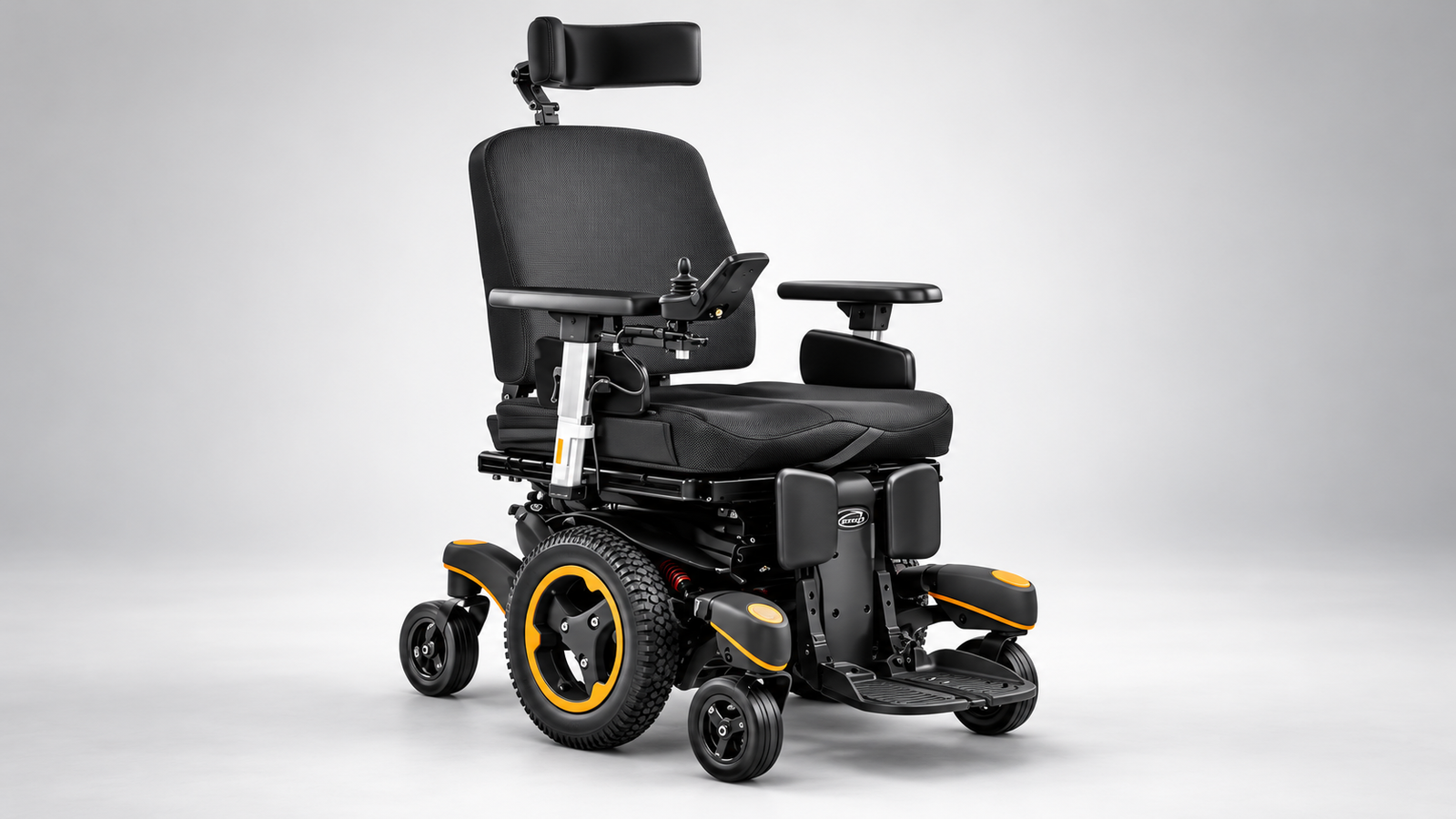
QUICKIE Q700 M HD Power Wheelchair
Powered positioning and configurable seating support greater mobility. Personalised controls allow individual access.
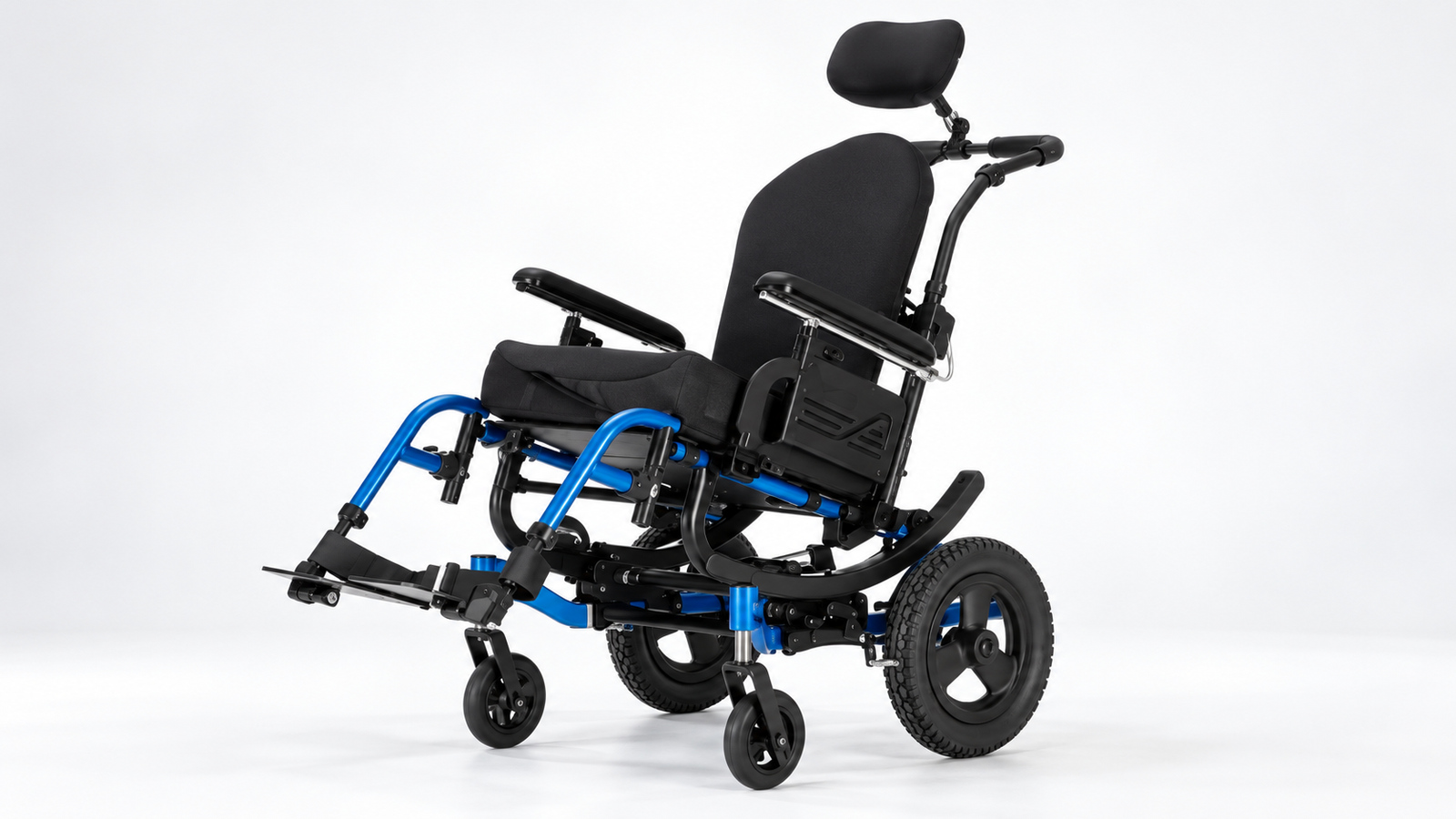
QUICKIE Iris Tilt-in-Space Wheelchair
Its tilt-in-space design supports position changes. Several adjustments support seating and caregiver handling.
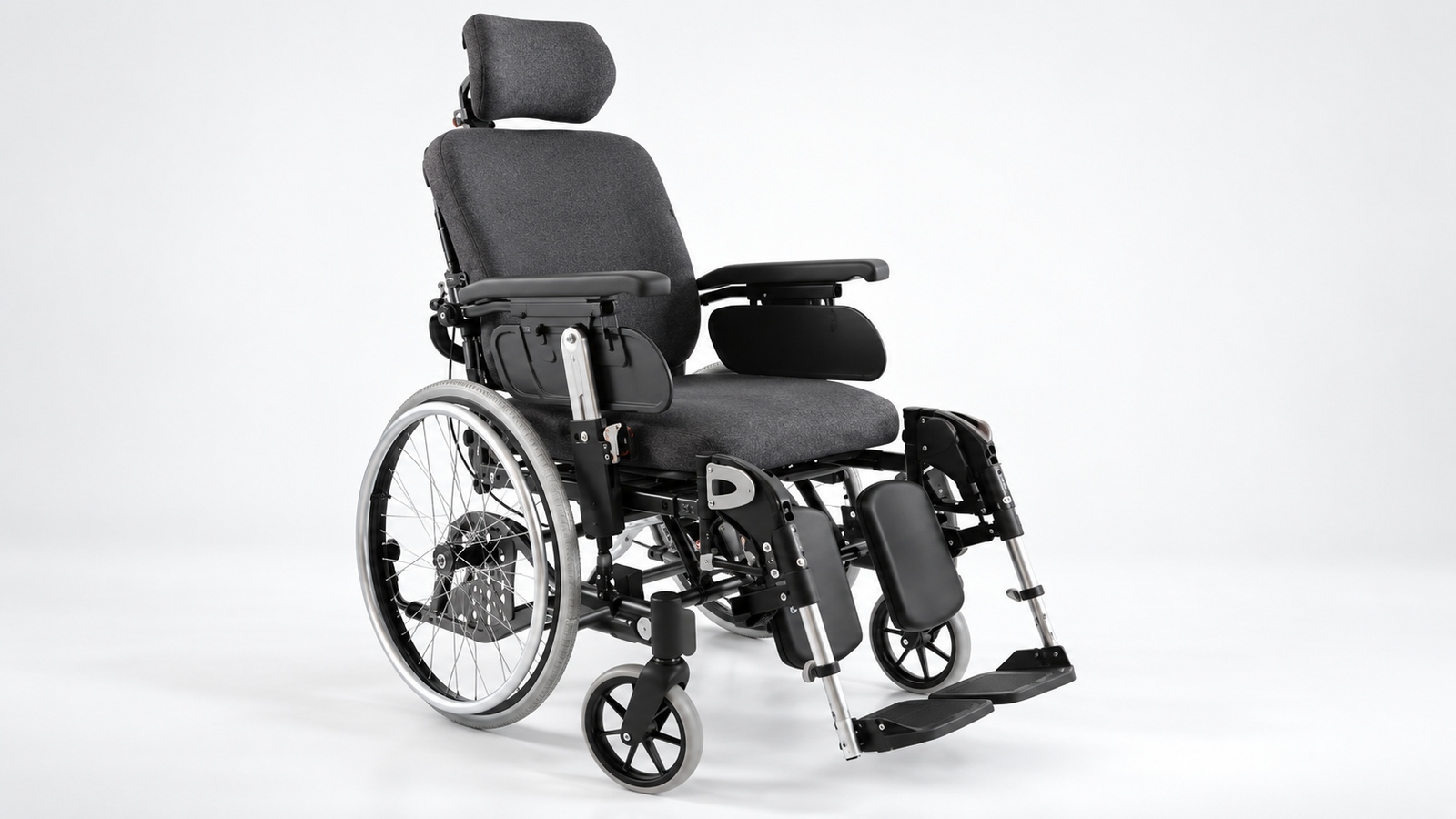
BREEZY Cirrus G5 Wheelchair
This tilt-in-space model supports repositioning and transfers. The seating can be adjusted around the user’s individual positioning requirements.
Conclusion: Choosing a Wheelchair for Multiple Sclerosis That Can Adapt Over Time
Your best setup today may need changes later. A chair with adjustment options gives you more room if your needs change later. Seating, positioning or controls may then be altered without replacing the whole wheelchair. During fitting, check the chair against your own doorways and lifts. It should also fit your vehicle and the routes you use most.
At SCOOT, we assess how you move across the whole day. If you are considering a wheelchair for multiple sclerosis, our clinical team can assess how you use it through the day. The review covers your posture, movement and seating setup, including areas that may need adjustment as your mobility changes.
FAQs About Wheelchairs for Multiple Sclerosis
Why do MS patients need adaptable wheelchair support?
MS symptoms may affect mobility differently over time. Changes in balance, strength, posture or stamina may call for adjustments to seating or wheelchair controls.
Can wheelchair needs change day to day with MS?
Yes. Walking may be possible for part of the day, then become harder later. Fatigue, heat, pain or reduced coordination can increase how much wheelchair support you need.
What features help manage fatigue-related mobility loss?
When repeated pushing starts using too much energy, power assistance may reduce arm effort. Tilt can support position changes, while supportive seating and accessible controls may make longer periods in the chair less demanding.
Is a manual or power wheelchair better for fluctuating symptoms?
Travel distance and arm endurance often shape this decision first. Home access, transport arrangements and available caregiver help also affect the choice between manual and powered mobility.
How often should an MS patient's seating be reviewed?
Arrange another seating review when the chair no longer supports your body as before. Changes in posture, skin condition, transfers, fatigue, weight, pain or control access may mean the fitting needs another check.