
Blogs & Events

Wheelchair for Spinal Cord Injury: Pressure Relief, Transfers, Controls, and Daily Use Checks
Have you ever noticed how one small wheelchair problem can spoil an entire day? A loose brake, a flattened cushion, or a poor seat angle can make transfers harder and increase strain. After spinal cord injury, those small details carry more weight. A wheelchair for spinal cord injury should match the person’s body, strength, skin condition, home layout, travel pattern, and daily tasks.
How a Wheelchair for Spinal Cord Injury Supports Safer Daily Mobility
A spinal cord injury wheelchair needs to work as one complete setup. The frame, cushion, back support, foot position, wheel position, and controls all affect daily use.
Start with function. Can the person push without shoulder pain? Can they lift or shift body weight? Do they need help during transfers? Can they hold a joystick for long periods? These questions guide the next step better than choosing a chair by price or appearance.
Pressure Relief Methods That Protect Skin During Long Sitting Hours
Loss of sensation can hide early skin damage. A person may not feel pressure building around the hips, tailbone, heels, or thighs. Heat, sweat, friction, and poor posture can add more stress.
A pressure relief wheelchair can include an appropriate cushion, tilt, recline, or normal weight shifts. The proper technique will be determined by arm strength, trunk control, skin history, and the frequency of the user's ability to move from position to position without assistance.
A study of 45 manual wheelchair users with spinal cord injury found they actively propelled their wheelchairs for an average of 56 minutes daily. The sample included 39 people with paraplegia and six with tetraplegia.
Repeated pushing can wear down the upper limbs when wheel position or tyre pressure is poor. Small setup changes can reduce needless effort.
Cushion material can also change pressure distribution and sitting stability. SCOOT explains the differences in its guide to choosing the right wheelchair seat cushion.
Seating and Positioning Choices That Reduce Pain and Uneven Pressure
Good seating starts with body measurements. It should never start with a catalogue size.
Pelvic position affects the spine, shoulders, head, and pressure points. If the pelvis slides forward, shear can increase. If the seat feels too wide, the body may drift sideways. If it feels too narrow, the hips may face unwanted contact.
A wheelchair seating assessment should check pelvic position, trunk balance, joint movement, muscle tone, sensation, leg length, foot support, and skin history. The clinician should watch propulsion, reaching, transfers, and self-care too.
For a wheelchair for spinal cord injury, cushion choice needs equal attention. Air-cell, foam, gel, and mixed cushions behave differently. A good cushion should support posture and pressure needs without making transfers awkward.
Transfer Techniques for Beds, Toilets, Cars, and Other Surfaces
Transfers place heavy demand on shoulders, wrists, and hands. Poor technique can lead to falls, skin rubbing, or painful twisting.
Wheelchair transfer support may include removable armrests, swing-away footrests, a transfer board, a sliding seat, or a better seat height. The brakes should hold firmly before a stationary transfer. Footplates should move away when they block the path.
Bed transfers and toilet transfers often need different techniques. Car transfers add door width and seat-height problems. A therapist should practise each movement in the setting where the person will use it.
Transfer needs can differ considerably according to upper-body function. SCOOT’s guide to wheelchairs for paraplegic and quadriplegic users also covers bed-to-wheelchair transfer techniques and mobility considerations.
Wheelchair Control Options for Different Hand and Upper-Body Abilities
Arm and hand function can vary after cervical injury. Some people manage a manual chair. Others tire quickly or cannot grip a push rim well.
A power wheelchair for spinal cord injury can use a standard joystick, modified handle, attendant control, or another access method. The prescription should also consider door width, turning space, slopes, kerbs, charging points, and transport.
The user should test starting, stopping, reversing, turning, and parking beside furniture. Powered seating functions need practice as well. A control that works in a clinic may feel different in a narrow home passage.
Users with more limited hand or arm movement may need alternative driving systems. SCOOT’s guide to quadriplegic wheelchairs looks at modified joysticks, chin controls, head controls, tilt, recline, and other powered functions.
Daily Wheelchair Checks for Brakes, Tyres, Cushions, and Batteries
A two-minute check can prevent a bad surprise outside the house. It becomes more useful before long travel or after the chair hits a kerb.
Check | What to inspect | Why it helps |
Brakes | Firm engagement and tyre contact | Keeps the chair stable during stationary tasks |
Tyres | Air pressure, cuts, wear, lodged objects | Low pressure increases push effort and affects control |
Casters | Free rotation, wobble, hair, damage | Small faults can change steering |
Cushion | Position, inflation, cover condition | Supports posture and pressure care |
Footrests | Secure fittings and correct height | Protects feet and keeps leg position steady |
Battery | Charge level, warnings, cable condition | Reduces unexpected power loss during travel |
A pressure relief wheelchair still depends on correct cushion placement. Watch for new rattles, dragging, or steering changes. Sudden battery loss, brake weakness, or caster wobble deserves attention before the next trip.
Posture Changes That Signal the Need for a Seating Review
Wheelchairs need review when those changes start affecting daily use.
Weight gain, weight loss, tight muscles, surgery, swelling, pain, or skin problems can alter the old setup. If leaning, sliding forward, uneven shoulders, feet losing support, or if it occurs again and again, it may indicate a problem.
Transfer ability or propulsion changes may benefit from a second wheelchair seating assessment. The clinician can make changes to the size of the cushion, back support, footplate height, and the position of the axle and seat size. Sometimes it cannot.
How SCOOT Supports Wheelchair Users After Spinal Cord Injury
At SCOOT Mobility, we combine wheelchairs, seating, pressure management, controls, and clinical support rather than treating the frame as the whole solution. Our range covers ultralight, power, tilt-in-space, drive-assist, cushions, backrests, and positioning systems. We also support consultations, repairs, and spare parts.
heelchair selection should also account for turning space, powered seating, posture, cushions, and everyday environments. SCOOT covers these factors in its guide to choosing the right wheelchair.
Tilt-In-Space Wheelchairs for Pressure Relief and Postural Support
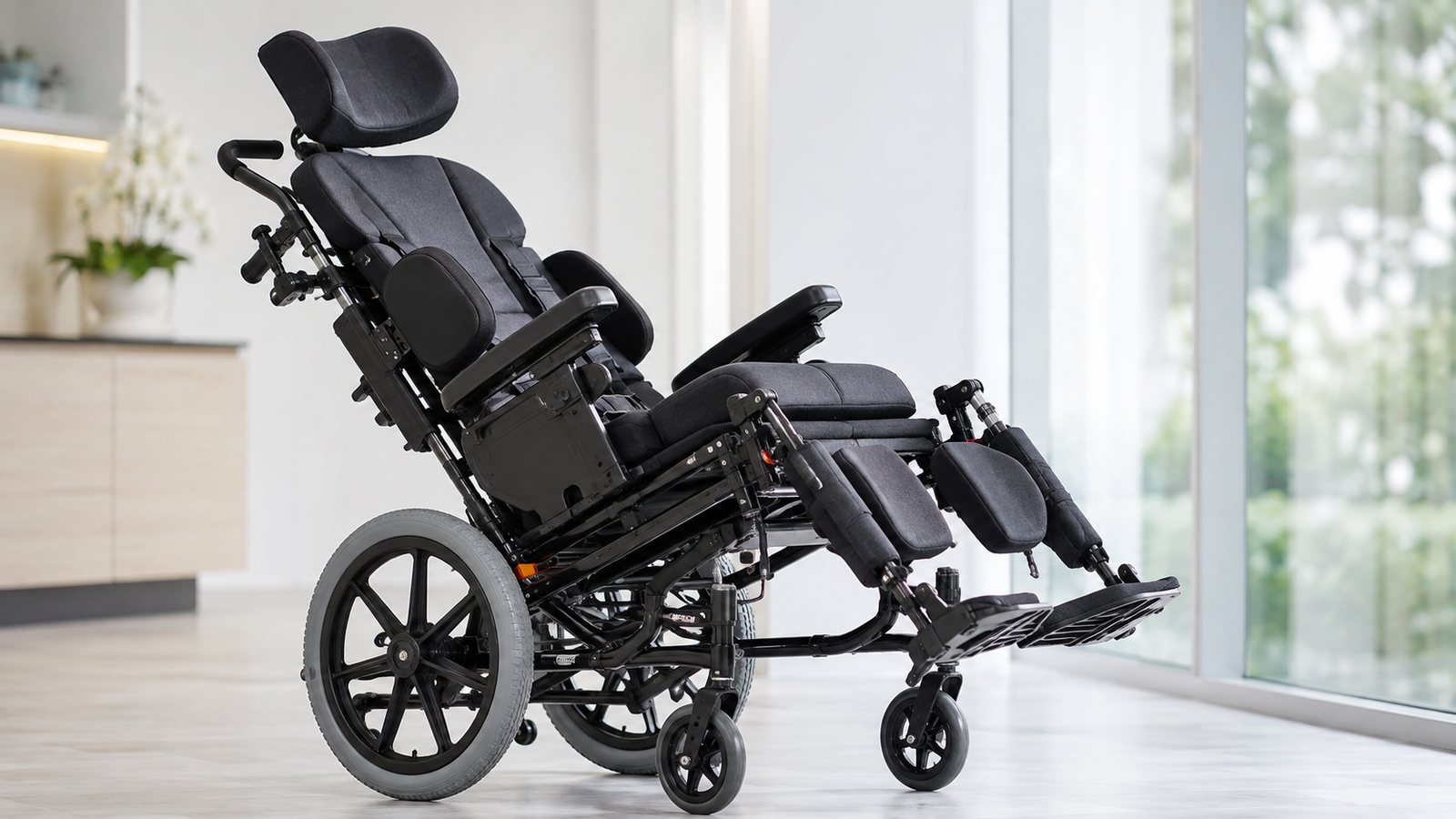
- QUICKIE Iris: Offers -5° to 60° tilt, configurable seating, and optional power tilt for position changes.
- BREEZY Cirrus G5: Adds 0° to 33° tilt, 0° to 35° recline, plus a sliding seat for transfer access.
Power Wheelchairs With Controls Matched to the User’s Abilities
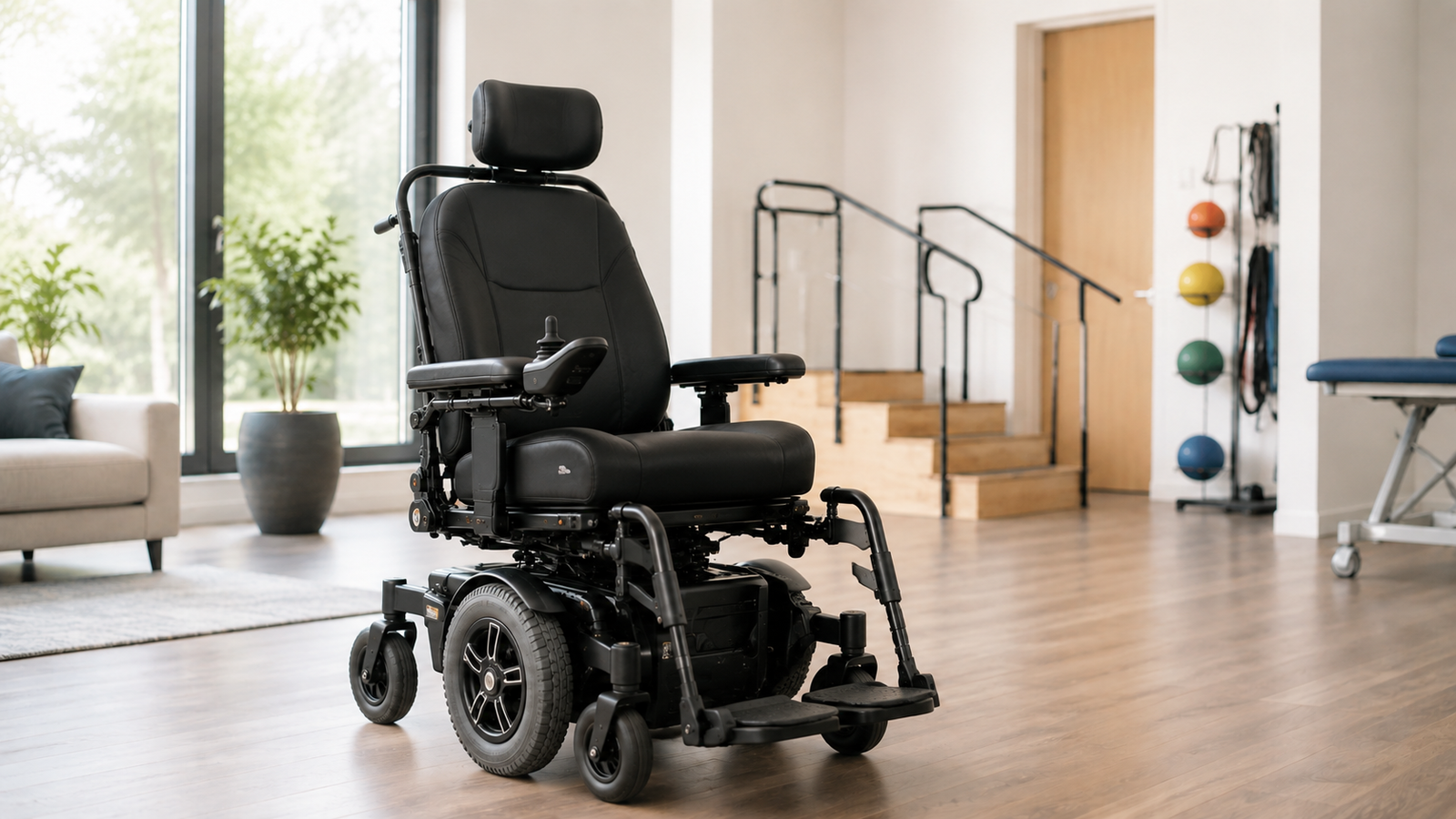
- QUICKIE Q300 M Mini: Provides 30° powered tilt, a 300 mm seat lift, adaptable electronics, and up to 36 km range.
Wheelchair Cushions for Pressure Distribution and Sitting Comfort
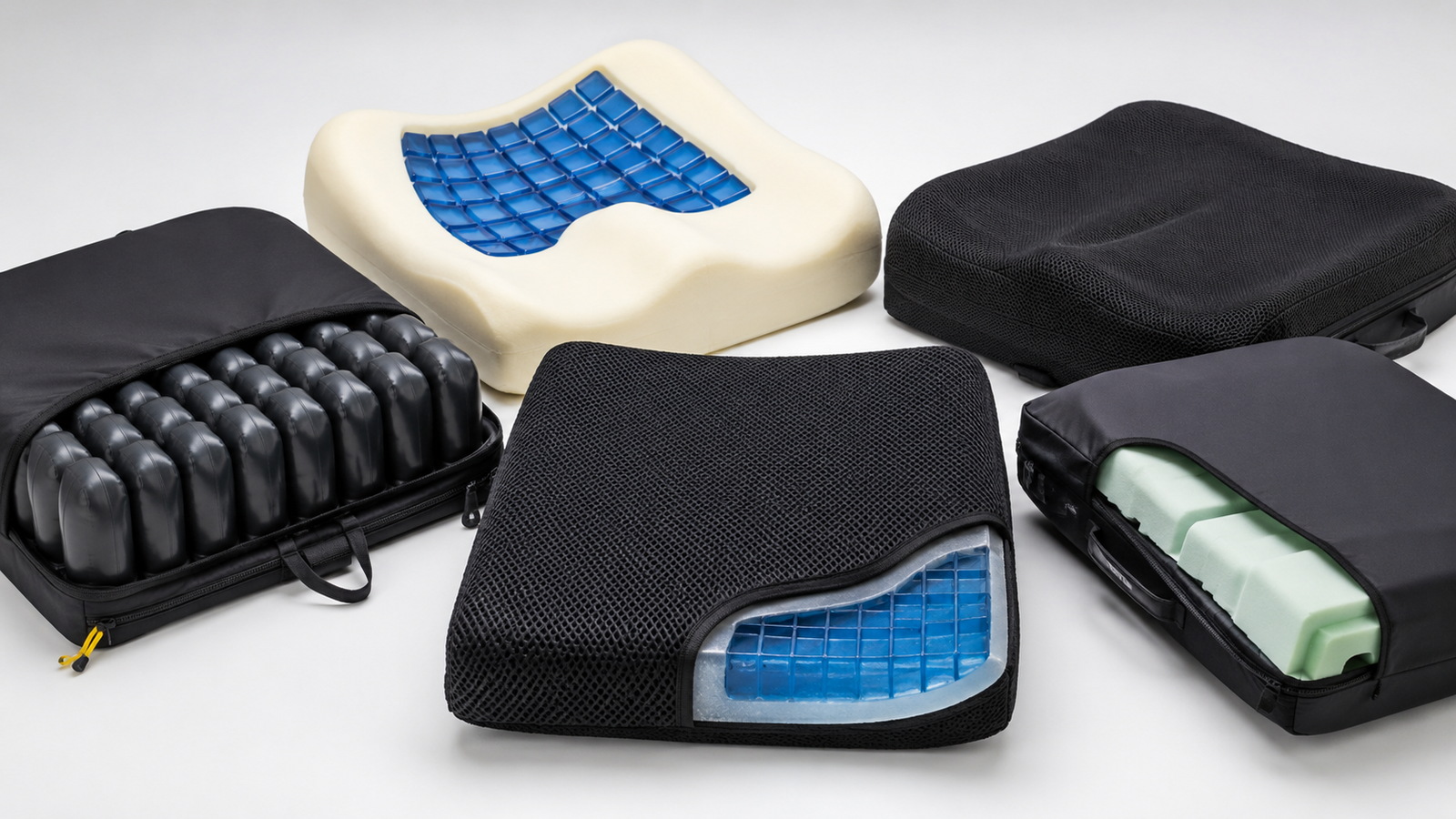
We work with JAY, Spex, and ROHO options using foam, gel, or air-cell designs. Our seating specialists can match cushion choice with posture, skin risk, and daily use.
When Should a Specialist Review a Wheelchair Setup?
Do not wait for a major problem. Skin redness, new shoulder pain, harder transfers, poor posture, swelling, or slower propulsion can justify a review.
A power wheelchair for spinal cord injury also needs review when hand control changes or the user starts struggling with the joystick. New home layouts, vehicle changes, or different work routines can affect suitability too.
Wheelchair transfer support may need another look after surgery, injury, weight change, or a change in caregiver help.
A 12-week mobile exercise programme involving 15 manual wheelchair users with spinal cord injury recorded an 81% adherence rate and an average satisfaction score of 39.8 out of 50.
That result says something useful. People follow routines better when the plan fits daily life. Wheelchair setup should follow the same logic. Equipment needs to suit the body, the environment, and the tasks done most often.
Conclusion
A wheelchair affects skin care, transfers, posture, shoulder load, movement, and access every day. Choosing a wheelchair for spinal cord injury should begin with assessment, not a quick online comparison. The best setup brings together seating, pressure management, control access, transfer needs, and simple maintenance checks.
At SCOOT, we assess the person first. Speak with SCOOT about seating, pressure care, powered mobility, or transfer needs, and we can help plan a suitable setup.
FAQs
What type of wheelchair is suitable for spinal cord injury?
The right chair depends on injury level, arm strength, posture, skin risk, transfers, home access, transport, and daily activity needs.
Why is pressure relief important for spinal cord injury wheelchair users?
Pressure relief protects sensitive areas during prolonged wheelchair use each day, as reduced sensation may mask skin damage.
What wheelchair features can help with safer transfers?
Daily transfers can be easier if there are removable armrests, swing-away footrests, firm brakes, an appropriate seat height, transfer boards, and sliding seats.
Should spinal cord injury users choose a manual or power wheelchair?
The choice depends on arm function, endurance, grip, posture, terrain, transport, home access, and safe independent control of the chair.
Why is a seating assessment needed before choosing a wheelchair?
It matches seat size, cushion, back support, foot position, posture needs, skin risk, and controls to the user’s body properly.