
Blogs & Events

How to Transfer Safely From Bed to Wheelchair: A Caregiver’s Guide
What happens when a simple move from bed becomes difficult for both you and the person you support? A poorly planned transfer can place extra strain on the shoulders, knees and lower back. A safer bed to wheelchair transfer technique starts with preparation, suitable equipment and the person’s current physical ability.
You should never treat every transfer the same way. Someone who can stand briefly may use a pivot transfer. Another person may need a sliding board, transfer belt or mechanical lift. Therefore, choosing the method before moving helps both people avoid rushed movements.
Start With the Person, Not the Wheelchair
Before moving anyone, check what they can do without heavy assistance. Ask whether they can sit upright, place both feet down, push through their arms or bear weight through either leg. Also check for dizziness, pain, weakness and any recent change in mobility.
A safe patient transfer depends on these details. For example, a person who stood yesterday may struggle today because of fatigue, illness or medication. Never force the previous method when their ability changes.
Next, look at the transfer direction. Moving towards the stronger side often gives better control when one side has greater strength. If the person cannot hold their trunk upright, seek guidance from a physiotherapist or occupational therapist before attempting manual transfers.
Scoot discusses similar mobility factors when explaining wheelchair selection for people with paraplegia, including seating, posture, armrests, footrests and transfer needs.
Prepare the Bed, Wheelchair and Floor Before Moving
Good preparation removes many avoidable problems. First, remove loose rugs, cables, footwear and nearby furniture. Keep enough room for you to stand without twisting your body.
Bring the wheelchair close to the bed. A position around 30 to 45 degrees often works for a standing pivot transfer, although the person’s ability should guide the final angle. Lock both brakes before starting.
Move footplates away from the person’s legs. Flip or remove the armrest when the wheelchair design permits it. Then adjust the bed height, if possible, so the person can place their feet firmly on the floor.
These steps belong in any useful caregiver lifting guide because preparation reduces last-second pulling and reaching.
The wheelchair also needs suitable dimensions. Seat height, cushion thickness, armrest type and footrest design can change the transfer route. Scoot’s guide to custom-built wheelchairs for rehabilitation explains why wheelchair configuration should follow the user’s physical and rehabilitation needs.
Step-by-Step Bed to Wheelchair Transfer Technique
The following sequence suits a person who can sit upright and take some weight through their legs. If the person cannot support weight or follow instructions, use another transfer method after professional assessment.
Position the Wheelchair Before the Person Moves
Place the wheelchair near the person’s stronger side where possible. Lock it first. Next, check that the chair cannot roll when weight reaches it.
A controlled bed to wheelchair transfer technique depends on reducing the distance between both surfaces. A large gap forces the person to reach, turn or step further than necessary.
Bring the Person Towards the Bedside
Help the person roll onto their side if required. Then guide their legs towards the bedside while they push through their arms.
Allow a short pause once they reach sitting. Some people feel light-headed after lying down. Their feet should reach the floor before you continue.
Prepare for Standing
Move close rather than pulling from arm’s length. Keep your feet apart and use a stable stance. Ask the person to move towards the front of the bed.
Avoid pulling under their arms. This can strain the shoulders and gives you poor control.
A transfer belt can offer a more secure grip when a clinician has recommended one. However, correct belt use still requires suitable training.
Support the Sit-to-Stand Movement
Ask the person to bring their nose forward over their toes. This forward movement shifts body weight towards the feet.
Use a count such as, “Ready, one, two, three.” Then allow the person to push from the bed rather than pulling on your neck or shoulders.
To prevent caregiver back injury, keep the person close to your body. Bend through your hips and knees instead of rounding your lower back.
Guide the Pivot Towards the Chair
Once standing, guide small steps towards the wheelchair. Avoid twisting your trunk while your feet remain fixed.
Move your feet with the turn. Keep the wheelchair close enough that the person does not need several large steps.
The bed to wheelchair transfer technique should stop immediately if their knees buckle, they become dizzy or they cannot support the planned movement.
Lower the Person Into the Seat
Guide the person backwards until they can feel the wheelchair against the backs of their legs. Ask them to reach for the armrest when they can do so safely.
Then lower them in a controlled way. Avoid letting them drop into the seat. After seating, restore the footrests and check their posture.
For wheelchair users with spinal cord injury, transfer access, armrests, seating and pressure care often require closer attention. Scoot covers these factors in its guide to wheelchairs for spinal cord injury.
Make Each Transfer Easier on the Person
Speed should never drive the transfer. Give short instructions and allow enough time for the person to respond. Someone who participates in each movement can often contribute more than when a caregiver tries to lift their full body weight.
These home caregiving tips can also help during repeated transfers:
- Use non-slip footwear and remove loose clothing that catches on equipment.
- Keep frequently used mobility equipment near the bed.
- Let the person complete movements they can perform safely.
- Avoid sudden pulling through the wrists, arms or shoulders.
- Stop when pain, dizziness, breathing difficulty or unexpected weakness appears.
Comfort also continues after the transfer. Check pelvic position, feet, back support and arm placement once the person reaches the wheelchair.
Choosing Aids for Bed to Wheelchair Transfer Technique
A standing pivot does not suit everyone. Transfer boards, belts and mechanical lifts serve different mobility levels.
A 2026 study involving 23 participants found that transfer-board use reduced cardiovascular load from 19.2% to 11.2%. Transfer time also dropped by 23.1%, while participants reported lower physical effort.
That finding makes equipment selection worth discussing when transfers require frequent physical effort.
Transfer Aid | May Suit | Main Point to Check |
Transfer belt | Person who can stand with assistance | Caregiver needs correct handling technique |
Sliding board | Person with sitting control but limited standing | Surfaces need suitable height and positioning |
Mechanical lift | Person unable to support enough body weight | Sling choice, space and trained operation |
Adjustable bed | Repeated home transfers | Height should support the planned method |
A transfer board wheelchair setup can reduce the distance a person needs to move. However, board placement, wheelchair brakes and skin protection require attention.
After selecting an aid, ask a therapist to check technique where possible. Equipment cannot correct poor body position by itself.
Avoid These Transfer Errors
Most transfer problems begin before lifting starts. Caregivers often rush because the move looks familiar. Yet fatigue, pain and mobility can change from one day to another.
Common errors include pulling someone by their arms, leaving wheelchair brakes unlocked, keeping footplates in the transfer path and standing too far from the person. Another frequent problem involves twisting while supporting body weight.
A second safe patient transfer check should happen immediately before movement. Ask whether the person feels ready and confirm the wheelchair position again.
The same rule supports preventing caregiver back injury. Move your feet when turning, keep the person’s weight near your centre and avoid trying to catch a falling person with your back.
Wheelchair Setup Can Change the Transfer Route
Two wheelchairs can require very different transfer methods. Seat height affects how much the person must rise or slide. Armrests can block lateral transfers. Footrests can reduce available space around the feet.
A transfer board wheelchair arrangement also works better when the board can bridge both surfaces without a large height difference. Meanwhile, cushions can raise the final seating height and alter transfer angles.
This is why a wheelchair should match more than body width. Posture, strength, transfer style, skin condition and home layout all affect the choice.
Scoot’s guide to quadriplegic wheelchairs covers tilt, recline, supportive seating and transfer-focused wheelchair features for people who need greater assistance.
Scoot Wheelchair Options for Easier Daily Transfers
We operate as the wheelchair, seating and mobility aids division of Ktwo Healthcare Pvt. Ltd. Our approach goes beyond selecting a wheelchair from a catalogue. Specialists consider physical condition, range of movement, skin risk, home layout, daily activities and seating requirements.
Our range covers standard, ultralight, power, sports, tilt-in-space and drive-assist wheelchairs. Seating options include cushions, backrests, headrests, harnesses, lateral supports and other positioning components.
We also works with international mobility and seating brands, including Sunrise Medical, JAY, SPEX and ROHO. Services extend to consultations, repairs, spare-parts support, home or office accessibility work and vehicle modifications.
For families, this creates one route from wheelchair assessment through seating and follow-up support. Therapist and family involvement can also guide product configuration when a person’s mobility needs require closer clinical input.
ELAN Ex Electric Transfer Wheelchair
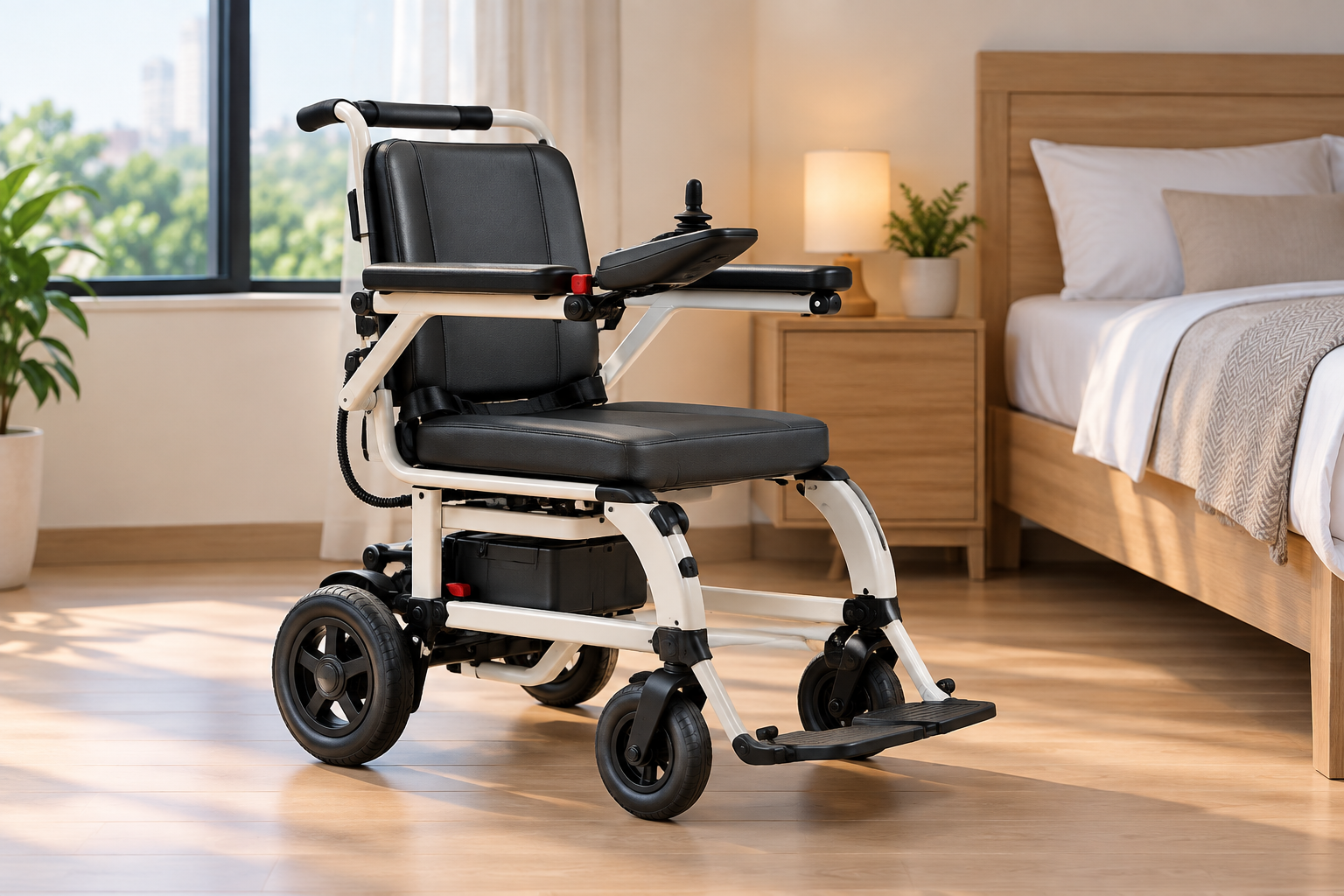
We position the ELAN Ex for indoor mobility and transfer use. Its foldable design and folding footrest can help when space around beds and furniture remains limited.
BREEZY Cirrus G5 Tilt-in-Space Wheelchair
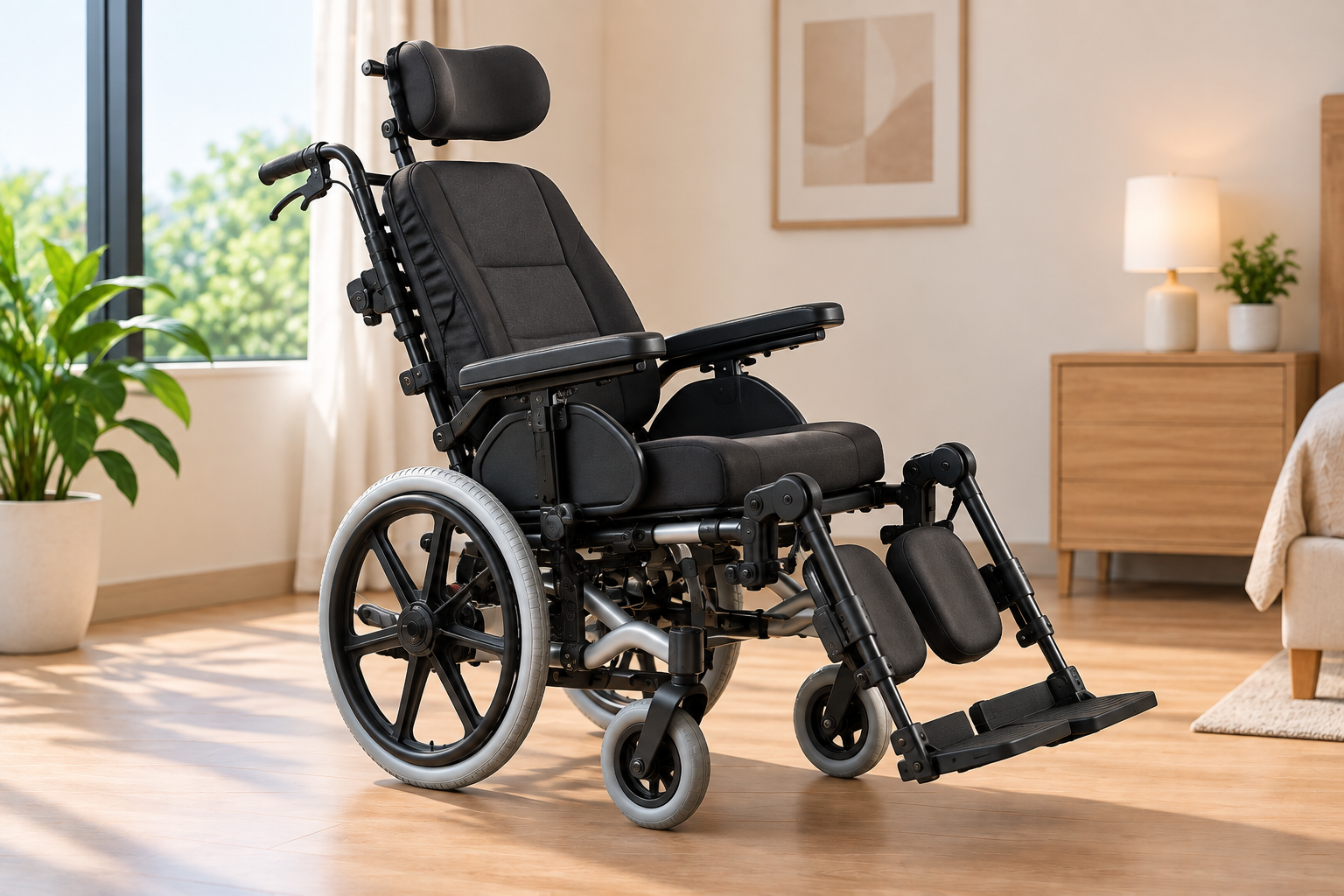
The BREEZY Cirrus G5 uses a sliding-seat design intended to support transfers. Flip-up armrests, adjustable legrests, tilt and recline also allow individual seating configuration.
BREEZY Style Manual Wheelchair
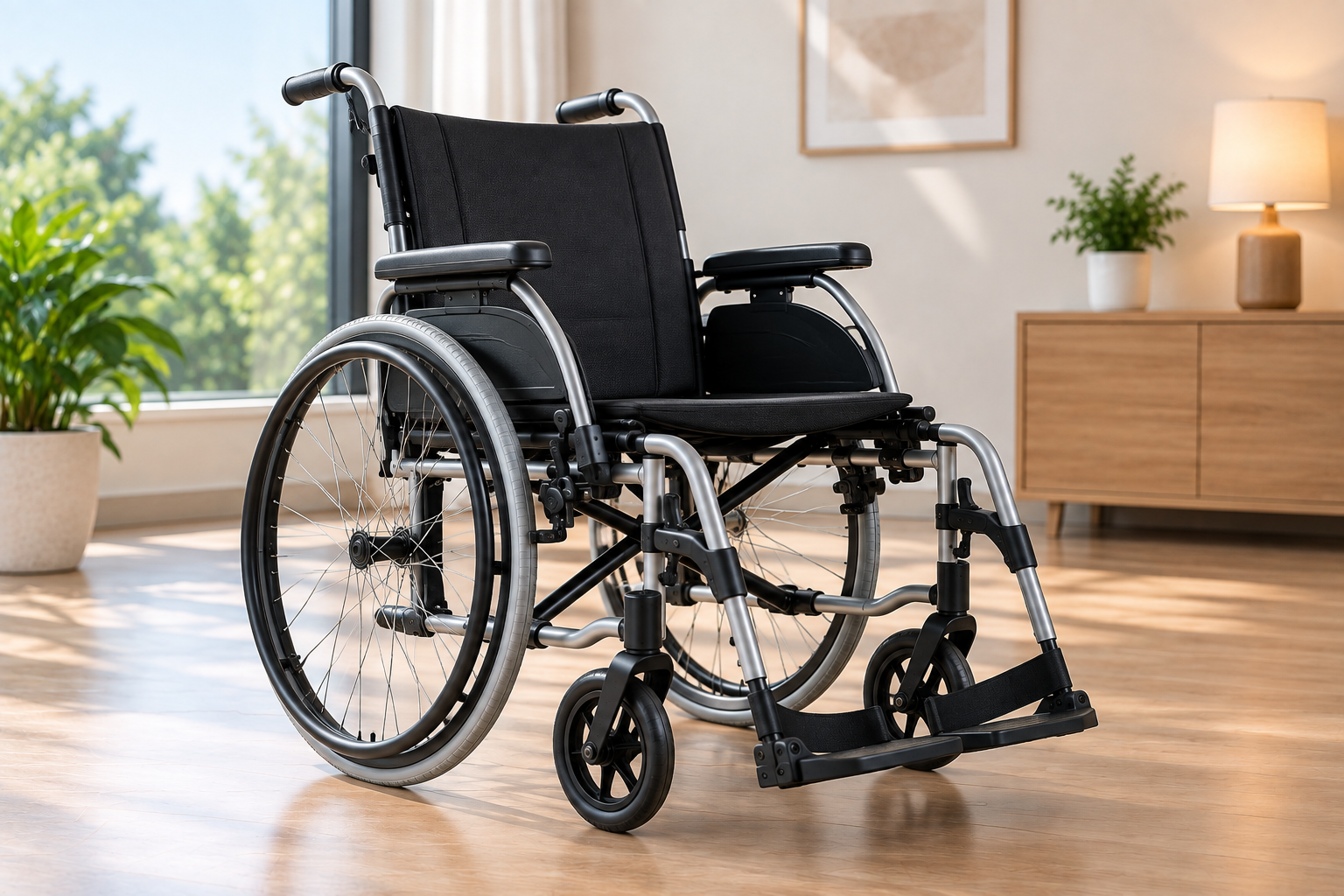
The BREEZY Style uses an aluminium frame with removable, folding footrests. Multiple seat widths, backrest choices and wheel configurations allow greater adjustment around individual mobility needs.
Know When Manual Transfer Is No Longer Suitable
Do not continue a manual transfer because it worked in the past. Seek an assessment when the person loses strength, develops pain, experiences repeated falls or can no longer follow transfer instructions.
The same applies when caregivers struggle to control the movement. A physiotherapist or occupational therapist can assess standing ability, trunk control, arm strength, balance and equipment needs.
A 2026 study of a powered no-lift wheelchair-bed transfer system reported caregiver usability scores of 82.5 versus 62.5 for existing methods. Wheelchair users scored it at about 83.8 versus 63.4, while mobility tasks recorded median ease-of-use scores above 8.5/10.
Those figures show why transfer method and equipment choice deserve regular review when physical demands increase.
Conclusion
Safe transfers start before anybody leaves the bed. Positioning, brakes, footrests, body mechanics and the person’s current ability all shape the outcome.
A useful caregiver lifting guide should also tell you when not to lift. Likewise, good home caregiving tips should support participation rather than forcing movement.
At Scoot, we help you review wheelchair, seating and mobility needs around your daily routine. Our team can assess suitable options when transfers, posture or wheelchair setup become harder to manage. Speak with us to find a wheelchair configuration that supports your bed to wheelchair transfer technique and everyday mobility needs.
FAQs
What Is the Safest Way to Transfer Someone From Bed to Wheelchair?
Assess their ability first, lock the wheelchair, remove footrests, position both surfaces closely and use the transfer method recommended for their mobility level.
What Equipment Makes Transfers Easier for Caregivers?
Transfer belts, sliding boards, adjustable beds and mechanical lifts can help. The suitable option depends on standing ability, trunk control and caregiver assistance available.
How Can Caregivers Avoid Injury During Transfers?
Keep the person close, move your feet while turning, avoid pulling through their arms and ask for equipment or professional help when required.
When Is a Transfer Board Recommended?
A transfer board may suit someone with adequate sitting control who struggles to stand but can assist with a lateral movement between surfaces.
Should Professional Training Be Taken for Patient Transfers?
Yes. A physiotherapist or occupational therapist can teach suitable body mechanics, equipment use and transfer methods based on the person’s physical ability.