
Blogs & Events

Wheelchair for Cerebral Palsy: What Parents Should Check Before Buying
Does your child look comfortable at first, then start leaning, sliding, or asking to leave the chair?
That pattern tells parents plenty. A wheelchair for cerebral palsy should do more than move a child between rooms. It should support eating, schoolwork, play, communication, travel, and rest at home. Check posture, pressure, transfers, growth, caregiver effort, terrain, and later adjustments. The better choice comes from matching the child’s body, movement, and daily routine with the seating setup.
What Parents Should Check Before Buying a Wheelchair for Cerebral Palsy
Start with the child, not the product list. A clinical team should check muscle tone, head control, pelvic position, hip range, spine shape, skin risk, arm use, and mobility goals.
Check Head, Trunk, Hip, and Pelvic Support for Steadier Sitting
Start at the pelvis. When it slides forward or turns, the trunk often leans and the head follows. A wheelchair for poor trunk control may need a shaped cushion, pelvic belt, lateral pads, firmer back support, or headrest.
Do not add every support available. Each part should solve one specific problem. Too much support can restrict reaching, hand use, communication devices, and play.
The seating team should show what each component changes. They should also check whether the child can move enough for useful daily activity.
Read SCOOT’s guide on Wheelchair Backrest & Lateral Trunk Supports for more on posture support.
Look for Tilt-in-Space and Recline Options for Easier Repositioning
Tilt and recline do different jobs. Tilt changes the angle of the full seating system. Recline opens the angle between seat and backrest. Test both with the child because tone, head control, hip movement, and breathing can respond differently.
A posture support wheelchair for children may use tilt during school hours, pressure relief, or rest breaks. Recline can support selected care tasks, but poor setup may cause sliding.
A July 2026 home-based power-mobility study included 12 parent-child pairs involving young children with cerebral palsy at GMFCS Levels IV–V. Researchers completed 24 interviews. Parents reported that coaching helped them bring powered mobility into everyday family routines. That detail points to something parents sometimes miss. Training belongs with the equipment.
See SCOOT’s Best Cerebral Palsy Wheelchair: Parent & Caregiver Guide for key wheelchair features.
Measure Seat Width, Depth, Back Height, and Footrest Placement
A few centimetres can change body position. Measure carefully, then check the child.
Area | What parents should check | What can go wrong |
Seat width | Hip width with suitable allowance | Extra width encourages side leaning |
Seat depth | Thigh support without pressure behind knees | Excess depth pushes the child forward |
Back height | Support without blocking shoulder movement | Excess height can restrict reaching |
Footrest height | Feet supported while thighs stay stable | Wrong height can disturb pelvic position |
A paediatric wheelchair should allow planned growth while fitting the child now. Buying several sizes larger usually reduces control. Ask which parts can expand later.
Choose Cushions and Positioning Supports That Help Reduce Pressure
Cushions can guide the pelvis, support thighs, spread pressure, and reduce sliding. Material also affects heat, cleaning, weight, and skin care.
When parents compare a wheelchair for cerebral palsy, they should ask why the clinician selected foam, gel, air, or a contoured cushion. The answer should connect with posture and skin needs.
Custom seating for cerebral palsy may help when standard parts cannot manage pelvic rotation, fixed asymmetry, severe leaning, or changing tone. A posture support wheelchair for children may also need lateral pads, a shaped back, headrest, or carefully placed straps.
Read How to Choose the Best Wheelchair Seat Cushion for You for cushion selection tips.
Test Transfers, Caregiver Handling, Folding, and Vehicle Transport
Move the child between bed, chair, toilet, classroom seat, and family vehicle when possible. A wheelchair for poor trunk control may need removable armrests, swing-away leg supports, firm brakes, and room for assisted transfers. Caregivers should try the push handles, tilt lever, wheel locks, and folding system themselves.
Parents comparing a wheelchair for cerebral palsy should also check transport details. Measure boot space, folded size, doorway width, and lifting weight. If the child travels while seated, ask about crash testing, tie-down points, and the restraint setup for that exact chair.
SCOOT’s Choosing the Right Mobility Aid in 2025 explains mobility options for different needs.
Review Growth Adjustments, Controls, Terrain Use, and Maintenance Needs
A chair may need new dimensions, different controls, or extra support later. For a paediatric wheelchair, check adjustments for seat depth, width, lower-leg length, back height, arm support, and foot position. Then look at tyres and castors against Indian conditions. Uneven pavements, narrow apartment lifts, broken road edges, school ramps, and wet surfaces expose poor choices quickly.
For powered mobility, test joystick reach, alternative controls, turning space, charging, battery access, and caregiver controls. Custom seating for cerebral palsy should remain compatible with future changes.
A wheelchair for cerebral palsy also needs a service plan. Ask who handles tyres, batteries, upholstery, loose parts, repairs, and later seating changes.
How SCOOT Helps Families Choose a Cerebral Palsy Wheelchair
SCOOT is the wheelchair and mobility division of Ktwo Healthcare Pvt. Ltd. We work with wheelchair seating, positioning, mobility accessories, and assessment-led configuration instead of treating every child as one standard size.
Our range covers basic, intermediate, and advanced seating needs. We also support families with fitting choices, repairs, spare parts, and post-purchase service.
Key SCOOT strengths include:
- Clinical seating assessment linked with wheelchair selection
- Growth-adjustable and tilt-in-space choices
- Cushions, backrests, headrests, harnesses, and lateral supports
- Access to international wheelchair and seating brands
- Repair support and spare-part availability
QUICKIE IRIS Tilt-in-Space Wheelchair
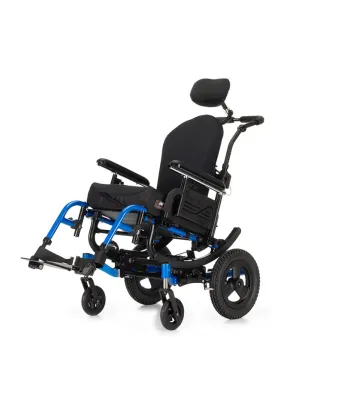
QUICKIE IRIS suits users who need tilt-based repositioning, several seating options, and caregiver-friendly adjustment.
BREEZY Cirrus G5 Tilt-in-Space Wheelchair

BREEZY Cirrus G5 combines tilt and recline features with an adjustable seating platform for supported daily positioning.
Participant Cub Supportive Stroller
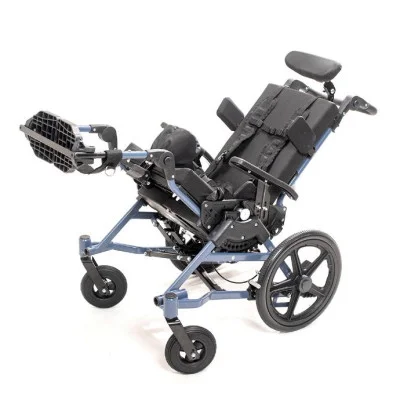
Participant Cub gives families a lighter supportive mobility option with growth adjustment, folding convenience, and configurable positioning features.
Final Wheelchair Checks Before Parents Make a Purchase
Before ordering, let the child use the trial chair for actual tasks. Ten quiet showroom minutes tell you little. Ask the child to reach, eat, write, use a communication device, rest, turn, and transfer.
Check the quotation line by line. It should list the frame, cushion, backrest, head support, lateral pads, belts, footrests, wheels, tray, controls, and transport accessories discussed during assessment.
Ask who will review fit after delivery. Growth, tone, or posture may change before the chair looks small. The final choice should connect posture, movement, school use, transport, caregiver handling, service access, and future adjustment. If one area remains uncertain, ask for another trial.
Conclusion
Buying a wheelchair for cerebral palsy should not feel like choosing from a shelf. The child’s posture, movement, care routine, school day, transport, and growth need one workable setup. At SCOOT, we can help families compare suitable wheelchair and seating options, review positioning needs, and plan a configuration that works for daily use and later changes.
FAQs
What type of wheelchair is suitable for children with cerebral palsy?
The best choice depends on posture, movement, tone, growth, transfers, daily activities, and whether manual or powered mobility fits goals.
Why do children with cerebral palsy need posture support in a wheelchair?
Posture support can steady the pelvis and trunk, improve head position, protect pressure areas, and free the arms for activity.
What should parents check before buying a cerebral palsy wheelchair?
Parents should check fit, seating supports, growth range, transfers, transport, terrain, controls, service access, and the child’s daily routine carefully.
Can a standard wheelchair support a child with poor trunk control?
Sometimes. Many children need added pelvic, lateral, back, head, or cushion support chosen through a proper seating assessment before purchase.
How often should a child’s wheelchair fit be reviewed?
Review fit after growth, posture changes, discomfort, skin problems, functional changes, or therapist advice rather than waiting for chair replacement.