
Blogs & Events

Wheelchair for Stroke Patients: How to Choose the Right One
How will you move between your bedroom and dining area after stroke? Choosing a wheelchair for stroke patient care starts with that everyday journey. Your stronger arm may manage pushing, but weakness on the other side changes steering and transfers.
At SCOOT, we approach wheelchair selection through your abilities and home routine. You need seating that supports your body while leaving useful movement available. Your rehabilitation team should assess balance and vision alongside strength. Then a product trial should test those findings beyond the consultation room.
Assess Your Needs Before Selecting A Wheelchair For Stroke Patient Care
Begin with tasks you want to manage and the assistance available. Discuss fatigue after meals, bathroom access and transport to appointments. Also explain whether a family member will push your chair or assist with transfers.
Treat stroke recovery mobility aids as equipment that needs reassessment as abilities change. Ask your therapist to document your current needs, then arrange fitting, training and follow-up.
Compare Pushing Effort With Powered Control
During a wheelchair assessment for stroke patients, test sustained movement rather than a short push. A hemiplegic wheelchair configuration may allow propulsion using your stronger hand and foot. However, seat height must permit foot contact without sacrificing support.
A one-arm drive wheelchair links propulsion controls for operation from one side. Ask for a demonstration because mechanisms differ, and steering still requires practice. Compare the effort with a power chair if shoulder strain or fatigue limits distance.
Powered movement also requires assessment of vision, attention and stopping ability. If you overlook obstacles on your affected side, your therapist may introduce visual scanning training. A motor does not remove that assessment requirement.
Measure Your Body Before Comparing Seat Sizes
A wider seat creates more space, but excess width increases reaching distance. Meanwhile, a narrow seat presses against your hips. Your assessor should measure hip breadth in your usual clothing and check wheel access during a trial.
Seat depth needs equal attention when fitting a wheelchair for stroke patient care. The seat should support your thighs without pressing behind your knees. Include the cushion during measurement because its height changes footrest positioning and transfer height.
If you compare a wheelchair for paralysis patient use, avoid selecting dimensions from a diagnosis alone. Muscle tone and joint movement affect the fit. Your assessor should check both sides because stroke may create different positioning needs.
Record the measurements before discussing frame options with our team. Our wheelchair sizing guide explains how width and depth affect posture.
Support Your Trunk Without Pulling Your Shoulder
If you lean sideways, start with the pelvic position before adding upper-body supports. A wheelchair for weak side support needs more than a taller backrest. Your clinician should check how your pelvis, trunk and affected arm interact.
During a wheelchair for a stroke patient, discuss these components together. Each component needs adjustment around your remaining movement:
- A shaped backrest supports your trunk from behind; lateral pads address sideways leaning after assessment.
- A suitable arm trough or lap tray supports your affected forearm. Avoid leaving your arm hanging or pulling it during repositioning.
A hemiplegic wheelchair setup should support your affected side without blocking useful reach. Compare support positions in our backrest and lateral trunk support guide, then review them with your therapist.
Match Cushions And Tilt To Your Pressure Needs
Softness alone does not establish a suitable cushion. Your assessor should consider skin history, posture and your ability to change position. Also discuss moisture management and who will maintain an air-cell cushion if you choose one.
Tilt-in-space moves the seat and backrest together while preserving their relative angle. Recline opens the angle between them. Although both change position, they perform different tasks, and recline may encourage sliding in some users.
Ask your clinician to demonstrate an individual pressure-management routine. Include assisted weight shifts if you cannot reposition without help. Inspect your skin as your care team advises, and seek advice about persistent redness or skin changes.
Compare the movements during a seating trial rather than choosing from photographs. Our tilt-in-space and reclining wheelchair comparison explains what changes at your hips and back.
Plan Transfers Around Your Current Ability
Transfers need their own assessment when choosing a wheelchair for paralysis patient care. Ask your therapist whether a standing transfer, transfer board or hoist matches your current ability. Family members need instruction in the chosen method.
Check the chair beside your bed during the trial. Then confirm how each component affects the transfer:
- Check that you or your helper can operate the parking brakes. Ask about brake extensions if reaching the standard lever causes difficulty.
- Compare removable armrests and swing-away footrests. Move obstacles aside as your therapist instructs, and never stand on footplates.
Avoid pulling your affected arm while changing position or assisting a transfer. Your therapist should teach shoulder protection alongside the transfer method.
Practise the method with trained supervision before repeating it at home. Share our bed-to-wheelchair transfer guide with your caregiver to support that conversation.
Test A Wheelchair For Stroke Patient Care Inside Your Home
Measure the narrowest usable doorway opening, then compare the chair’s overall width. Include arm supports and controls because seat width alone will not establish access.
Home area | What to test |
| Bedroom | Turning beside the bed and approaching the transfer position |
| Bathroom entrance | Doorway access and footrest space during turns |
| Dining area | Knee space and access beneath the table |
| Lift | Entry, turning space and assistance requirements |
| Charging area | Socket access and cable placement for a powered chair |
During the trial, check a wheelchair for weak side support through turns and stops. Also test a one-arm drive wheelchair along your usual route before committing to its control system.
Include your caregiver when checking ramps and vehicle loading. Discuss maintenance access and a backup mobility plan if repairs interrupt use.
Explore SCOOT Assessment And Product Options
At SCOOT, our specialists train in biomechanics, medical conditions and wheelchair engineering. We combine personalised clinical care with custom-built wheelchair options and seating accessories.
- Our range covers standard, ultralight, powered and tilt-in-space chairs, plus limb supports and seating. We partner with Sunrise Medical and offer JAY, Spex and ROHO cushion options.
- Speak to your local SCOOT branch to arrange a consultation or try a product. Our representatives also coordinate repairs and spare parts. For warranty coverage, check the manufacturer’s terms for your product.
Your assessment gives us a basis for comparing product options. Once you have shortlisted a model, confirm its exact setup and availability with our team before ordering.
Consider Supported Position Changes With QUICKIE IRIS
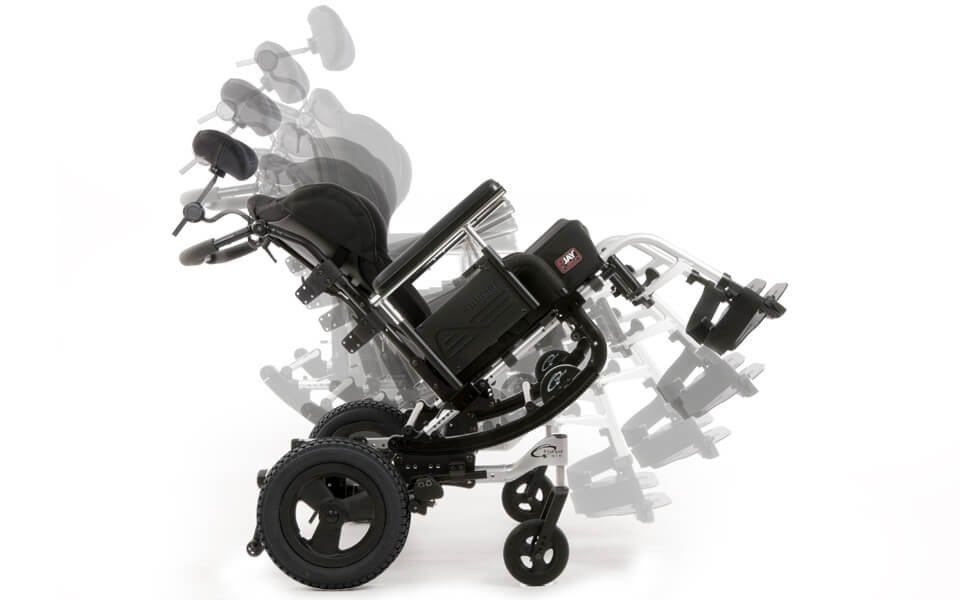
During your QUICKIE IRIS trial, review the seating adjustments and ask how your caregiver will operate the chair. Include its tilt-in-space function in that discussion so you know how it changes your position.
Compare Compact Powered Movement With QUICKIE Q300 M Mini
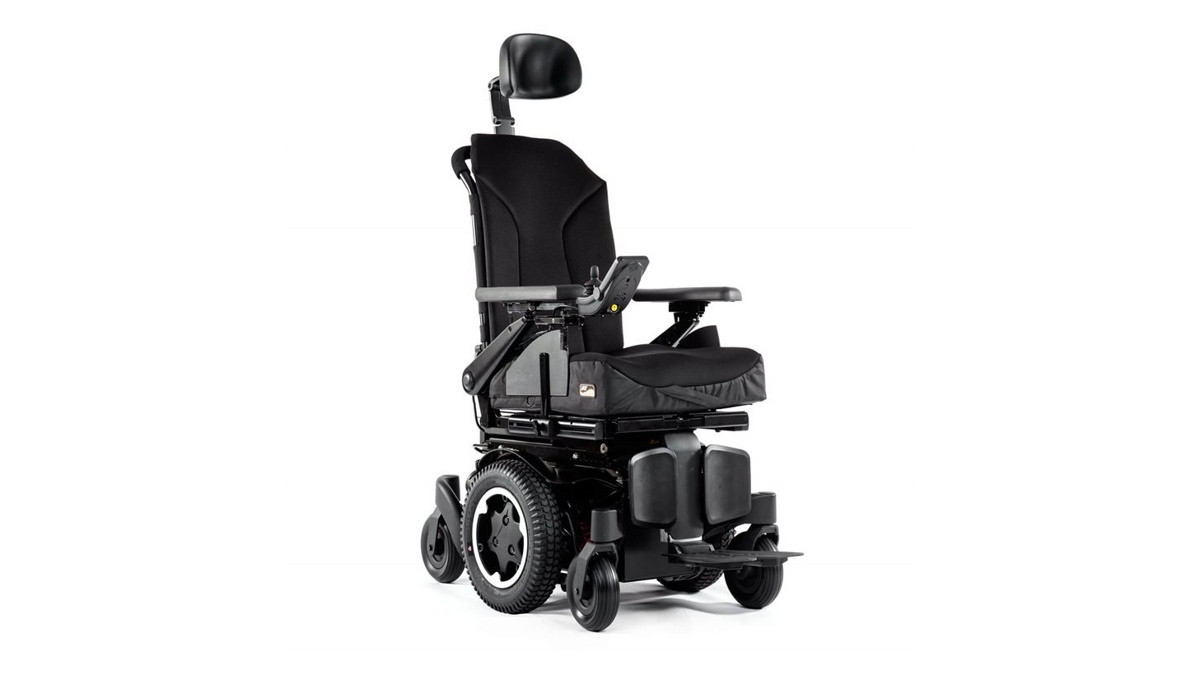
With the QUICKIE Q300 M Mini, you get adjustable seating on a powered chair that uses mid-wheel drive. Check access using your proposed configuration.
Trial Alternative Operation Through SWITCH-IT Power Controls
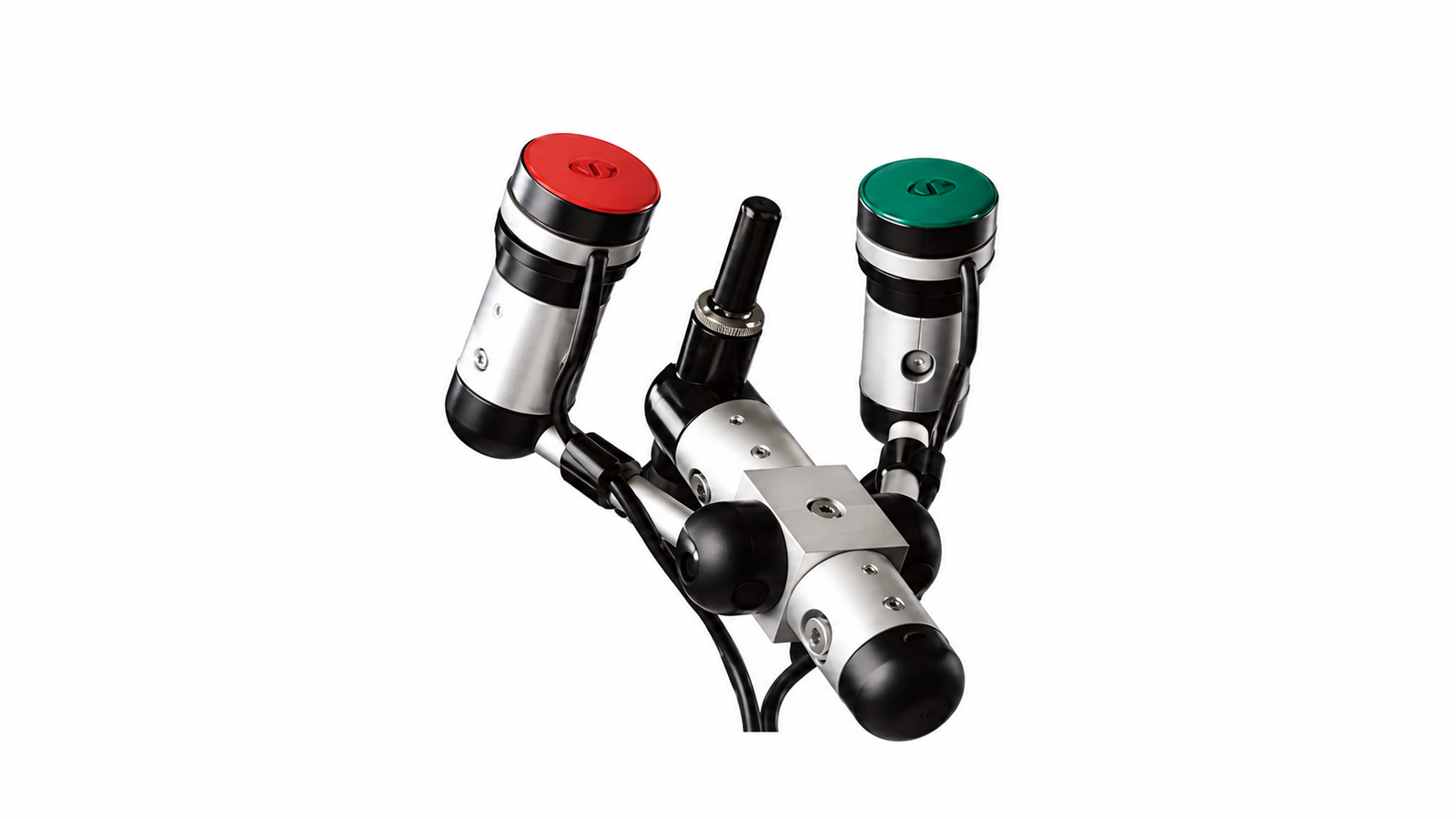
SWITCH-IT Power Controls include alternative joysticks and head controls. Compatibility and safe operation require assessment before fitting.
Conclusion
Select a wheelchair for stroke patient care through assessment, fitting and supervised practice. Review stroke recovery mobility aids as your abilities change, rather than assuming your first setup will remain suitable. Bring your home measurements and rehabilitation recommendations, then contact our SCOOT team to arrange a consultation and product trial.
Frequently asked question
1. Which wheelchair is best for a stroke patient?
Your assessment should guide selection, including strength, balance, skin needs and home access. Trial suitable manual or powered options with your therapist before deciding together.
2. Can a stroke patient use a wheelchair with one hand?
Some people use linked manual drives or powered controls with one hand. Your therapist should assess steering, stopping, vision and fatigue during supervised wheelchair trials.
3. Do stroke patients need special seating or support?
Some need cushions, shaped backrests or arm supports after assessment. Your clinician should check pelvic position, shoulder protection and skin needs before recommending suitable components.
4. When can a stroke patient move from a wheelchair to walking aids?
Your rehabilitation team should assess balance, strength, endurance and falls risk. You may continue using a wheelchair for longer journeys while practising walking with supervision.
5. Is a manual or power wheelchair better after a stroke?
Manual chairs require suitable propulsion ability or caregiver assistance. Powered chairs require safe control skills, charging arrangements and access; compare both through assessment and trials.