
Blogs & Events
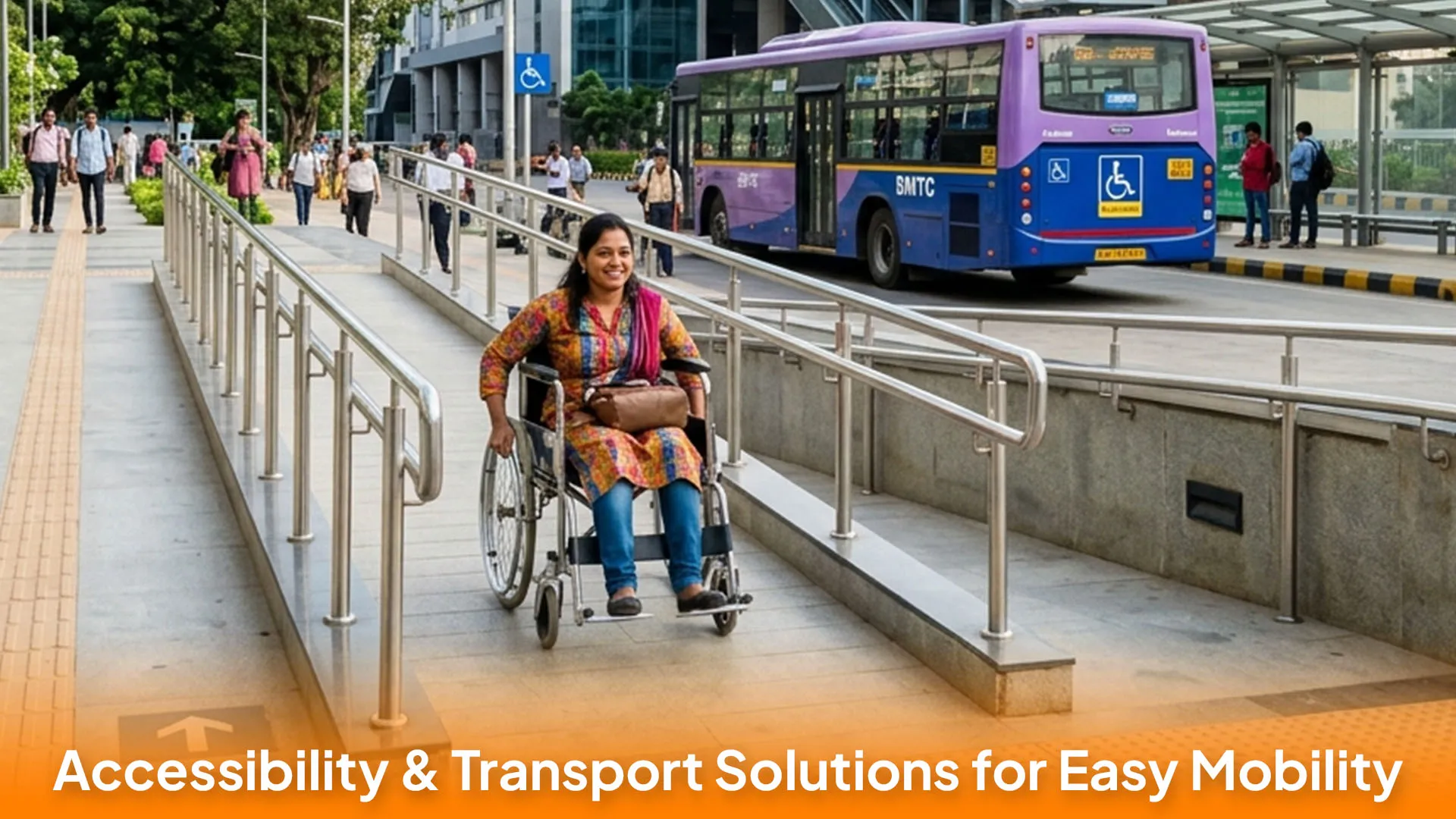
Accessibility & Transport Solutions for Easy Mobility
Have you watched a simple trip turn into a full-day task for you? That gap is where accessibility and transport solutions change daily life in India. They support movement at home, at work, and across public spaces. They also reduce fatigue, pain triggers, and caregiver load. When you plan mobility like a system, you gain freedom, safety, and time.
You stop cancelling plans because the route feels risky. You spend less energy on transfers and more energy on living. You also build a routine that stays steady, even on crowded days.
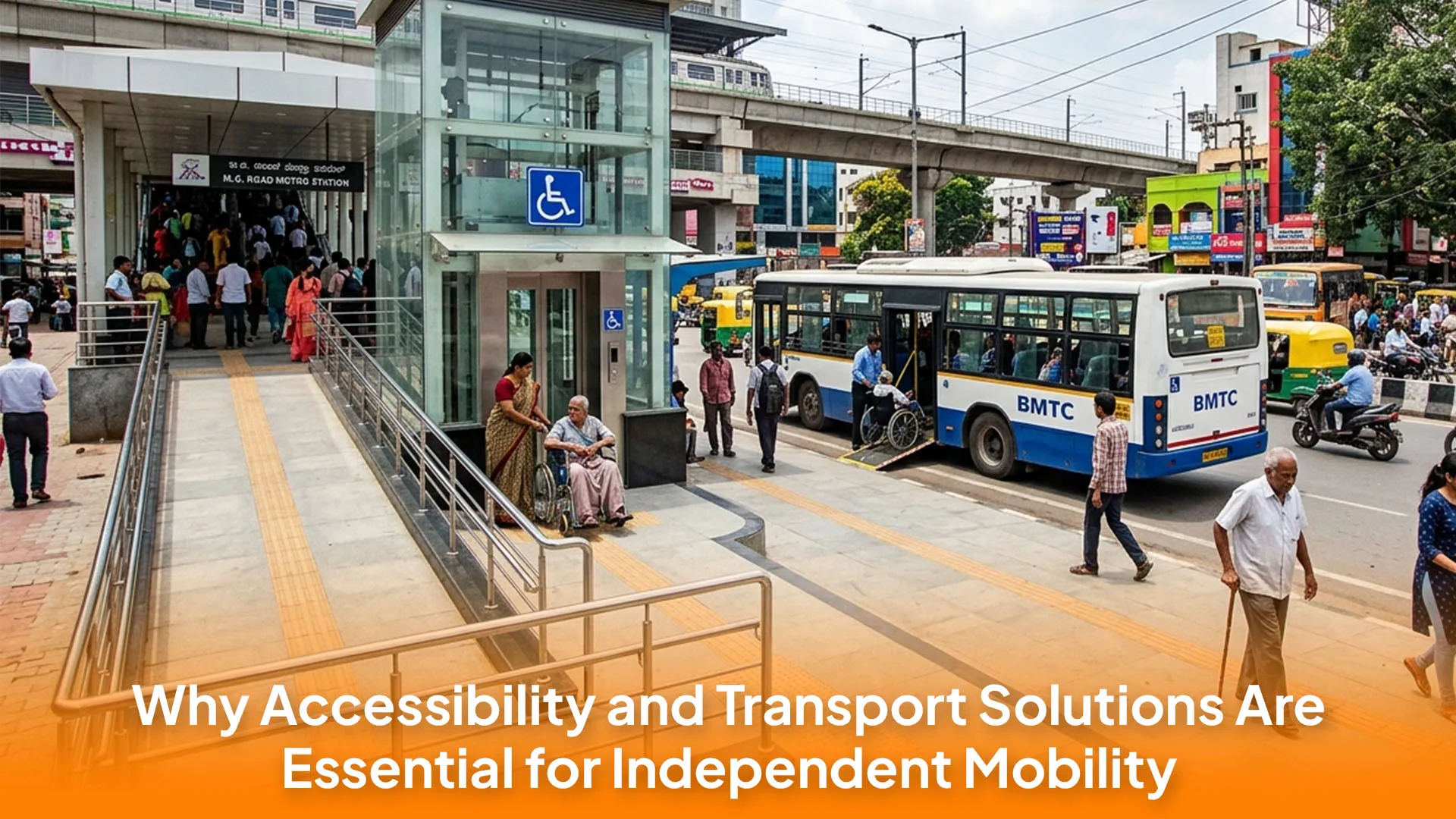
Why Accessibility and Transport Solutions Are Essential for Independent Mobility
Independence starts with access. Steps, narrow doors, uneven footpaths, and rushed commutes create barriers. You face those barriers more in Indian cities due to mixed infrastructure and crowded transit.
Research on disability and transport indicates that 20–25% of public transport passengers experience some form of mobility limitation, including disabilities, age-related conditions, carrying luggage, or travelling with children.
That number explains the real market. This need covers elders, stroke recovery, spinal injuries, arthritis, and temporary fractures. It also includes parents with prams and travellers with bags.
Good mobility transport services do more than shift a person. They protect posture, manage transfers, and keep schedules stable. You also need disabled transport support that fits real conditions, not brochure conditions. That means ramps that align, lifts that work, and staff who follow safe handling.
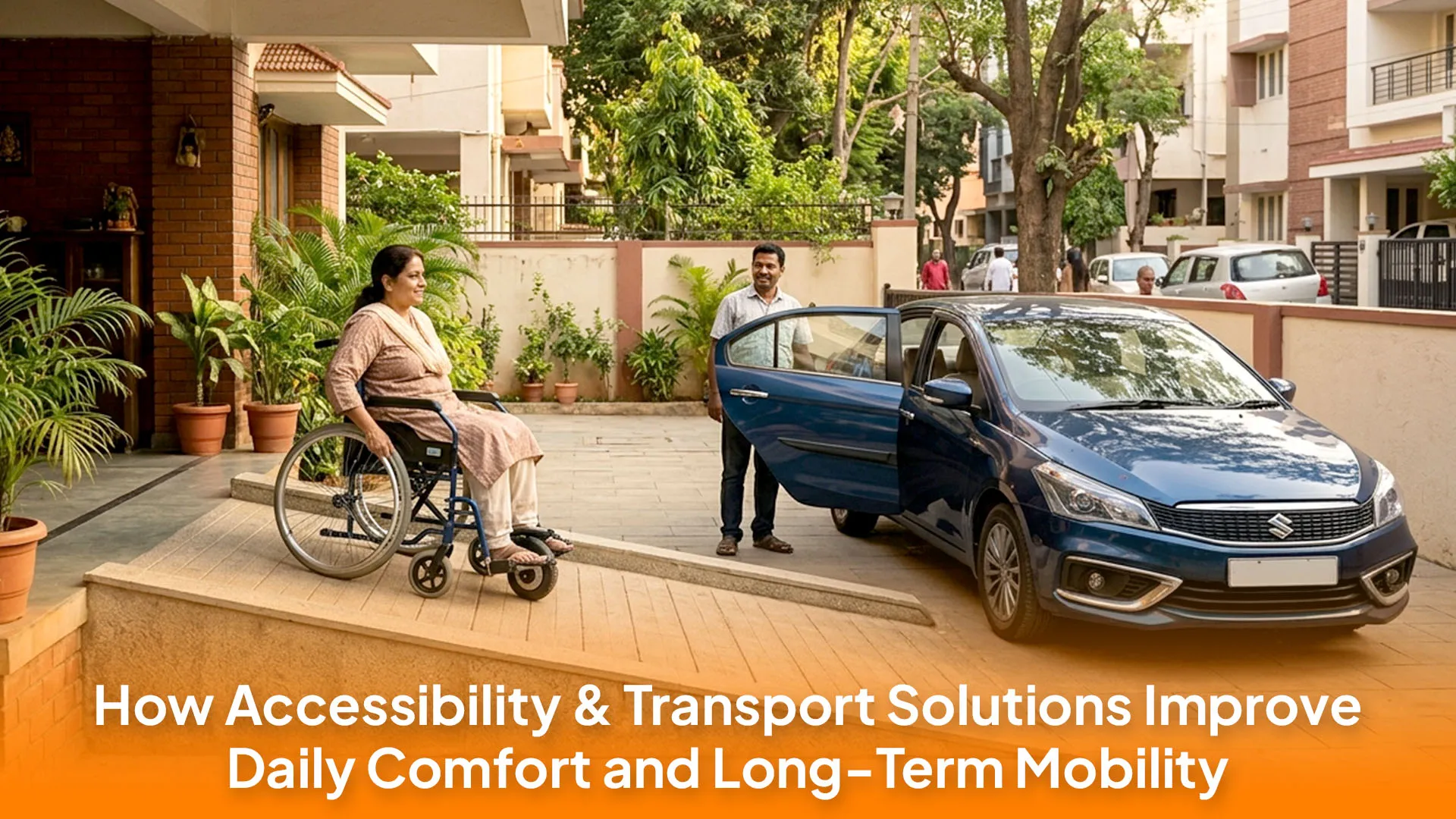
How Accessibility & Transport Solutions Improve Daily Comfort and Long-Term Mobility
Comfort does not come from one device. Comfort comes from fit, routine, and the environment. You build value when you reduce strain each day. You also reduce secondary issues like pressure sores, shoulder overload, and falls.
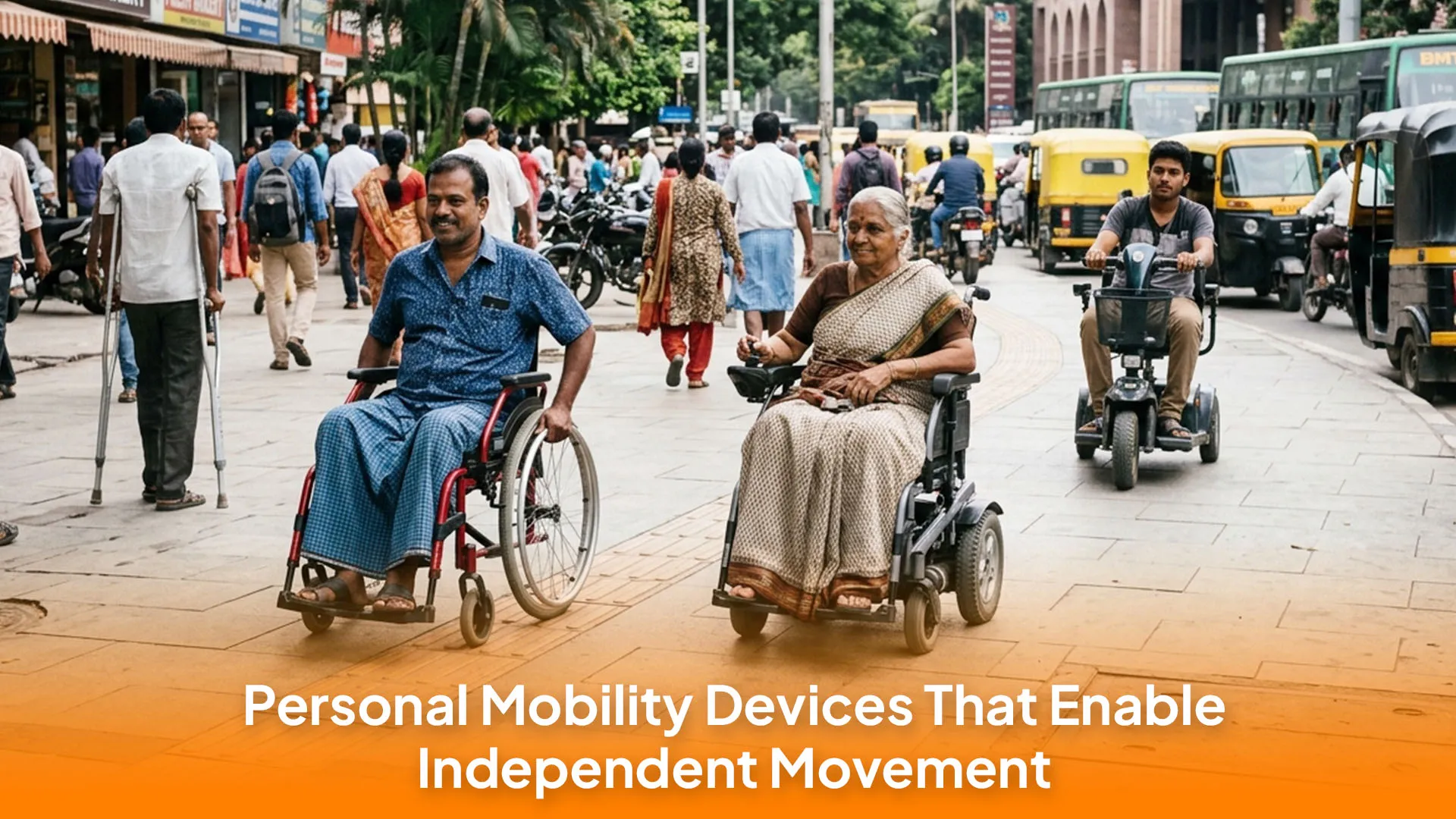
Personal Mobility Devices That Enable Independent Movement
Start with your core device. A manual wheelchair needs the right axle position and seat width. A powered wheelchair needs stable torque and safe braking. Your choice depends on home space, travel routes, and upper-limb strength.
Pair the chair with accessibility aids equipment like cushions, lateral supports, and transfer boards. These tools protect posture during long sits. They also support safer transfers into cars, autos, and building lifts.
If you travel often, choose frames that handle rough surfaces. Choose tyres and casters that resist vibration. Small changes here reduce pain by evening. We see this pattern often when we fit chairs for office travel.
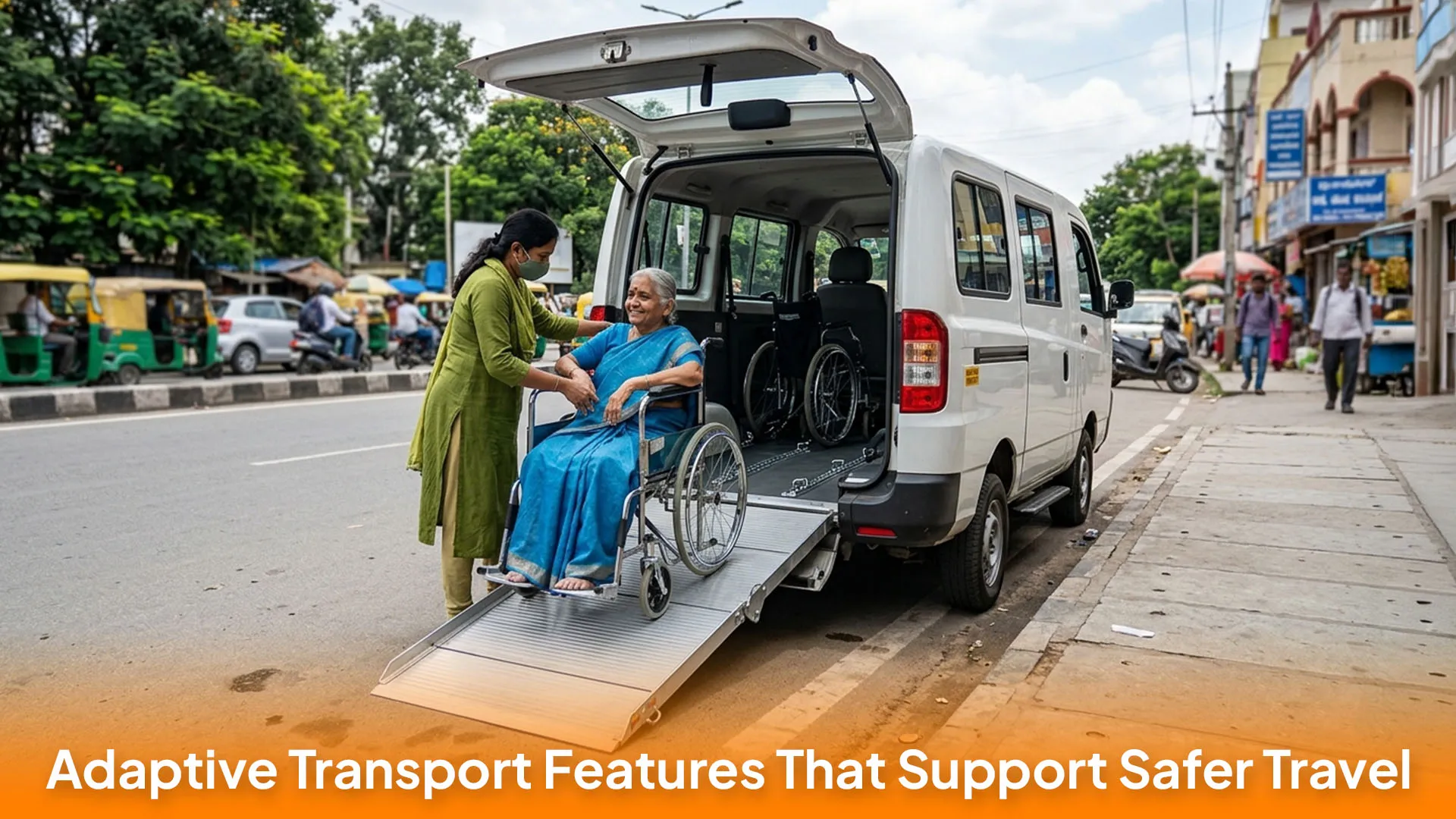
Adaptive Transport Features That Support Safer Travel
Transport fails when the transfer fails. You need a clear plan for curb height, vehicle entry, and seat height. Adaptive features make this plan work.
Look for vehicles with a wide door angle. Look for low floors or step assists. Use anchor points for wheelchairs. Add grab rails that support one-handed holds. Train family members on transfer sequences.
A Times of India report showed that Nagpur Metro assisted over 2,200 specially-abled passengers in one year, supported by features like elevators, wheelchair ramps, tactile walkways, and dedicated train spaces.
That example shows what good access looks like in public systems. You still need last-mile support near stations. This is where mobility transport services and caregiver planning meet.
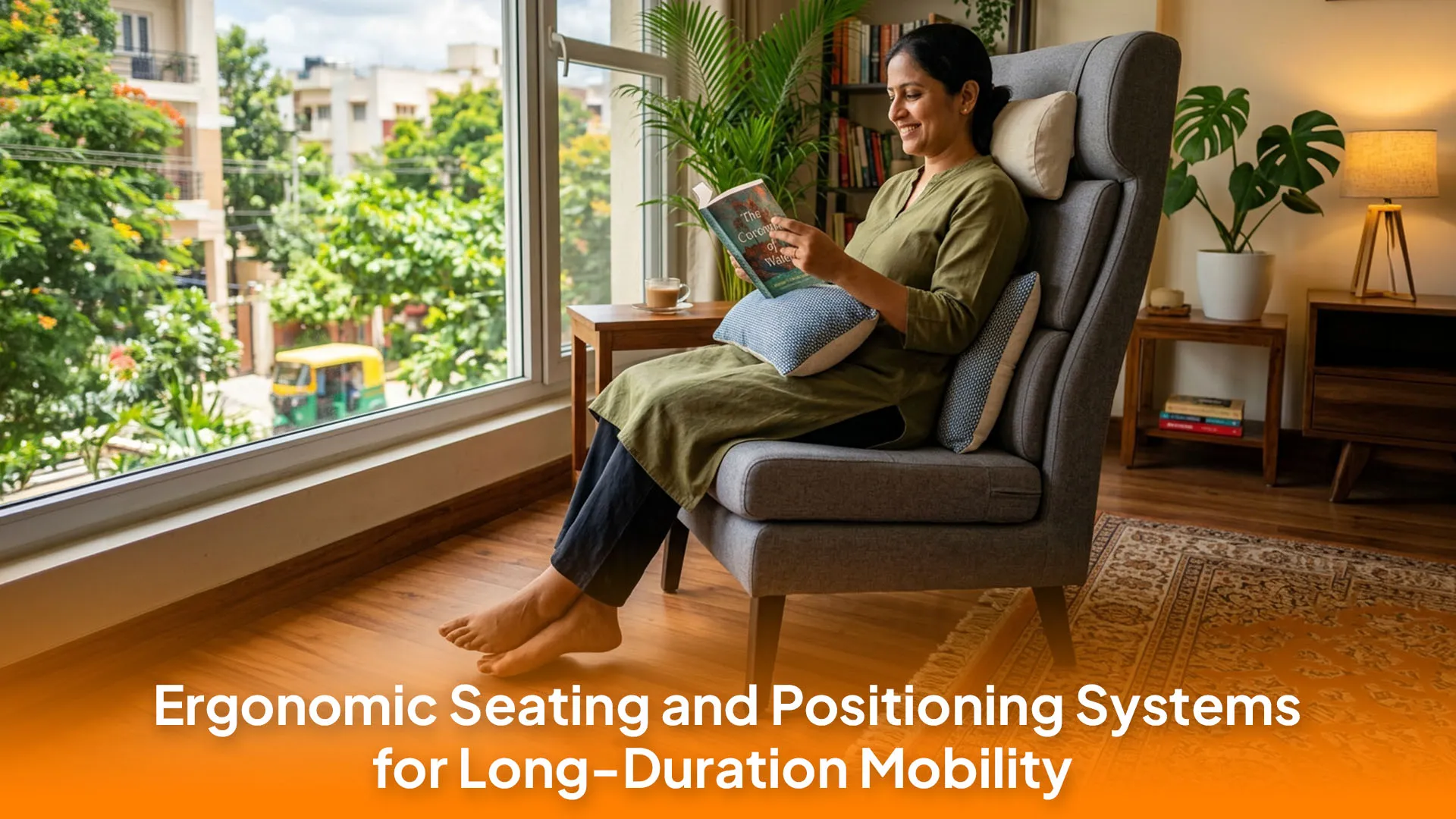
Ergonomic Seating and Positioning Systems for Long-Duration Mobility
Seating drives comfort and health outcomes. Poor seating compresses tissues and shifts the pelvis. Over time, that leads to pain and skin risk.
Focus on pelvic stability first. Then support the trunk. Then align head position. Choose cushions that match your skin risk level. Choose backrests that match your trunk control. If you sit for hours, manage heat and friction too.
Use accessibility aids equipment like pressure-relief cushions and supportive back systems. This setup helps you stay active longer. It also reduces clinic visits for preventable issues.
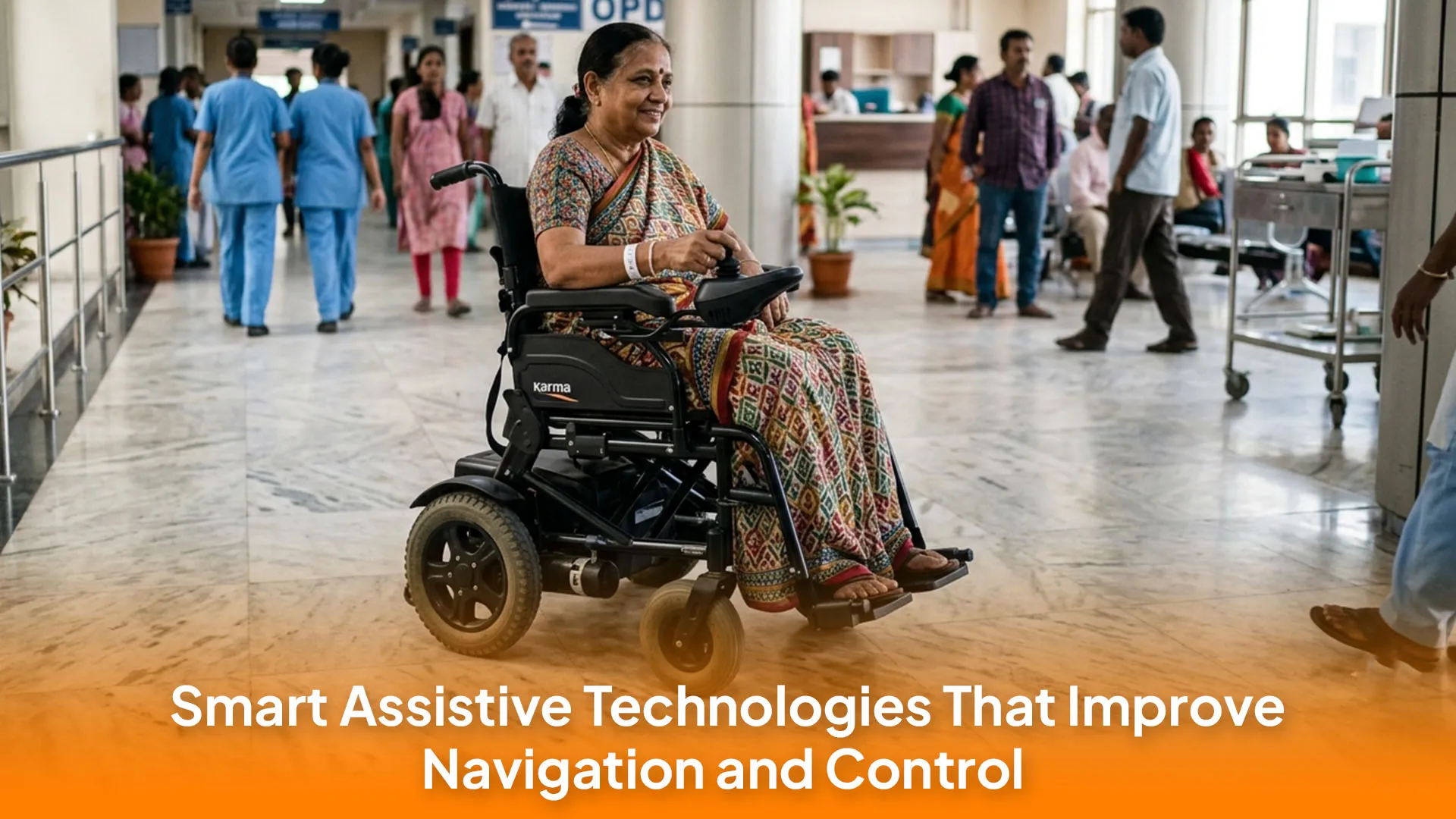
Smart Assistive Technologies That Improve Navigation and Control
Smart does not mean complex. Smart means predictable control. Power mobility needs stable acceleration and controlled turning. Add programmable settings for indoor and outdoor use.
Consider joystick positioning, switch controls, and attendant controls. Choose battery ranges that match your daily routes. Choose chargers that fit Indian power realities.
Many families ask for mobility assistance solutions that reduce caregiver strain. A powered base with safe control can do that. So can an attendant control tight areas. You gain safer navigation in lifts, corridors, and shop aisles.

Home-to-Community Mobility That Expands Social Participation
Your day moves across zones. Bedroom to bathroom. Gate to vehicle. Vehicle to clinic. Clinic to market. Each zone adds risk points.
Map your route. Note slopes, thresholds, and surface breaks. Add small fixes like threshold ramps and anti-slip mats. Plan clinic visits at less crowded hours. Keep transfer tools in one travel bag.
You also need disabled transport support when the route includes stairs, broken sidewalks, or long queues. A planned support setup keeps you consistent across days. Consistency protects health and confidence.
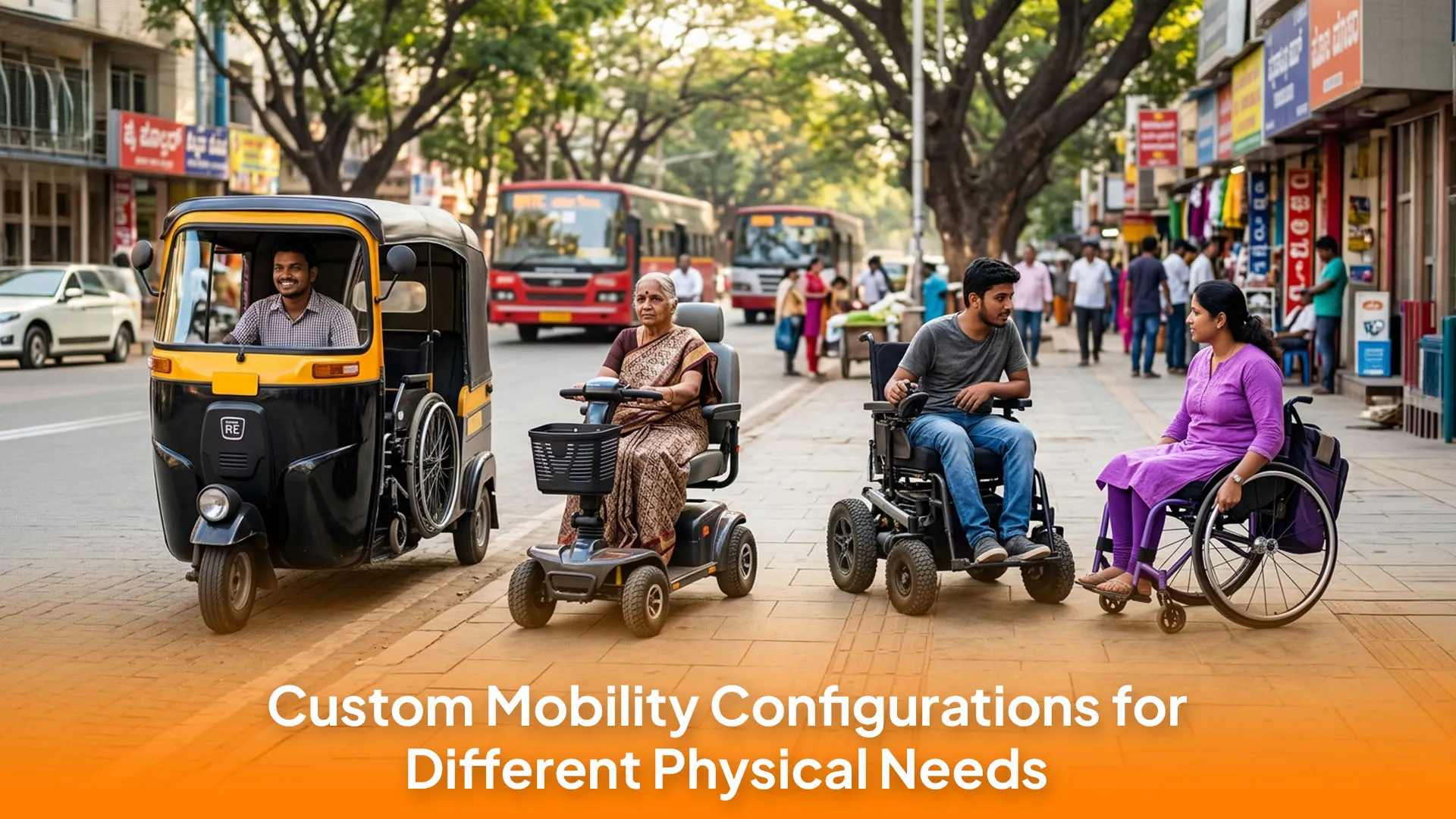
Custom Mobility Configurations for Different Physical Needs
No single setup fits all. Match the configuration to diagnosis, strength, and daily travel pattern.
Need profile | Common challenge | Practical configuration focus |
| Stroke recovery | One-sided weakness | One-arm drive options, stable seating, transfer aids |
| Spinal cord injury | Trunk control and skin risk | Pressure management cushion, solid back, posture supports |
| Elder mobility | Fatigue and falls | Lightweight chair, easy transfers, compact turning radius |
| CP and neuro cases | Spasticity and positioning | Pelvic stabilisation, lateral supports, head support |
| Post-surgery recovery | Temporary limits | Short-term mobility gear, safe brakes, easy folding |
This is where accessibility and transport solutions deliver real value. They align your body, your route, and your routine.
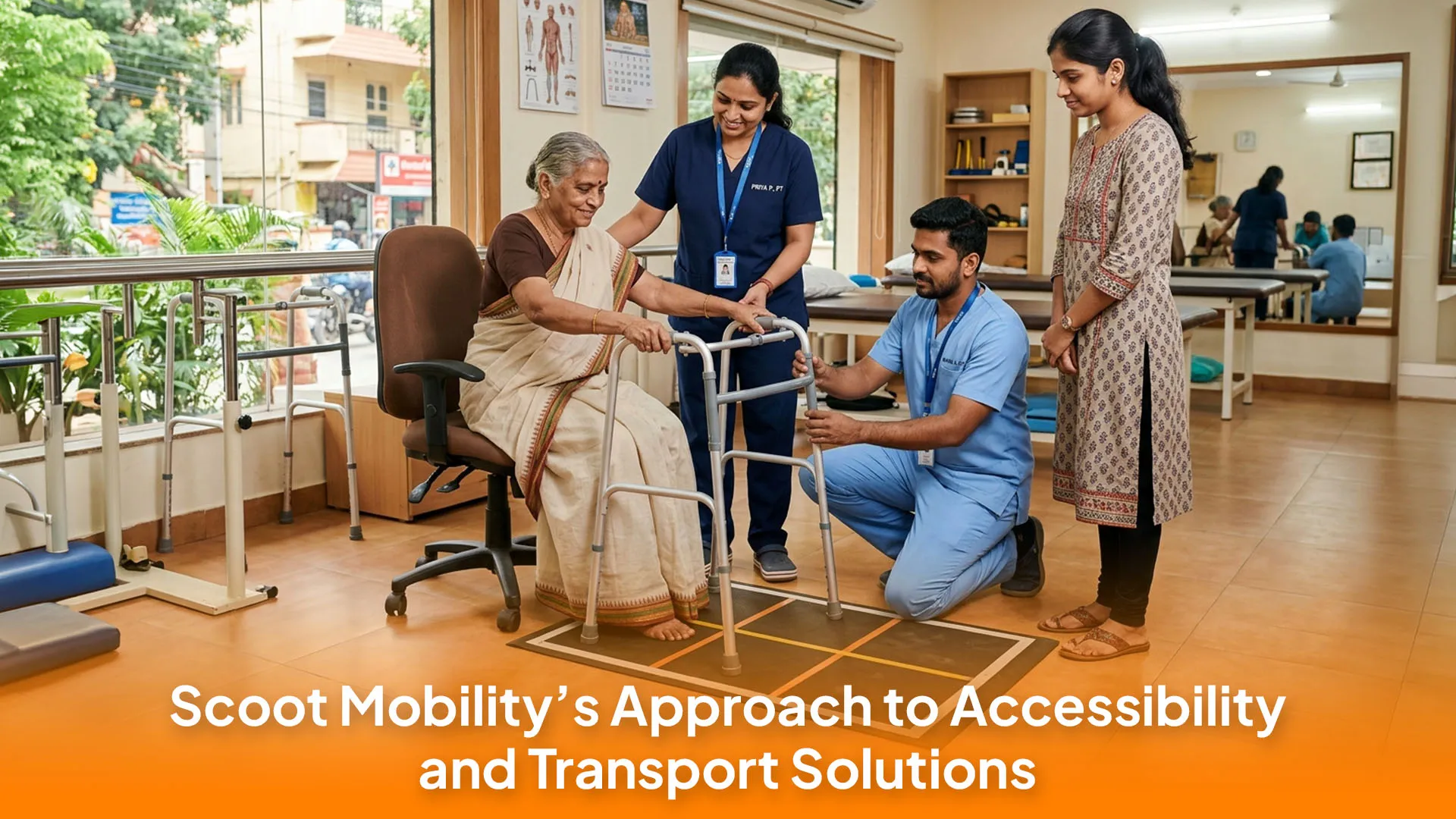
Scoot Mobility’s Approach to Accessibility and Transport Solutions
At SCOOT, we combine clinical fitting with practical mobility planning. We start with posture, transfers, and your daily route.
Core strengths you get with SCOOT:
- Clinical mobility assessments with seating and posture focus
- Manual and powered wheelchairs with adaptive seating options
- Positioning systems that reduce strain during long travel
- Assistive mobility devices and select tech-led mobility add-ons
- Follow-up support for adjustments, fit, and daily use habits
We also guide families who need mobility assistance solutions for home and community use. We keep choices practical for Indian spaces and transport conditions.

Final Thoughts
Easy mobility comes from planning, not guesswork. Review your routes, your transfers, and your seating fit. Track pain points for two weeks. Then fix the biggest barrier first. When you invest in accessibility and transport solutions, you protect health and keep your routine stable.
Start small if you need to. Upgrade one transfer point, one ramp, or one seating support. Keep comfort checks weekly, not once a year. Small misfits build pain fast. Speak with us today and we will set up the right mobility plan at SCOOT.
FAQs
Why are accessibility solutions important for daily living?
They remove barriers at home and outside, reduce fall risk, support safer transfers, and protect energy across daily routines.
What types of mobility transport services are available?
You can use wheelchair-accessible cabs, patient transport vans, assisted metro services, paratransit options, and hospital pickup services.
How do accessibility aids improve independence?
They support posture, improve transfers, reduce strain, and help you move across common spaces without constant caregiver reliance.
Who needs specialized mobility transport solutions?
People with disabilities, elders, post-surgery patients, neurological conditions, and caregivers managing long-distance clinic travel need them.
How to choose the right accessibility equipment?
Match equipment to posture needs, transfer style, route conditions, strength levels, and daily time spent sitting or travelling.