
Blogs & Events

7 Life Changing Benefits of Choosing the Right Wheelchair for Mobility
Have you ever planned a simple day out, then realised your chair limits you? You notice it on ramps, tight turns, uneven paths, and long sitting hours. The right wheelchair for mobility changes that experience quickly. It supports posture, reduces strain, and helps you move with more control in public and at home.
You do not need the most expensive model to get better outcomes. You need a chair that fits your body measurements, matches your strength, and suits your daily routes. When the fit is right, transfers feel safer, movement feels smoother, and your day demands less effort overall.
Now let’s look at why this choice is essential more than most people think, even before we get into the seven benefits.

Why Choosing the Right Wheelchair for Mobility is Essential More Than You Think
Most people pick a wheelchair based on price or appearance. That choice often backfires. A poor fit can increase fatigue, overload the shoulders, and push the body into unhealthy posture. Over time, daily movement feels harder and less safe. A well-matched chair does the opposite. It supports efficient pushing, steadier transfers, and better alignment, so you conserve energy and stay comfortable longer.
Think of your chair as your legs in daily life. You would not buy shoes without checking size, grip, and support. Apply the same logic here. Measure, assess, and choose based on real use.
Once you start thinking in terms of fit and real-life use, the day-to-day improvements become easier to spot.

The 7 Benefits That Change Daily Life
You will see the results in routines first. Then you will notice better health and confidence. Let us break it down. It starts with simple wins like smoother turns, safer transfers, and less effort on ramps.
After that, posture feels more stable, and long sitting hours become easier to manage. Over time, you make plans with fewer limits because your chair supports real-world movement.
The first change most users notice is independence, because small tasks stop feeling like big obstacles.

1. Greater Independence in Daily Movement with a Wheelchair for Mobility
Independence starts with small wins. You move from bed to kitchen. You reach the lift. You exit a shop without help. The right chair helps you repeat these wins daily.
You get independence because the setup matches your strength and reach.
- Efficient push and turn: You save energy on each movement.
- Better transfers: You reduce awkward lifts and slips.
- More predictable control: You stop safely on slopes and ramps.
When you choose a wheelchair for mobility based on real use, you rely less on others. With independence improving, the next priority becomes comfort, because pain and poor posture can undo progress fast.
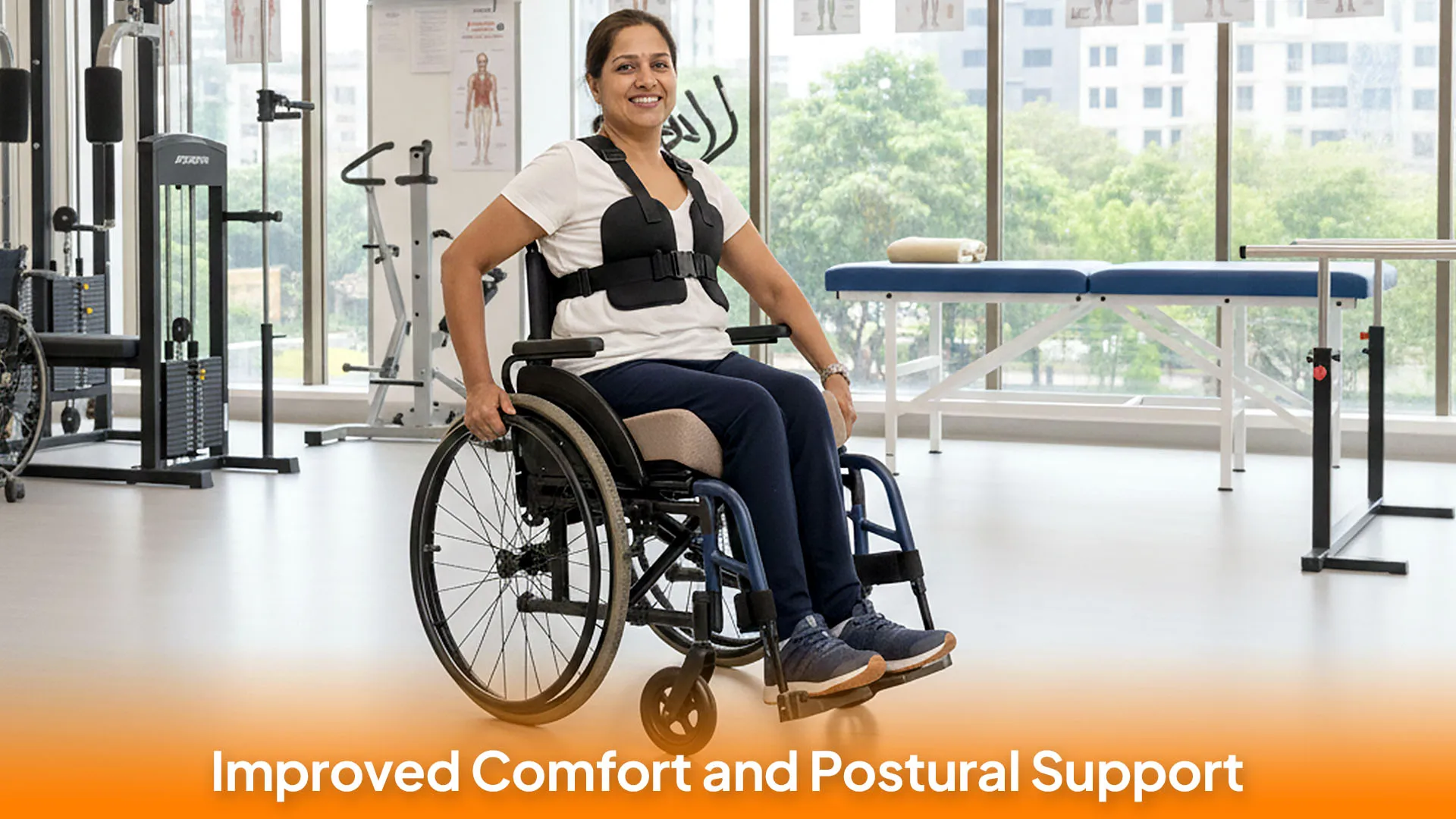
2. Improved Comfort and Postural Support
Comfort sounds basic, but it drives everything else. Pain pulls focus. Poor posture reduces breathing capacity and stamina. A good seating plan fixes the basics.
A strong seating plan uses seating solutions that fit your pelvis and trunk. That support keeps you stable during long sitting hours.
- Pressure protection: You reduce skin breakdown risk.
- Pelvis alignment: You sit balanced, not twisted.
- Trunk support: You keep your chest open and shoulders relaxed.
Do not treat cushions as add-ons. Treat them as part of your mobility system. When comfort and posture are handled well, the long-term health benefits start showing up in subtle but important ways.

3. Better Physical Health Over Time
When the chair fits, your body works with it. You reduce repetitive strain and reduce compensatory movement patterns.
Focus areas that improve with the right selection:
- Shoulder load: A lighter push cycle reduces overuse.
- Back and neck strain: Better alignment lowers tension.
- Breathing comfort: Upright support helps chest expansion.
In clinical terms, the NIH notes that an appropriate wheelchair supports inclusion, participation, and functional ability, while an inappropriate one can reduce mobility and health.

4. Easier Navigation in Real-World Environments
India presents mixed surfaces. You deal with broken pavements, steep ramps, narrow shop aisles, and uneven thresholds. The right configuration helps you handle these daily realities.
If you need powered control, power wheelchairs can reduce effort on longer routes. If you self-propel often, Ultralight wheelchairs can reduce strain during turns and ramps.
Also check practical details:
- Wheel and caster choice: It affects stability on rough ground.
- Frame and seating angle: It affects control and comfort.
- Transport needs: It affects folding, lifting, and storage.
WHO guidance also estimates around 80 million people worldwide need a wheelchair, and the number keeps rising. That scale explains why correct service and fitting matter. Once navigation feels easier, many people notice they’re saying “yes” more often, because access barriers feel less intimidating.

5. Increased Participation in Work, Social Life, and Hobbies
The right chair gives you a wider radius. That radius changes your week. You say yes more often.
You may notice:
- Work participation: Less fatigue during commutes and office hours.
- Social confidence: Less worry about access barriers.
- Hobbies and sport: More freedom to choose activities, not avoid them.
Your chair should support your life goals, not just basic movement. As participation grows, it also becomes clear that the right chair can save money over time, not just improve comfort.
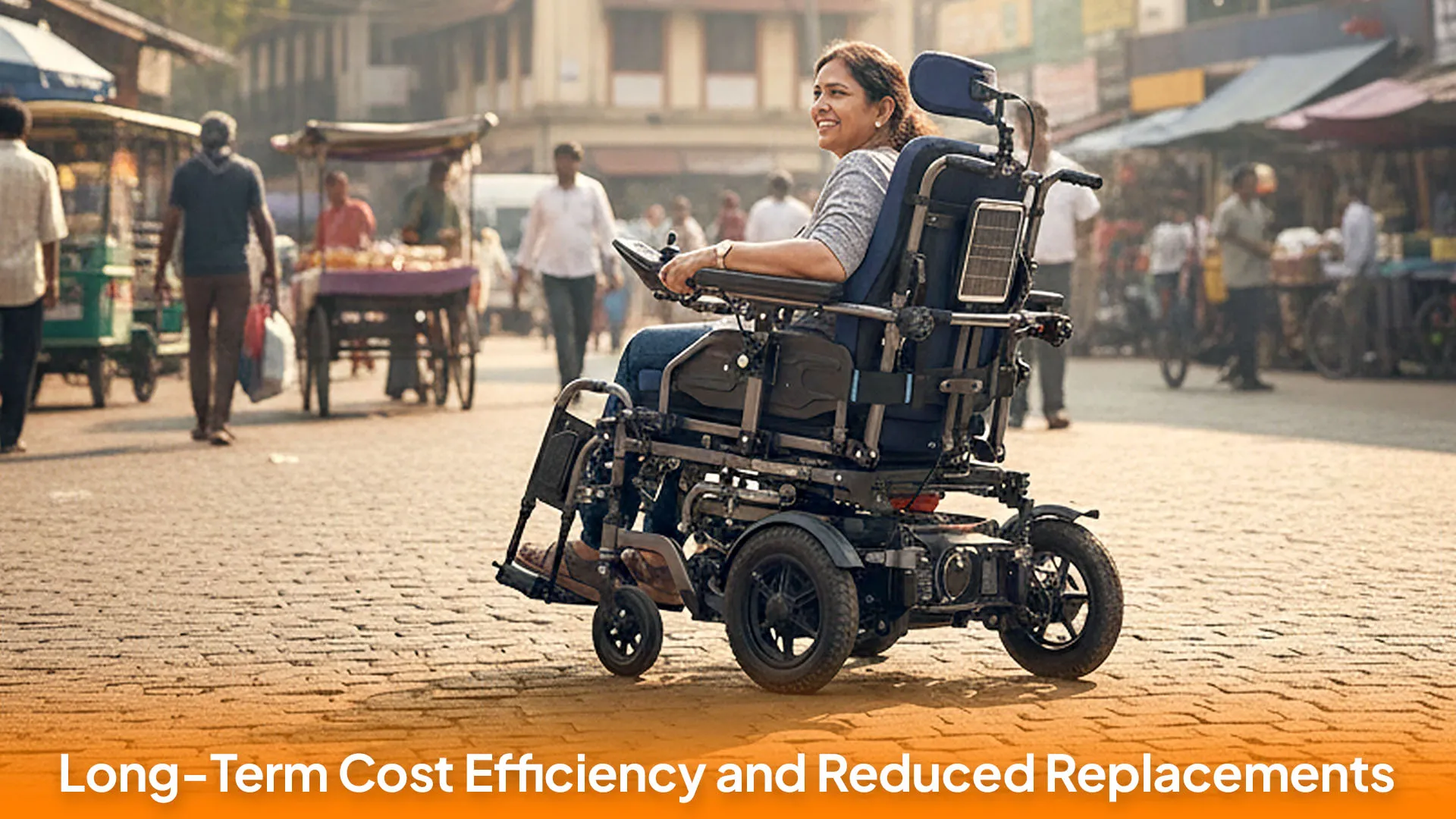
6. Long-Term Cost Efficiency and Reduced Replacements
A mismatch costs more than a good purchase. You pay through repairs, replacements, and avoidable discomfort.
A better choice helps because it supports:
- Durability for daily use: Less wear from poor setup.
- Adjustability: More ability to fine-tune over time.
- Fewer wrong upgrades: Less spending on fixes later.
Spend time on selection now. You reduce regret later. Beyond cost and convenience, there’s also a quieter benefit that matters just as much: emotional ease.

7. Emotional Well-Being and Quality of Life
Mobility affects dignity. It affects privacy. It affects how you show up in public. When your chair fits well, you feel calmer in daily movement.
You may feel:
- More control: You plan your day with fewer compromises.
- Less dependence stress: You ask for help less often.
- More self-trust: You feel steady in crowds and entrances.
A chair can change your confidence quietly, but clearly. To make these benefits real, you need a process that focuses on fit and outcomes, not just product browsing.

How Scoot Mobility Helps Users Choose the Right Wheelchair
SCOOT is the wheelchair and mobility division built to solve fit problems, not just sell equipment. We focus on clinical selection, fitting, and long-term usability.
Here is what makes the approach different:
- Specialist support: Trained wheelchair and seating specialists guide selection.
- Range that fits real needs: Manual chairs, sports options, and mobility aids.
- Advanced models: Power Wheelchairs for powered control needs.
- Lightweight performance: Ultralight Wheelchairs for active propulsion users.
- Posture-first setup: Seating Solutions for support, comfort, and stability.
We also help you plan accessories and follow-ups, so your setup stays right. We keep the focus on outcomes, not catalog browsing.

Key Factors to Consider Before Selecting a Wheelchair for Mobility
This section helps you make a clean decision. Match the chair to your body and routine, not trends.
Quick assessment factors
- User strength and trunk control: It decides support level.
- Daily sitting duration: It drives cushion and backrest needs.
- Primary surfaces: Indoor tiles, outdoor roads, ramps.
- Car and lift access: It affects width and fold needs.
- Caregiver support: It affects push handles and brakes.
Before the table, remember this. A chair fits best when you select it like footwear.
What you need | What to prioritise | Best fit direction | Notes |
| Long daily sitting | Cushion, backrest shape | Posture-focused setup | Add pressure planning early |
| Rough outdoor routes | Stability, tyres | Outdoor-ready configuration | Check caster size and frame strength |
| Frequent self-propulsion | Weight and push efficiency | Active user setup | Reduce shoulder load over time |
| Tight indoor spaces | Turning radius | Compact configuration | Confirm width at doors and lifts |
| Extra support needs | Trunk and head support | Higher support setup | Consider clinical review schedule |
After the table, take one step. Write your top two pain points. Then select around them.
To close the loop, the right wheelchair for mobility fits your body, surfaces, and schedule. Include mobility aids only when they solve a specific gap.

Final Thoughts
You are not buying a chair. You are buying a daily function. The right setup supports your posture, reduces fatigue, and makes movement smoother across real surfaces like ramps, uneven pavements, and tight indoor spaces. When you prioritise fit, seating comfort, and how you actually travel each day, you protect your health and save time.
If you want help choosing the right chair, connect with SCOOT Mobility for a clinical assessment, fitting support, and a setup that matches your body, surfaces, and daily schedule. Our team can guide you through chair selection, seating solutions, accessories, and follow-ups, so your wheelchair supports real independence, not just basic movement.
FAQs
How do I choose the right Wheelchair for my needs?
Start with assessment, measure posture needs, check daily surfaces, then test propulsion, transfers, comfort, and maintenance requirements.
What is the difference between standard and Power Wheelchairs?
Standard chairs use manual pushing. Power chairs use motors, controls, batteries, and suit users needing lower physical effort.
Can Ultralight Wheelchairs improve mobility and comfort?
Yes. Lower weight improves push efficiency, reduces fatigue, supports easier transport, and helps long days feel less tiring.
Are there Wheelchairs Suitable for sports or outdoor use?
Yes. Sports models improve agility. Outdoor setups improve stability, tyre grip, and durability on uneven surfaces.
How Often Should Wheelchair Cushions and Accessories be replaced?
Replace when foam compresses, covers tears, posture shifts, or pressure discomfort increases. Review at least yearly with your clinician.