
Blogs & Events

Ultralight Wheelchairs: A Game Changer for Active Wheelchair Users
If you use a wheelchair every day, you already know something most people never stop to consider. Your chair is not just a piece of equipment. It is your legs, your rhythm, your access, and your independence. So when the chair feels heavy, slow, or awkward, your whole day feels heavier too. Doorways turn into a struggle, ramps feel longer than they should, and by evening your shoulders are the ones carrying the cost.
That is why ultralight wheelchairs can feel like a real turning point for many people. They are designed to move with you, not against you. Each push takes less effort. Steering feels quicker. Transfers feel more controlled. Even getting the chair in and out of a car can become simpler when the weight and balance are right.
We will break down what makes ultralight wheelchairs different, who benefits the most, and how the right fit and setup can help you move faster, protect your joints, and feel more in control every day.

What Are Ultralight Wheelchairs?
Ultralight models are built for performance and day to day efficiency. They reduce frame weight without sacrificing strength. Most designs use aluminium alloys, titanium, or carbon fibre. You notice the difference immediately because a lighter frame reacts faster to small movements. That matters in lifts, narrow corridors, crowded pavements, and tight corners.
People often mix up this category with lightweight wheelchairs. While lightweight wheelchairs do reduce weight, ultralight chairs usually take things further. The bigger difference is not only the frame. It is also fit.
Ultralight chairs are typically designed so you can fine tune seat width, seat depth, back angle, and axle position. That adjustability can improve posture and reduce fatigue. If you spend long hours in your chair, fit matters just as much as weight.

Why Are Ultralight Wheelchairs Essential for Active Users?
Active days mean repeated strain on the upper body. A heavier chair increases that strain with every push. A lighter chair can keep your movement smoother and more efficient. It also helps you maintain speed without constantly adding extra pushes, which matters for commuting, college runs, uneven footpaths, and busy daily schedules.
A peer reviewed mobility study showed a clear difference between active and passive chair setups. Active wheelchairs covered around 42 percent more distance and reached roughly 20 percent higher speeds during mobility tasks. That advantage often comes from better fit, efficient rolling, and smarter weight distribution.
If you are among active wheelchair users, it helps to think about the small moments that repeat all day. Short ramps, curb cuts, shop aisles, office doors, and uneven walkways add up fast. Better handling saves energy daily, and it can help protect your shoulders and wrists over the long run.
Where you notice the difference first
- Turns feel tighter and more predictable
- Transfers feel safer because the chair feels steady
- Car loading is easier when the frame weighs less
- Longer distances feel doable, not punishing
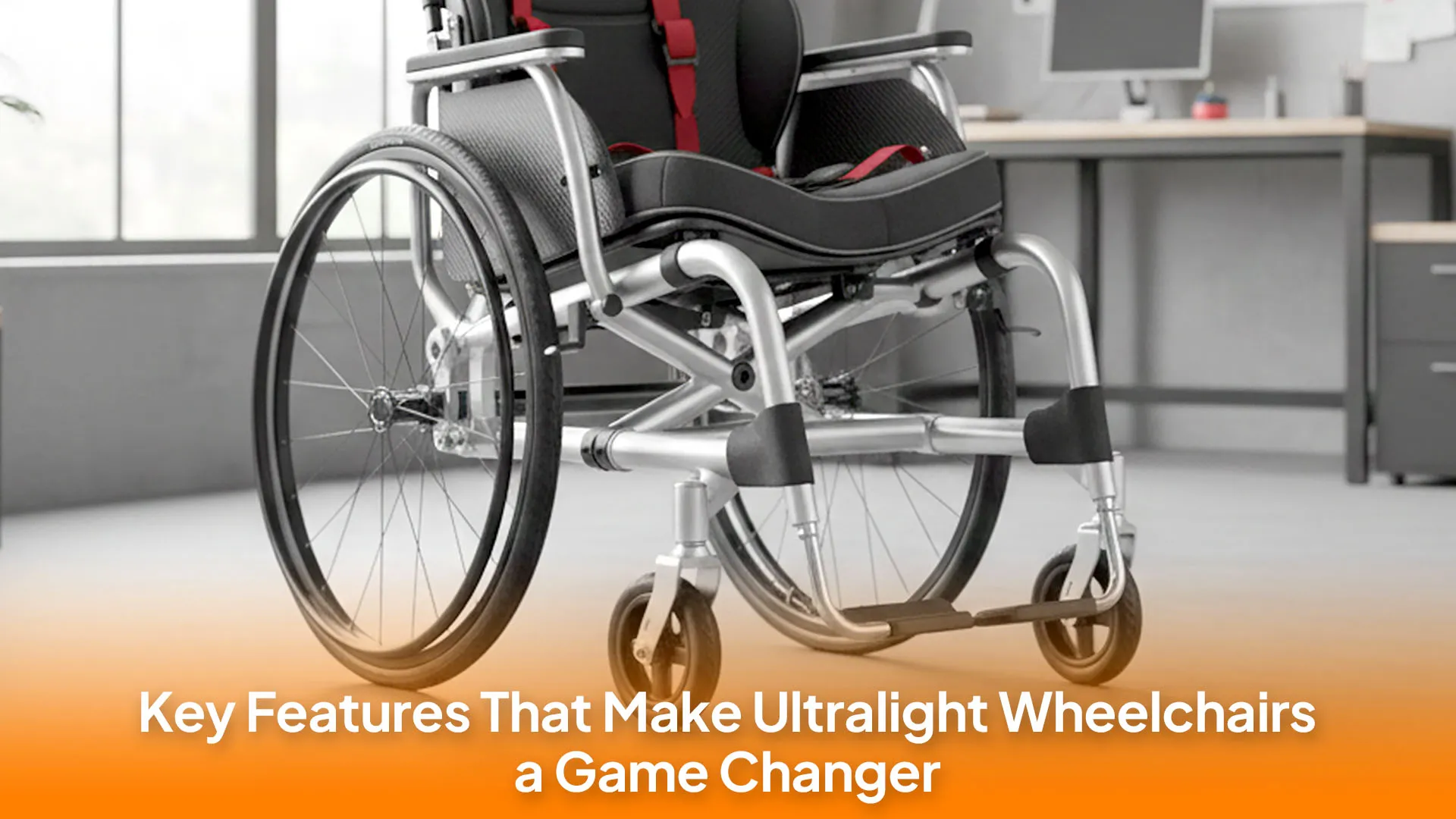
Key Features That Make Ultralight Wheelchairs a Game Changer
Ultralight wheelchairs feel like a performance upgrade because more of your effort turns into clean movement. A lighter frame, smart geometry, and an adjustable axle setup can reduce shoulder load and improve control. For active wheelchair users, that often means smoother travel, quicker turns, and less fatigue across long days.
Frame Type and Daily Handling
Rigid frames feel direct and efficient. Folding frames can make travel and storage easier. Your routine should guide this choice. If you lift the chair often, keep weight and folding style high on your list.
Seating Geometry and Posture Control
A chair should support a neutral posture rather than forcing you into one. Look for adjustable back support and seat tension, and make sure your cushion fits the setup properly. Poor support can lead to sliding, pressure points, and back fatigue.
Axle Position and Propulsion Efficiency
Axle placement affects how hard you have to push. A well set axle can improve balance and reduce shoulder strain. It is worth testing this with a professional assessment so the setup matches your body and pushing style.
Wheels, Casters, and Surface Performance
Tyres, bearings, and caster size influence rolling resistance. If you move across mixed Indian surfaces, stability becomes a priority. Smooth bearings matter indoors too, especially on tile floors.
What people often miss during selection
Many buyers focus only on frame weight, then regret it later. A manual ultralight wheelchair still needs correct geometry and sensible components. It should also match your maintenance habits and the service support available to you.

Who Should Consider an Ultralight Wheelchair?
Not everyone needs the same build, but many users benefit from an ultralight setup when they self propel daily, travel often, or spend long hours in the chair.
You may want to consider ultralight wheelchairs if you:
- Commute to work or college most weekdays
- Transfer into cars often without consistent assistance
- Move through malls, hospitals, and public buildings each week
- Feel shoulder discomfort after longer pushing sessions
- Want a chair built to your body measurements, not generic averages
Many people also upgrade after outgrowing a starter chair. This often happens after rehab, school transitions, or when sport, fitness, or frequent travel becomes part of life.
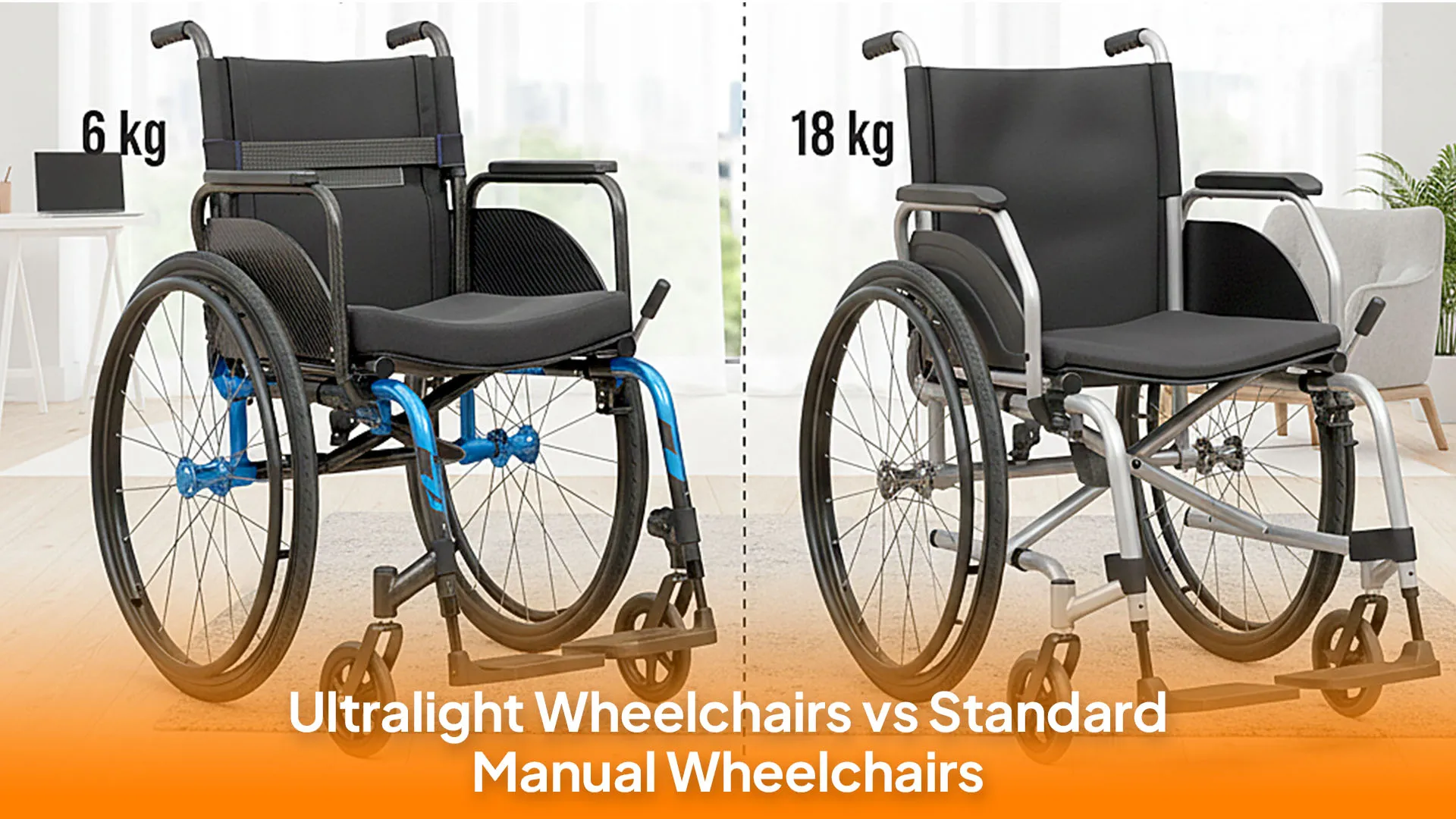
Ultralight Wheelchairs vs Standard Manual Wheelchairs
Use this quick comparison to see how ultralight wheelchairs differ from standard manual models in everyday handling, fit, comfort, and long-term usability for active wheelchair users.
Factor | Ultralight option | Standard manual option |
| Frame weight | Lower carry load for daily transport | Higher carry load for lifting and car loading |
| Fit options | More adjustability for posture and efficiency | Limited adjustments in many models |
| Rolling feel | Faster response to each push | Slower response with more effort |
| Long use comfort | Better support when geometry matches your body | Comfort depends more on add ons |
| Maintenance focus | Needs correct setup and periodic checks | Simpler parts, but heavier wear |
| Best for | Work, travel, sports, high daily movement | Short indoor use and occasional movement |
A standard chair can still work well in many situations. But active routines tend to expose its limits quickly. When the chair fights your movement, you pay in fatigue, and your shoulders and wrists pay too.

Choosing the Right Ultralight Wheelchair
Start with your measurements, then match them to your daily life. The best chair is the one that fits your body and your routine.
Step 1: Define your daily terrain
Do you deal with broken pavements, slopes, tight lanes, and unpredictable surfaces? If yes, prioritise stability. If you stay mostly indoors, agility and quick turning may matter more.
Step 2: Prioritise posture, not just speed
A chair that rolls fast but fits poorly will cause trouble. Check seat depth, back height, pelvic support, and cushion height. Cushion height changes your push angle, which affects shoulder load.
Step 3: Think about transport and storage
If you load your chair into a hatchback often, choose a frame style you can realistically manage. Many people prefer the feel of a rigid frame, while others need folding convenience. Let your day decide.
Step 4: Plan upgrades with intent
Accessories can help, but they add weight. Choose what you use daily. In India, spares and service access matter more than people expect, so check availability before purchase.
If you need a mobility wheelchair for mixed use, focus on wheel and caster durability. If you are deciding between lightweight wheelchairs and ultralight wheelchairs, compare them side by side with your routine in mind, not just the brochure weight.
How Scoot Mobility Supports Active Wheelchair Users
Scoot is the wheelchair and mobility division built around clinical thinking, not quick selling. The focus stays on what works in real life, at home, at work, in traffic, and across mixed surfaces. The team helps you shortlist the right chair, set it up properly, and keep it comfortable over time.
We look at how you actually move. We check posture, balance, pushing style, and transfer needs. Then we tune the fit so the chair feels stable and easy to control, not heavy or awkward.
What sets Scoot apart
- Clinical grade assessments for seating, posture, and propulsion needs
- Custom fit options for seat width, back support, and handling preference
- Travel ready builds using strong materials with reliable frame geometry
- Setup that supports smoother handling indoors and outdoors
- Options for kids, teens, and adults, with sensible upgrade paths

Final Thoughts: Mobility Without Limits
Your chair should support your day, not run it. When you move often, small inefficiencies turn into daily pain points. A well fitted chair helps protect your upper body over years and keeps your movement confident and sharp.
If you travel often, choose a frame you can lift and manage. If you self propel daily, keep geometry and axle setup in focus. If you are investing in a manual ultralight wheelchair, insist on an assessment and proper fit checks.
Ready to upgrade your daily movement with ultralight wheelchairs? Speak with our team for the right fit, setup, and long term support. We are here to help you move better, every day.
FAQs
What is an ultralight wheelchair and who should use it?
An ultralight wheelchair uses a lower weight frame and adjustable geometry. It suits people who self propel and have active routines.
How do ultralight wheelchairs benefit active wheelchair users?
They reduce push effort, improve turning control, make transfers easier, and support faster daily movement across longer distances.
Are ultralight wheelchairs better than standard wheelchairs for daily use?
For frequent self propulsion, yes. Lower weight and better fit options can reduce fatigue and improve comfort during long days.
What features should you look for in an ultralight wheelchair?
Look for axle adjustability, seating geometry, frame type, wheel quality, caster stability, and strong service support for maintenance.
Are ultralight wheelchairs suitable for long term and active lifestyles?
Yes, when fitted well. Correct posture, durable parts, and routine checks support long term daily use and activity.