
Blogs & Events
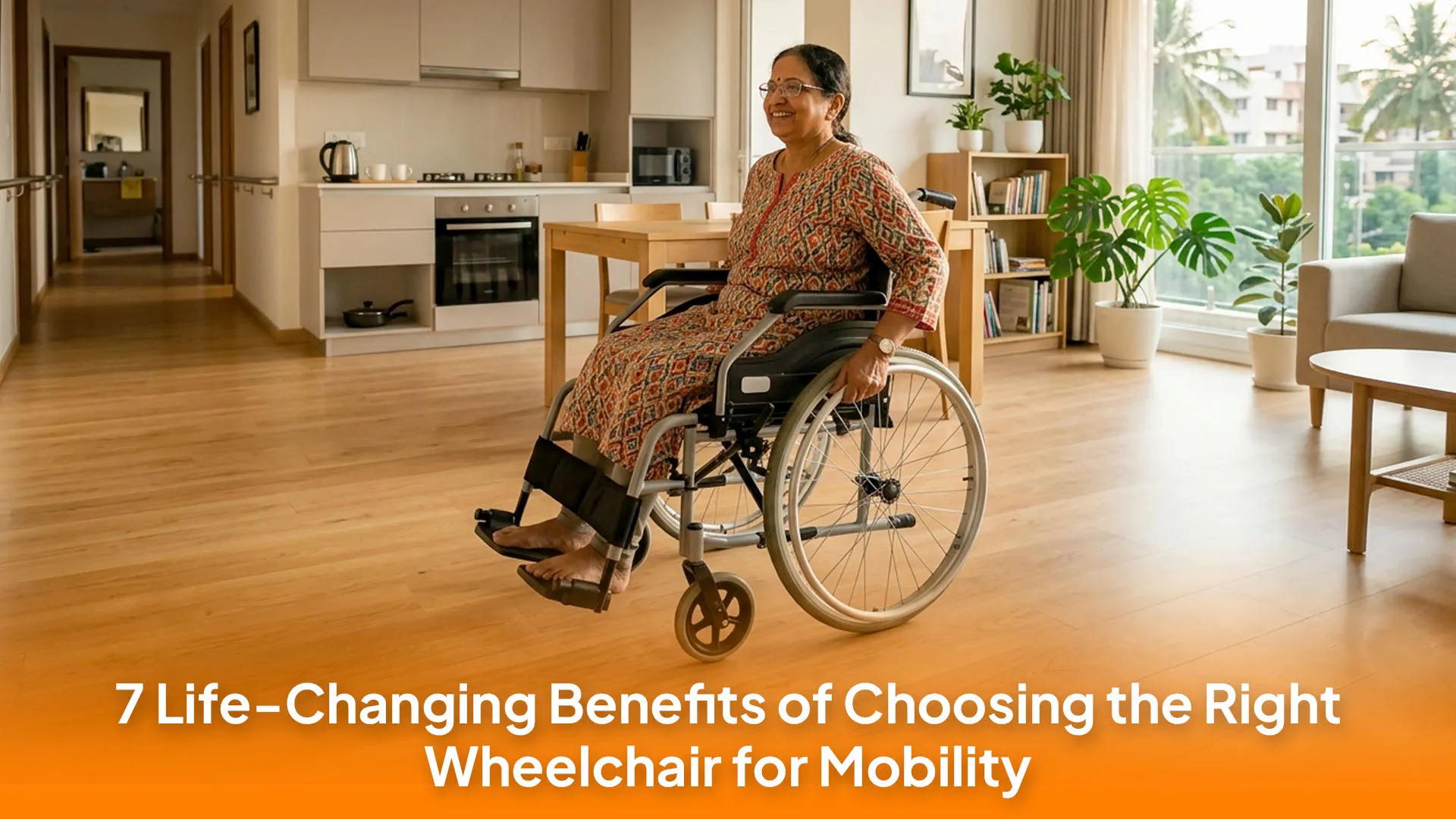
Mobility Aids Equipment That Improve Daily Independence
What freedom do we give up when we stop doing things because they feel risky?
Work, meals, bathing, travel and rest are all influenced by movement every day. In cases of pain, weakness, injury, age, and a health condition, which influences movement, small tasks begin to consume additional time and energy. Such a transformation does not simply transform mobility. It alters routine, self-confidence, and individual power.
Mobility assisted equipment is where it makes a difference. The appropriate product facilitates movement, reduces strain, and enables individuals to remain active within the areas that they are well-known with. It may contain a wheelchair, scooter, walker, cane, seating, or transfer aid. These tools also sit within wider groups such as assistive mobility equipment, mobility assistance devices, and independence aids for daily living.
The real goal is not just movement. The goal is safe movement that fits real life. A person should move through the day with less effort, fewer risks, and better support.
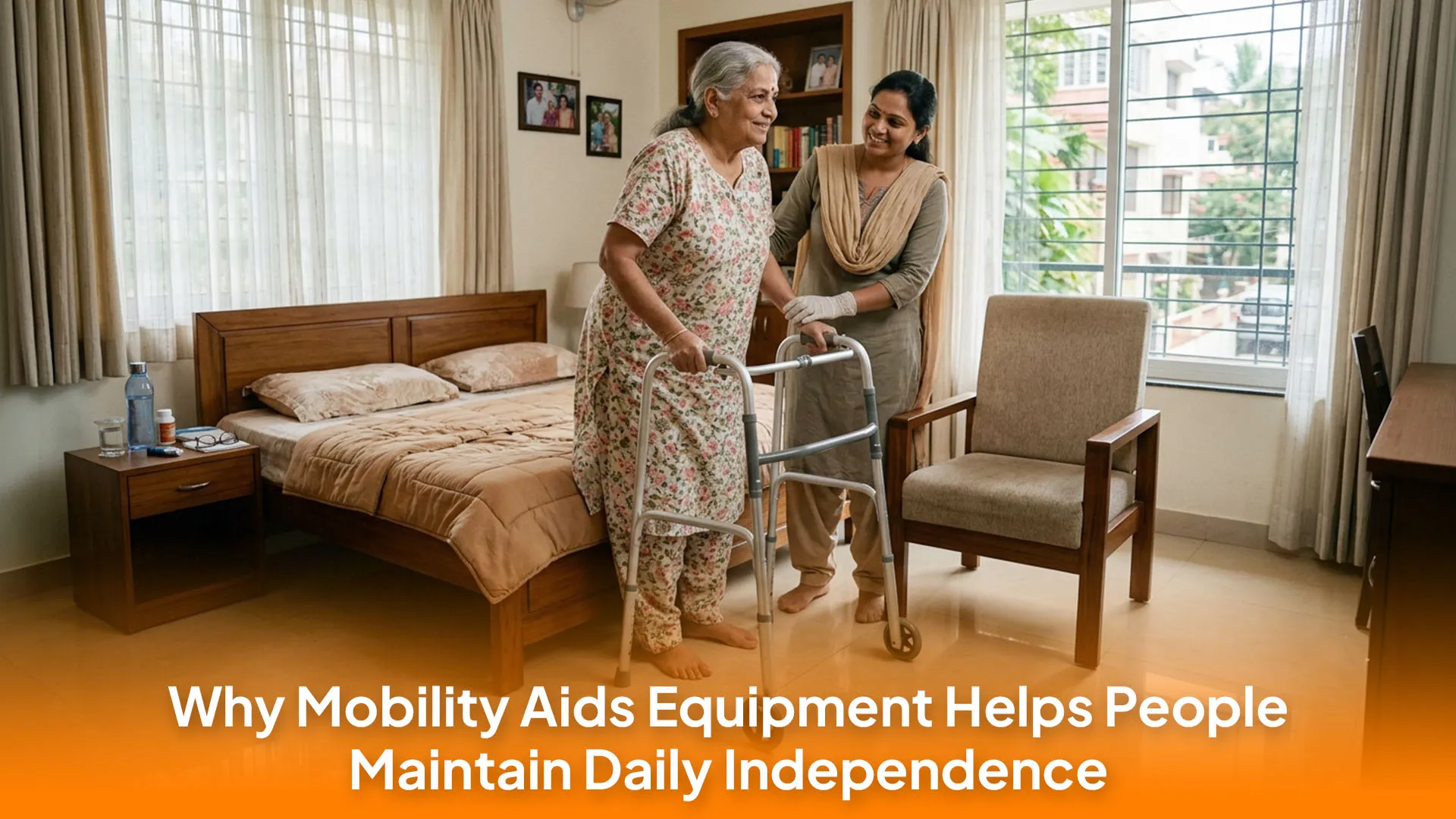
Why Mobility Aids Equipment Helps People Maintain Daily Independence
Daily independence does not come from one feature. It comes from repeated success across the day. A person gets out of bed with less strain. They move to the bathroom with more control. They reach the dining table without fear of a fall. They step outside without planning every move around pain or weakness.
That is why mobility aids equipment has practical value. It supports function at the points where routine breaks down first. It also protects energy. When a person spends less energy on standing, balancing, or transferring, they can use that energy for work, family, school, or recovery.
This is also where rehabilitation equipment for disabled users becomes more than a clinical purchase. It becomes part of a stable routine. The same applies to mobility assistance devices used after surgery, stroke, joint damage, spinal conditions, or age-related weakness.
Current estimates place the global need at 2.5 billion people for at least one assistive product such as a wheelchair, walker, prosthetic, or other mobility support device. That number may rise to 3.5 billion by 2050.
Good support also reduces hidden costs. Falls lead to treatment. Poor posture leads to pain. Wrong seating leads to fatigue. Weak transfer support increases caregiver strain. The right product cuts those problems before they grow.
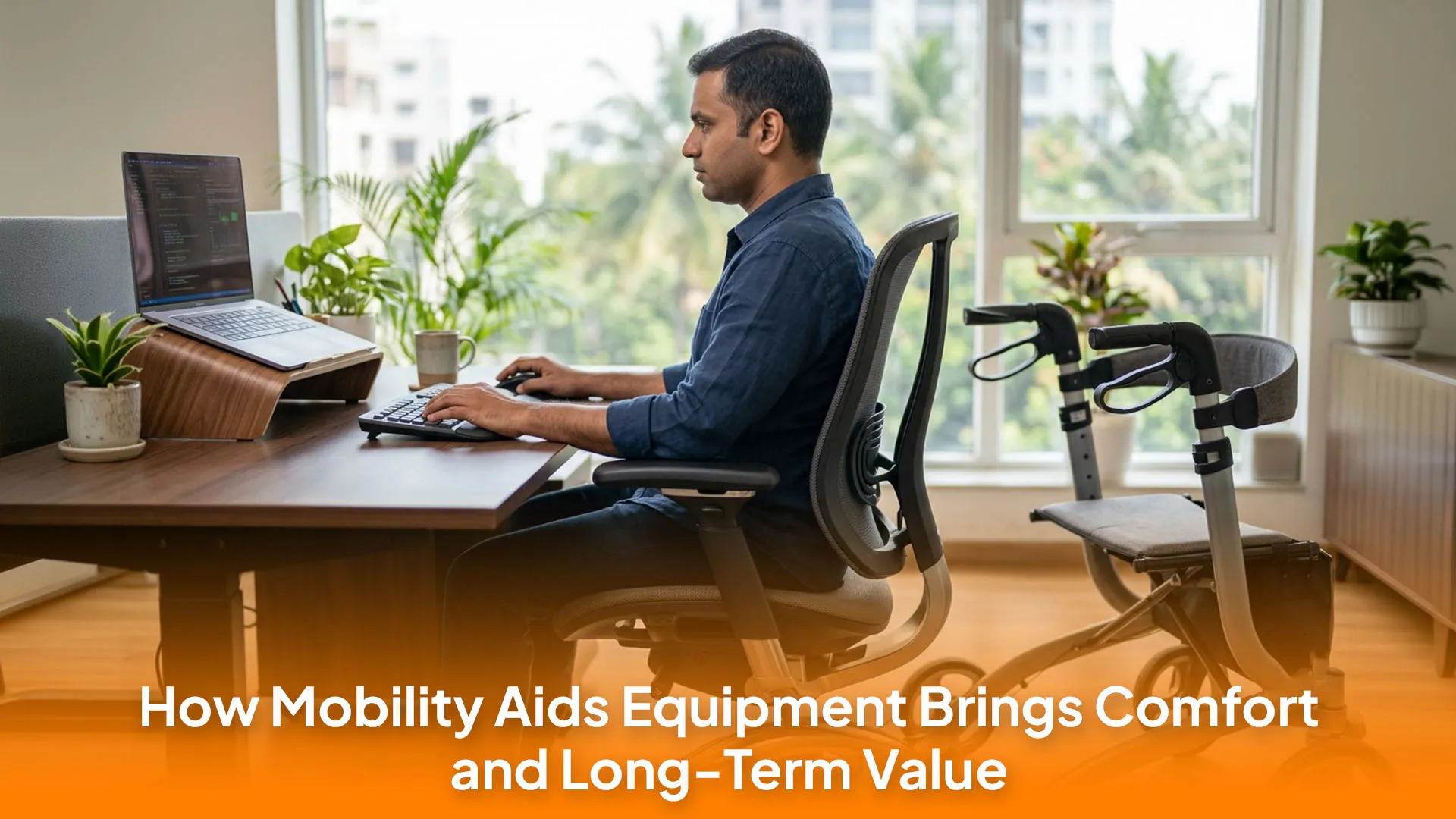
How Mobility Aids Equipment Brings Comfort and Long-Term Value
Comfort in mobility care does not come from soft padding alone. It comes from proper fit, smooth movement, safe transfers, joint support, and posture control. Long-term value comes when a product keeps helping day after day without forcing the user to fight with it.
That is why mobility aids equipment should match the user’s body, home layout, daily travel, and strength level. Product fit drives results.
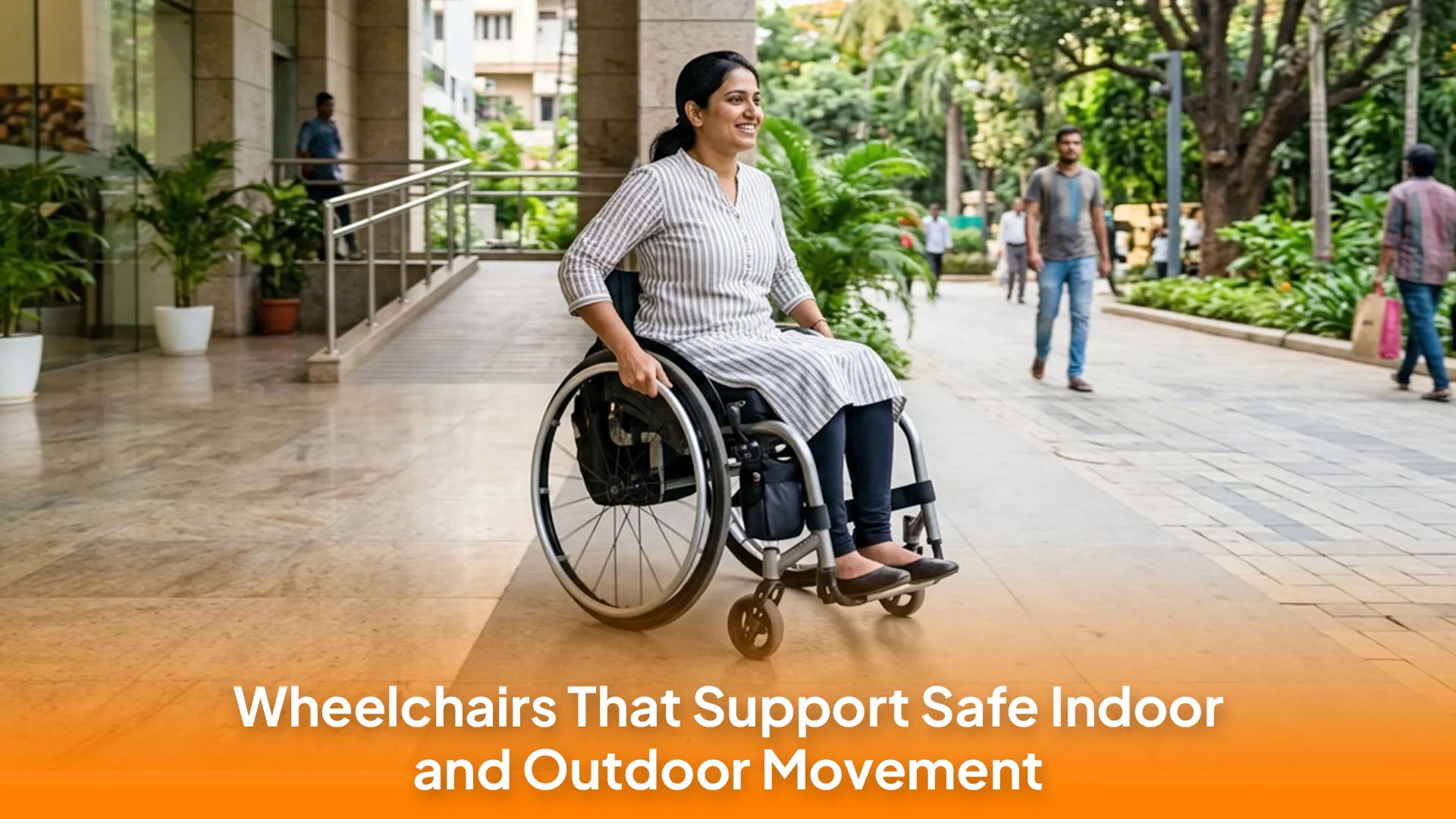
Wheelchairs That Support Safe Indoor and Outdoor Movement
A wheelchair does far more than move a person from one place to another. It supports posture, pressure control, reach, and participation. A poorly fitted chair creates shoulder strain, pelvic tilt, poor foot support, and hard transfers. A well-matched chair improves all four areas.
Manual wheelchairs suit users with upper-body strength, caregiver support, or shorter travel needs. Powered options help users who need longer travel range or reduced arm effort. Footrests, seat width, back support, and cushion choice all change daily comfort.
The right wheelchair also helps users enter narrow rooms, move across uneven floors, and stay active outside the home. In that way, it becomes one of the strongest independence aids for daily living available today. 29.4% of adults aged 65+ use mobility devices outside the home. Those numbers show a clear pattern. More people need mobility support that fits real homes, real streets, and real routines.
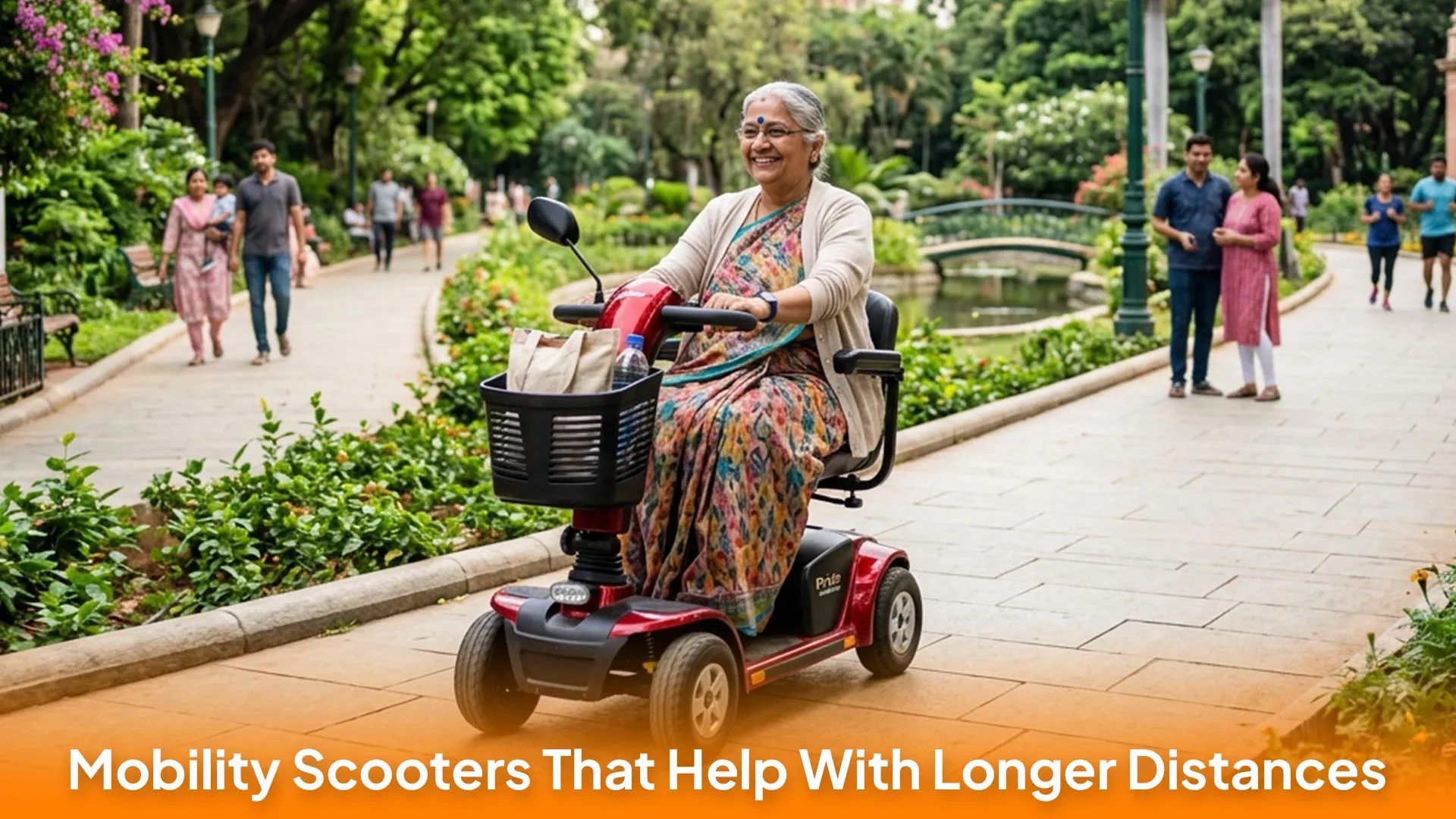
Mobility Scooters That Help With Longer Distances
Many people manage short indoor movement but struggle with longer distances. That gap affects temple visits, shopping, park walks, medical visits, and social plans. A mobility scooter fills that gap well.
Scooters help users save energy over longer routes. They also reduce lower-limb strain. For people with arthritis, muscle weakness, or reduced endurance, that support can keep daily life open instead of restricted.
A scooter also protects routine. It keeps travel practical without forcing a user to depend on a caregiver for every outside trip. That makes it a smart part of modern assistive mobility equipment for both urban and community use.
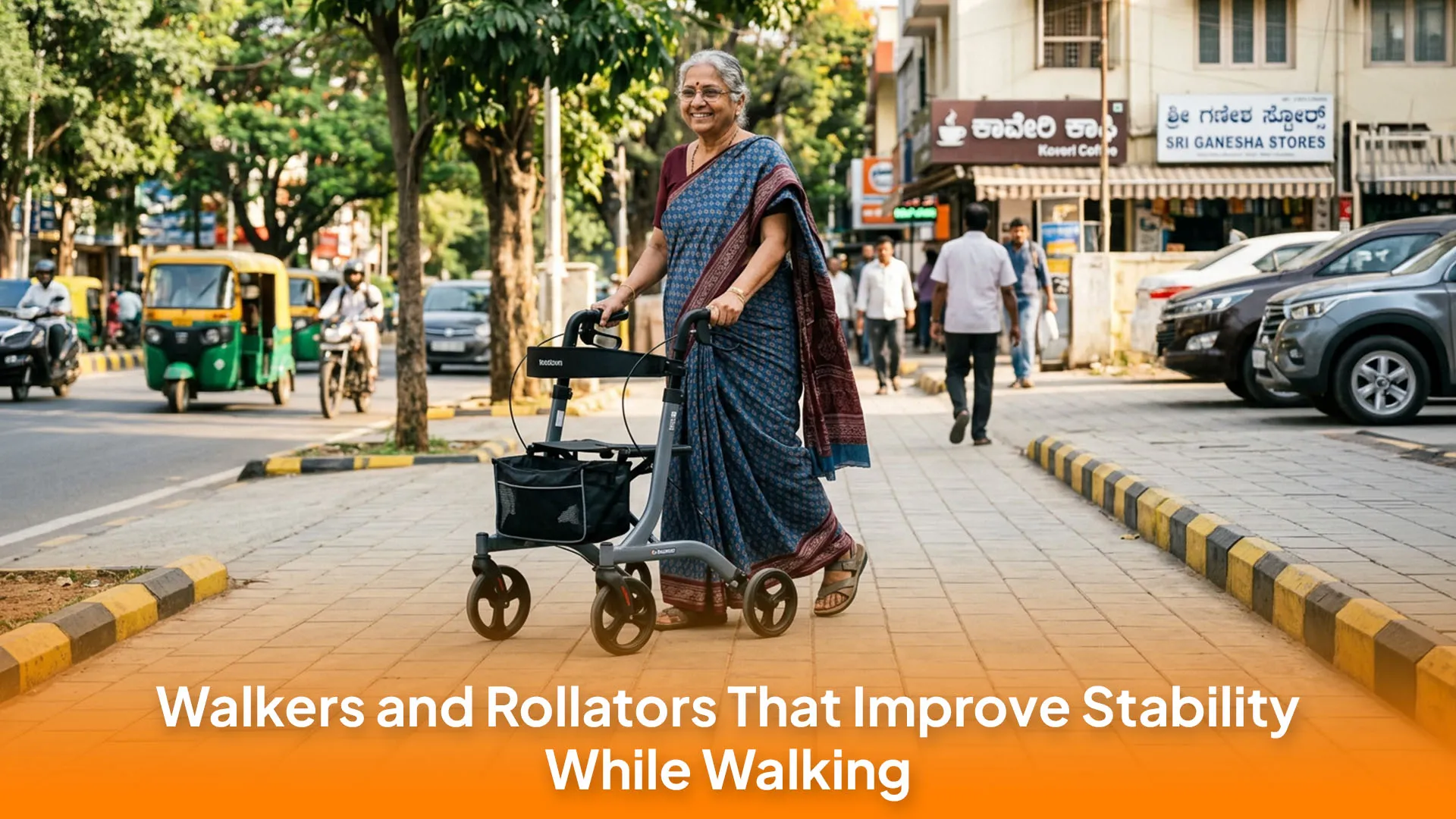
Walkers and Rollators That Improve Stability While Walking
Walkers and rollators support people who can still walk but need balance help, forward support, or rest breaks. The right model depends on gait pattern, grip strength, and home layout.
A basic walker works well for maximum support inside compact spaces. A rollator works well for people who need wheels, hand brakes, and a seat. Product choice should follow movement patterns, not trends.
Device | Best Use | Main Advantage |
| Standard Walker | Short indoor walking | Strong support and controlled pace |
| Front-Wheel Walker | Users who lift less | Smoother movement with less effort |
| Rollator | Longer indoor or outdoor walking | Better flow with seat and brakes |
When the product matches the person, walking stays safer and less tiring. That improves confidence without pushing the user beyond safe limits.
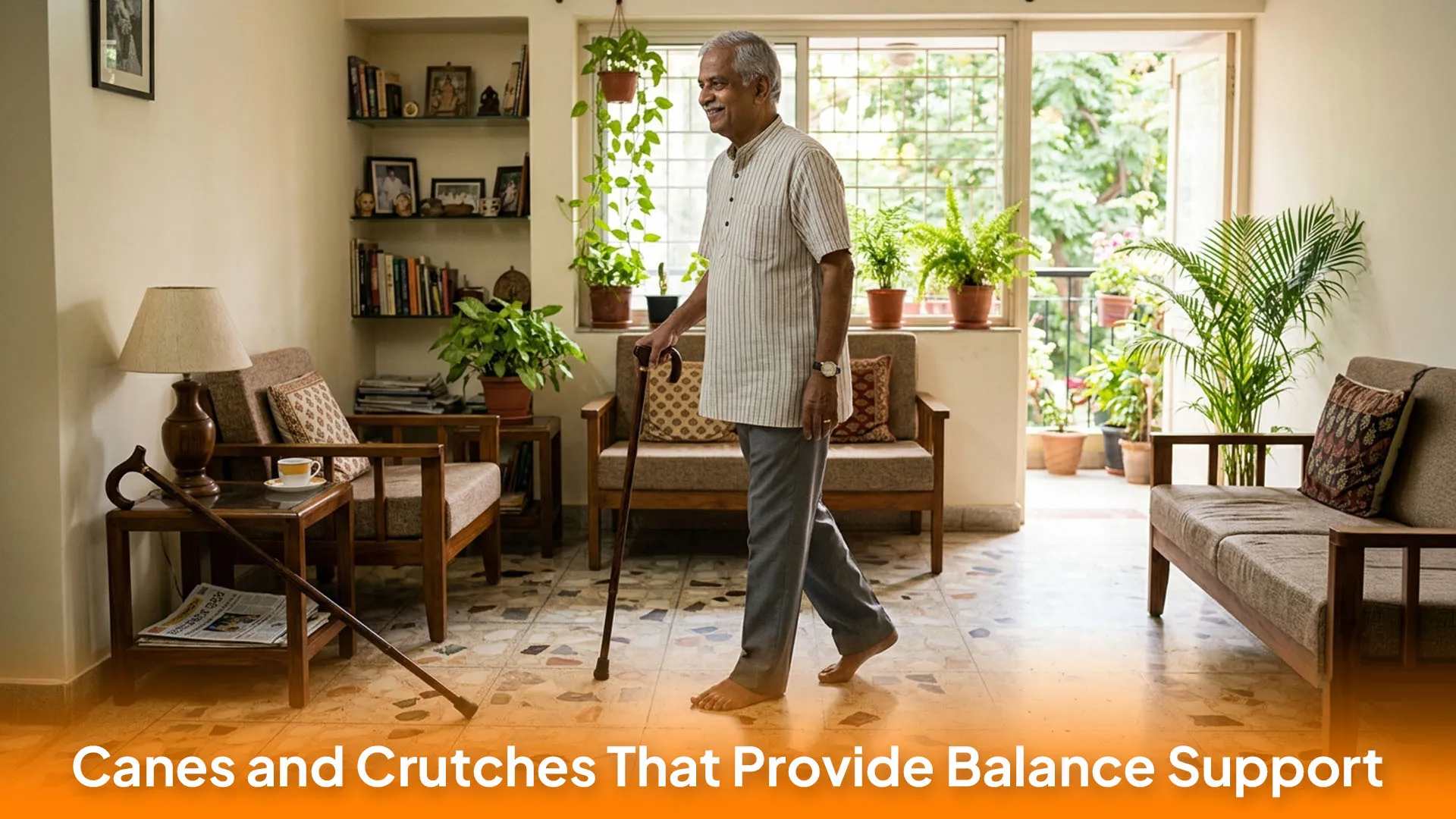
Canes and Crutches That Provide Balance Support
Canes and crutches look simple, but selection still needs care. A single-point cane helps with mild balance loss. A quad cane adds ground contact for extra support. Crutches shift weight away from one leg and help after injury or surgery.
Height fit stays critical. A wrong cane height pushes the shoulder up and bends the trunk. A wrong crutch fit irritates the underarm area and tires the wrists. Good fitting protects posture and supports steady use.
This category also includes rehabilitation equipment for disabled users who need temporary or partial support rather than full seating-based support. Product fit still decides comfort, safety, and long-term use.
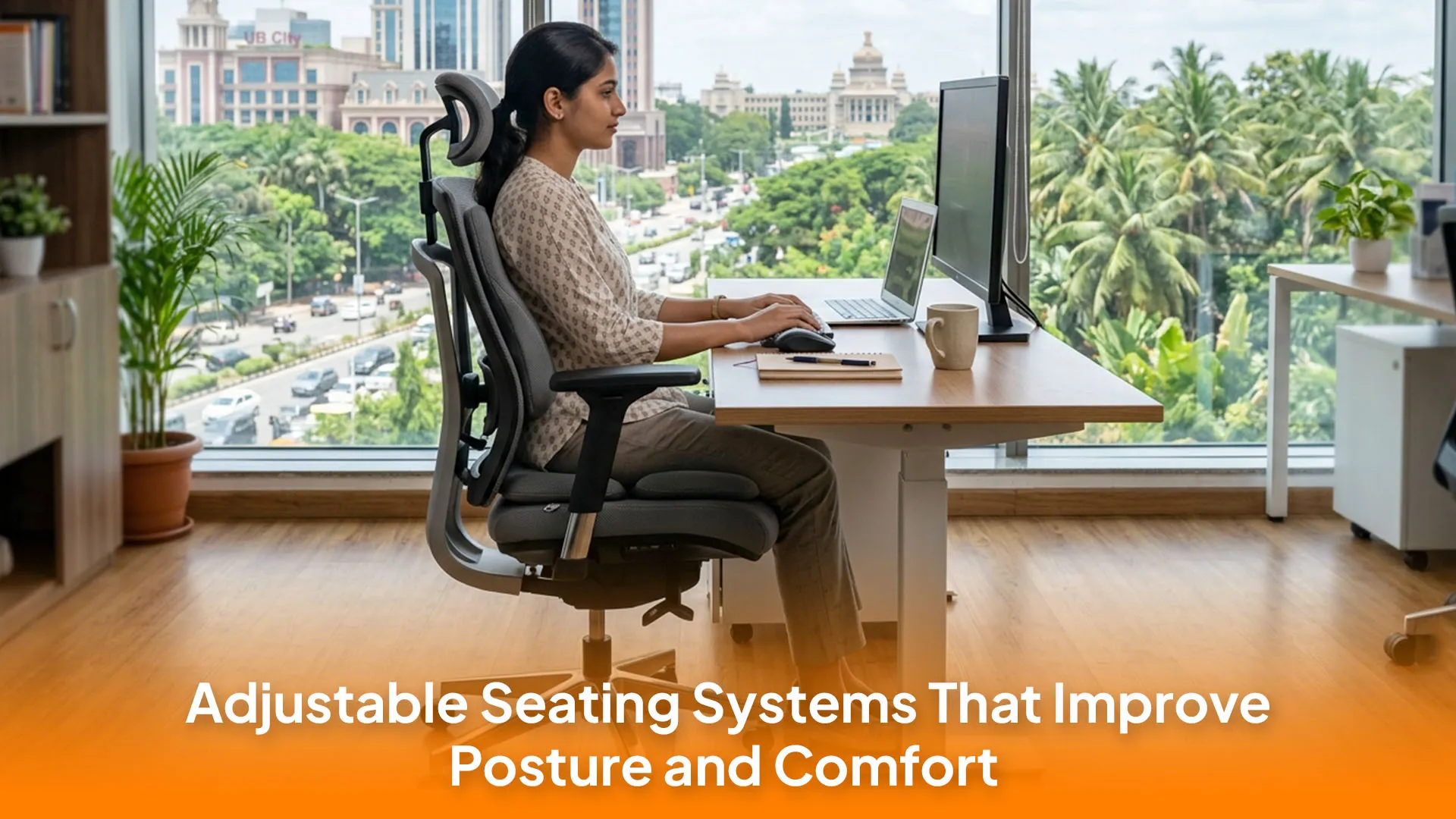
Adjustable Seating Systems That Improve Posture and Comfort
Many users do not just need movement support. They need sitting support for long hours. Seating systems help with posture, trunk stability, pelvic alignment, pressure relief, and fatigue control.
A proper seat cushion reduces pressure risks. Lateral supports improve trunk position. Headrests help users with weak neck control. Tilt and recline features support comfort during long sitting periods. These are not small upgrades. They change school time, work time, home time, and transport time.
At SCOOT, we see seating as part of function, not a side accessory. A strong seating match helps users eat better, breathe better, reach better, and stay active longer.
This is also where independence aids for daily living become more complete. Sitting well supports every task that follows.
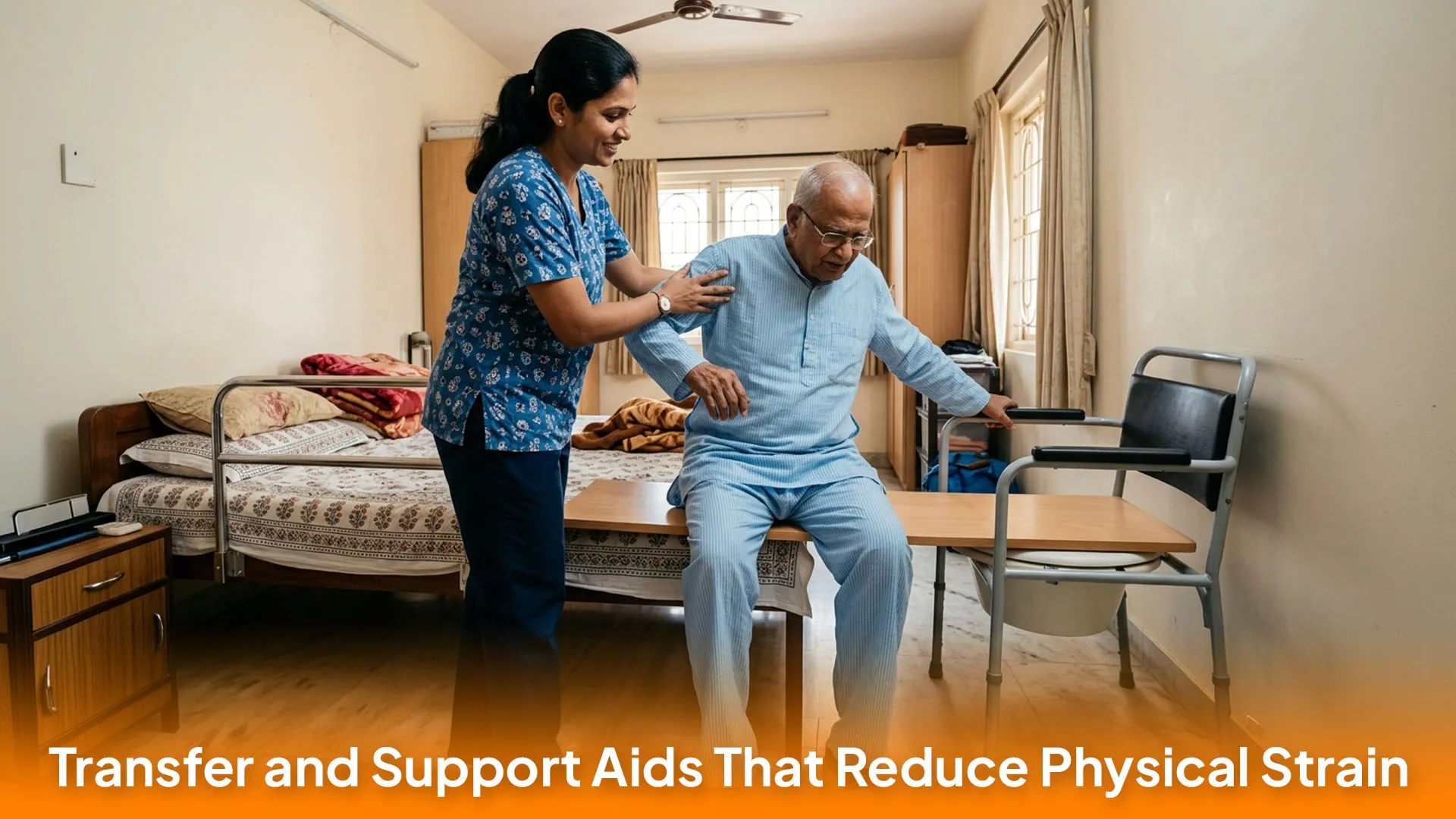
Transfer and Support Aids That Reduce Physical Strain
Transfers create some of the hardest moments in the day. Bed to chair. Chair to toilet. Wheelchair to car seat. Without support, those moments increase fall risk and caregiver strain.
Transfer boards, grab bars, support rails, patient lifters, and related mobility aids equipment reduce that load. They also make movement smoother and safer in bathrooms, bedrooms, and care spaces.
For families, these tools protect both sides of care. The user gets safer movement. The caregiver avoids back strain and rushed lifting. That balance keeps home care more stable over time.
How Scoot Mobility Supports People With Reliable Mobility Aids Equipment
SCOOT is the wheelchair and mobility division, and its role sits directly inside the mobility support space. It focuses on wheelchairs, powerchairs, seating systems, cushions, and related mobility solutions for people living with movement limits.
At SCOOT, we combine product selection with clinical thinking. That approach helps users choose what fits daily life, not just what looks suitable on paper.
What stands out about SCOOT:
- Specialist focus on wheelchair seating and mobility solutions, not general medical supply alone
- Product mix that covers manual wheelchairs, powered options, seating systems, cushions, and support accessories
- Strong focus on personal fit, functional movement, and long-term use across home, travel, and care routines
We also support users who need mobility assistance devices and other assistive mobility equipment matched to real movement needs.

Final Thoughts
The right mobility product changes more than movement. It changes how a person starts the day, moves through the home, manages outside travel, and protects energy for the things that still need their attention.
That is why selection should never start with price alone. It should start with body needs, transfer pattern, home layout, travel distance, and daily routine. When those parts align, mobility aids equipment becomes a daily support system, not a stored item in the corner.
If you want a better fit for home, travel, seating, or long-term mobility care, talk to us at SCOOT.
FAQs
What are mobility aids equipment and how do they help daily independence?
Mobility aids equipment supports walking, transfers, posture, and travel, which helps users move safer, do tasks alone, and reduce strain.
What types of rehabilitation equipment are commonly used for mobility support?
Common options include wheelchairs, walkers, rollators, crutches, canes, seating systems, transfer boards, hoists, and powered scooters for daily mobility support.
How do mobility aids improve quality of life for people with disabilities?
They lower fatigue, support safety, protect joints, improve access, and help people work, study, travel, and manage routines with ease.
Which mobility aids equipment is best for home use?
Home use depends on space, strength, transfer needs, flooring, and caregiver support, so product fit should guide selection every day.
When should someone consider using rehabilitation or mobility assistance devices?
Consider them after falls, pain, weakness, surgery, stroke, balance loss, or fatigue starts limiting safe movement at home or outside.